Hong Kong launches first regional mediation platform for medical disputes
Hong Kong has introduced the Healthcare Dispute Resolution Centre's online platform, the first regional mediation and arbitration service for medical disputes, aiming to resolve local and cross-border conflicts efficiently.
Intelligence analysis by Gemini 2.5 Flash
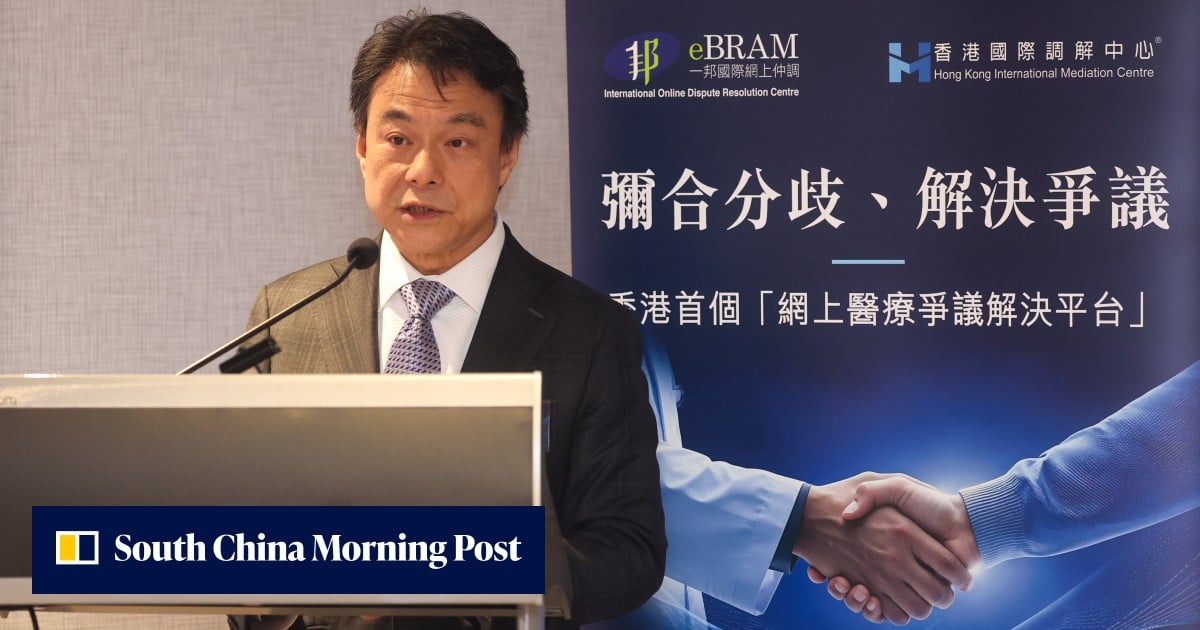
The new platform, launched by the non-profit Healthcare Dispute Resolution Centre, offers virtual and in-person mediation and arbitration for medical and healthcare disputes. This initiative positions Hong Kong as a key hub for resolving conflicts within the city and the Greater Bay Area, providing a faster, more cost-effective, and confidential alternative to traditional litigation.
Imagine if you and your doctor had a disagreement, like about a medicine or a bill. Instead of going to a big, scary court that takes forever and costs lots of money, Hong Kong has made a special friendly place online and in person. It's like a referee for doctors and patients, helping them talk it out and find a fair solution quickly and privately, especially for people getting medical help across different cities.
Analysis
Hong Kong's recent launch of the Healthcare Dispute Resolution Centre's online platform marks a strategic move to enhance its position as an international legal services hub, particularly in the specialized field of medical and healthcare disputes. This development is not merely about local conflict resolution but also about addressing the complexities arising from increased cross-border medical services, especially within the Greater Bay Area. The platform aims to provide a more efficient and less adversarial alternative to traditional court litigation, which is often characterized by high costs, lengthy proceedings, and damage to patient-provider relationships.
Healthcare Dispute Resolution Centre
The Healthcare Dispute Resolution Centre, established as a non-profit organization in 2024, is at the forefront of this initiative. Its newly unveiled online platform offers both virtual and face-to-face services, catering to a broad spectrum of medical and healthcare disputes. These conflicts can range from alleged medical errors and patient rights issues to contractual disagreements between parties involved in healthcare provision.
The centre's core mission is to facilitate the settlement of these disputes through mediation and arbitration, processes designed to be more collaborative and less confrontational than litigation. By offering these services, the centre seeks to provide a specialized forum where professional knowledge can be applied to resolve complex medical issues, ensuring that resolutions are not only fair but also informed by industry expertise.
Greater Bay Area
A significant aspect of this new platform is its explicit focus on serving the Greater Bay Area, a strategic initiative by Beijing to integrate Hong Kong, Macau, and nine cities in Guangdong province into a cohesive economic powerhouse. As cross-border movement and utilization of medical services become more frequent within this region, the potential for disputes that span different jurisdictions naturally increases. The platform is designed to become a central hub for resolving such cross-border medical and healthcare disputes.
This regional emphasis underscores Hong Kong's ambition to leverage its robust legal framework and international standing to support the broader economic integration goals of the Greater Bay Area. By providing a dedicated mechanism for dispute resolution, the platform aims to foster greater trust and facilitate smoother operations for healthcare providers and patients alike across the bay area, thereby contributing to the region's overall development and stability.
Samuel Kwok Po-yin
Samuel Kwok Po-yin, the chairman of the Healthcare Dispute Resolution Centre, articulated the rationale behind establishing this new platform. He highlighted the inherent drawbacks of traditional litigation, noting that it often consumes considerable time, incurs substantial costs, and frequently results in a 'toe-to-toe' adversarial dynamic. Kwok emphasized that such protracted legal battles not only strain the vital relationship between patients and healthcare providers but also deplete valuable public resources that could be better allocated elsewhere.
According to Kwok, mediation and arbitration offer distinct advantages over court procedures, including reduced timeframes and lower financial burdens. Furthermore, these alternative dispute resolution methods ensure that cases are handled with confidentiality, a crucial factor in sensitive medical matters. He stressed that resolutions would be based on professional knowledge, ensuring that outcomes are appropriate and well-informed, thereby promoting a more constructive and efficient approach to resolving healthcare conflicts.
Key points
- Hong Kong launched the Healthcare Dispute Resolution Centre's online platform for medical and healthcare disputes.
- It is the first regional mediation and arbitration platform dedicated to healthcare services.
- The platform offers both virtual and face-to-face services for patients and medical practitioners.
- It aims to resolve local and cross-border disputes, particularly within the Greater Bay Area.
- Mediation and arbitration are presented as faster, cheaper, and more confidential alternatives to litigation.
The new platform could significantly streamline the resolution of medical disputes, fostering better patient-provider relationships and freeing up public resources currently consumed by lengthy litigation. Its regional focus could also enhance trust and accessibility for cross-border medical services within the Greater Bay Area, promoting smoother healthcare operations.
While aiming for efficiency, the platform might face challenges in gaining widespread adoption or trust from all parties, potentially limiting its effectiveness if many still opt for traditional litigation. Ensuring consistent standards and enforcement across different jurisdictions within the Greater Bay Area could also prove complex.