Hong Kong public rental housing wait edges up to 4.8 years, urban allocations rise
Hong Kong's composite wait for subsidized public rental housing rose to 4.8 years, even as the standard-home wait slipped to 5.5 years.
Intelligence analysis by GPT-5.4 Mini
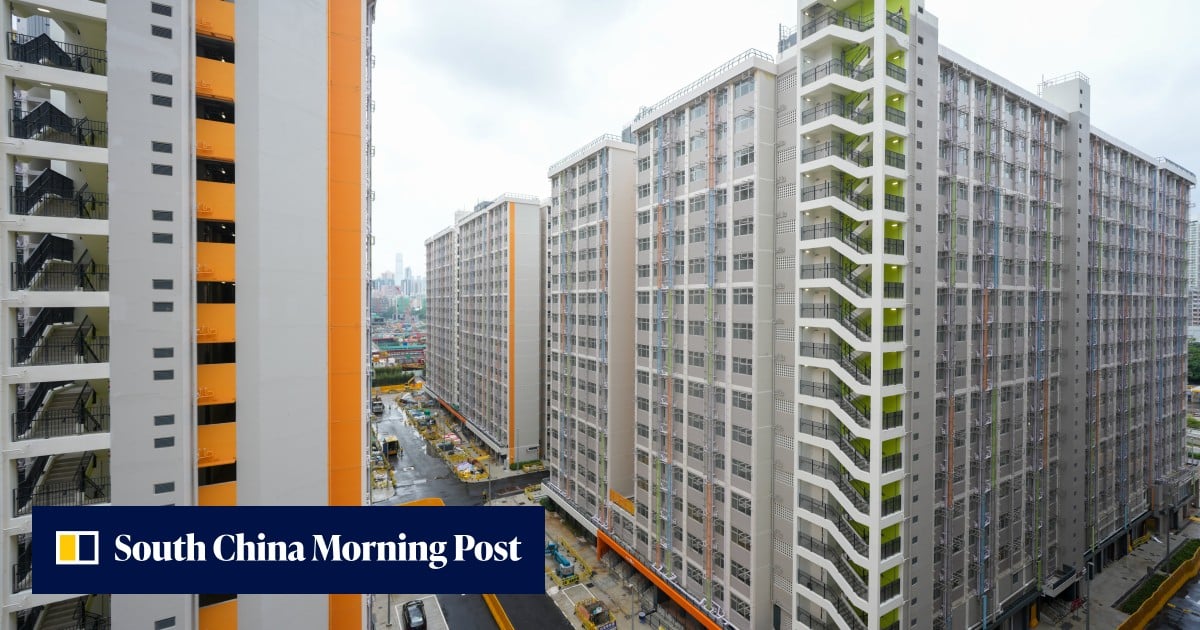
The latest housing data points in two directions at once: a slightly longer composite wait, but a small improvement for standard public rental homes and more urban allocations. Officials say the shift shows backlog pressure is being worked through.
Hong Kong has a very long line for public housing, like waiting for a seat on a packed bus. The wait got a little longer in one way, but a little shorter in another, and more homes in the city went to people who had already waited a long time.
Analysis
4.8 years
The headline composite wait time is easy to read as a setback, but it is really a blended measure that includes temporary flats under the light public housing initiative. That makes it a useful political number, but not a clean measure of the standard public rental system on its own.
The bureau's framing matters because it tries to separate the short-term fluctuation from the longer trend. By emphasizing that the standard-home wait has improved, officials are arguing that the system is not drifting backward so much as rebalancing across different housing streams.
5.5 years
The drop to 5.5 years for general applicants in standard public rental housing is modest, but in a market like Hong Kong's, small shifts still carry weight. The bureau is treating that 0.1-year improvement as evidence that longer-waiting applicants are finally being reached.
The key policy implication is that allocation patterns can matter as much as raw supply. If urban applicants who have waited the longest are getting housed more often, the government may be trying to reduce the most visible pressure points rather than simply move every queue at the same speed.
100,500 applications
The waiting list remains huge, with 100,500 general applications still pending for standard public rental homes at the end of June. That number is the clearest reminder that even incremental improvements do not erase the underlying backlog.
The bureau's own language suggests it sees the current trend as the start of a longer correction, not a finished solution. That is plausible, but it also means future progress will depend on whether new allocations keep outpacing fresh demand and whether the urban shortage can be eased without creating bottlenecks elsewhere.
Key points
- Hong Kong's composite public rental housing wait rose to 4.8 years at the end of June.
- The average wait for standard public rental homes fell to 5.5 years from the previous quarter.
- Single elderly applicants continued to face a 3.9-year average wait.
- About 3,200 general applicants were housed in standard public rental homes in the second quarter.
- More urban homes were allocated, which officials described as a sign of backlog reduction.
If the current allocation pattern continues, the longest-waiting households could start seeing faster relief, especially in urban areas. The bureau also says the longer-term trend is moving in a positive direction, which would matter if the backlog keeps shrinking.
The backlog is still very large, so a small improvement could easily be swallowed by continued demand. If the composite number keeps rising while the standard wait barely moves, public confidence in the pace of housing relief could weaken.