Why is Hong Kong's heat-stress warning system for outdoor workers in the hot seat?
Hong Kong's heat-stress warning system for outdoor workers is under scrutiny as extreme heat pushes temperatures to record levels.
Intelligence analysis by GPT-5.4 Mini
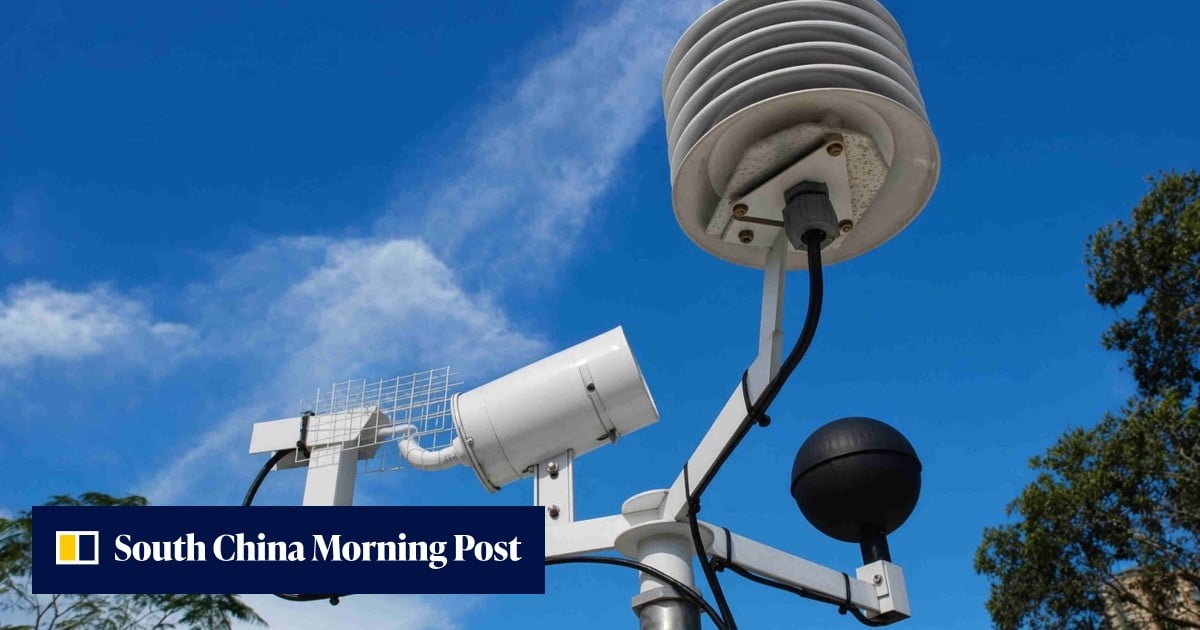
The Labour Department's warning signals are meant to protect outdoor manual workers and people in poorly ventilated indoor jobs, but a run of very hot weather has revived questions over whether the system is enough.
Hong Kong's heat alarm is like a school bell warning kids to head inside, but some people think it may not ring loudly or early enough when the sun gets extreme. That matters because workers outside can get sick from the heat.
Analysis
Tsim Sha Tsui
Hong Kong's heat-stress warning debate is being driven by a simple fact: the city is getting hotter for longer, and the weather is now testing the limits of existing protections. The article says July rainfall ran 23 per cent above the monthly norm, then August brought hot spells linked to Tropical Cyclone Dolphin's influence.
That combination matters because heat risk is not only about a single hot afternoon. When high temperatures arrive alongside humidity, rain, and persistent warm nights, the body has fewer chances to recover, which makes outdoor work more dangerous even before a formal warning is issued.
36.9 Degrees
The article highlights a reading of 36.9 degrees at the Hong Kong Observatory's headquarters in Tsim Sha Tsui, the highest since records began in 1884. That number turns the warning debate from a procedural question into a public-health one, because record heat changes the scale of the problem.
The Labour Department's system is designed to alert outdoor manual workers, including construction workers and street cleaners, as well as people working indoors with limited ventilation. The criticism implied by the story is that a warning is only useful if it arrives early enough and carries enough force to change behavior on the ground.
A system built for ordinary summer discomfort may look less convincing when temperatures keep setting new highs. In that sense, the article is less about one alarm and more about whether Hong Kong's work rules are keeping pace with a climate that is now producing more frequent extremes.
Tropical Cyclone Dolphin
The mention of Tropical Cyclone Dolphin shows how weather patterns can amplify heat even without a direct storm impact. The article suggests the city's August hot spells were linked to the cyclone's influence, which is a reminder that dangerous heat can come from larger atmospheric shifts rather than just clear-sky sunshine.
That makes the policy challenge harder. If hotter days and hot nights are becoming more common, then warning systems may need to do more than describe conditions; they may need to trigger stronger protections for breaks, scheduling, and exposure limits.
The green group warning cited in the article points in the same direction, arguing that scorching days and hot nights in the months ahead could raise the risk of heatstroke and other health problems. The underlying question is whether Hong Kong wants to treat heat stress as an occasional inconvenience or as a recurring workplace hazard that needs a sturdier response.
Key points
- Hong Kong is experiencing extreme heat, including nine straight days of at least 33 degrees Celsius.
- The Labour Department's heat-stress warnings are intended to protect outdoor manual workers and some indoor workers.
- A reading of 36.9 degrees in Tsim Sha Tsui was the highest recorded there since 1884.
- The article says weather linked to Tropical Cyclone Dolphin helped drive August's hot spells.
- Critics are questioning whether the current warning system is strong enough for the new heat conditions.
If the warning system proves effective, it could help workers and employers act sooner on dangerous heat days. That would make it easier to prevent heatstroke and other health problems the article warns about.
If the signals are seen as too weak, outdoor workers may still face unsafe conditions during long hot spells. The article suggests the risk could grow as scorching days and hot nights become more common.