Hong Kong rules out favouring existing ride-hailing platform drivers for permits
Hong Kong will not give ride-hailing permit preference to current platform drivers, citing enforcement concerns. The transport chief also gave no timetable to revisit the 10,000 cap.
Intelligence analysis by GPT-5.4 Mini
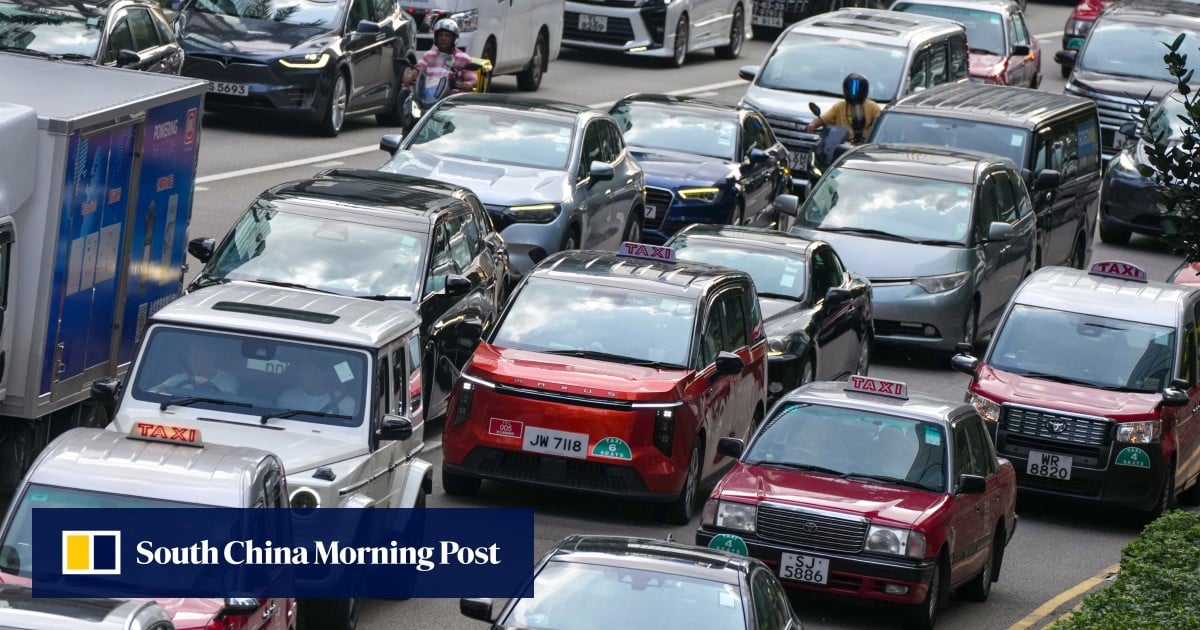
Hong Kong authorities say they will not prioritize current ride-hailing drivers when issuing vehicle permits. The transport minister also declined to say when the government might review the 10,000-permit cap.
Hong Kong is deciding who gets special papers to drive paying passengers. The government says it will not give extra help to drivers already doing this without permission, because that could be like rewarding people for cutting in line.
Analysis
What the government said
Hong Kong’s transport minister, Mable Chan, said the government will not favor existing ride-hailing platform drivers when allocating vehicle permits. Her reasoning was that giving them preference could encourage illegal activity and would be difficult to enforce fairly, since authorities cannot reliably tell whether a driver has already been offering ride-hailing services.
The issue came up at a Legislative Council subcommittee meeting, where lawmakers pressed the government for more clarity on both the permit system and the controversial cap of 10,000 permits. Chan did not say whether officials have set a timetable to review that cap, even as legislators asked for one.
Why the dispute matters
In Hong Kong, private car drivers are not allowed to take paying passengers without a hire-car permit. At the same time, ride-hailing platforms such as Uber, Tada, Amap and Didi Chuxing are operating in a regulatory vacuum, which has left the city with active services but an unclear legal framework.
One lawmaker, Mark Chong Ho-fung, suggested allocating permits by lot rather than giving any advantage to existing ride-hailing drivers. His argument was that preferential treatment would effectively reward people already breaking the law and could draw more drivers into the same behavior.
Chan’s comments suggest the government wants a neutral allocation approach rather than one tied to current platform activity. But the article also shows the bigger policy question remains unresolved: how fast Hong Kong will expand permits, and whether the current cap will be changed at all.
Key points
- Hong Kong will not favor existing ride-hailing drivers when issuing permits.
- The transport minister said that would be hard to enforce fairly and could encourage illegal activity.
- Lawmakers asked for a timetable to review the 10,000-permit cap, but none was given.
- Ride-hailing services continue to operate in a regulatory vacuum in Hong Kong.
- One lawmaker proposed allocating permits by lottery instead of preference.
A neutral permit process could make the system feel fairer and easier to enforce. If the government later reviews the cap, it could create a clearer legal path for ride-hailing without rewarding illegal activity.
No timetable for reviewing the cap leaves the market in uncertainty. If the rules stay unclear for too long, drivers and platforms may keep operating in a gray area while lawmakers and regulators remain stuck in dispute.