Hong Kong saves HK$69 million in first month after HK$2 fare scheme revamp
Hong Kong says changes to its HK$2 fare scheme saved HK$69 million in April. Officials say fewer seniors and disabled riders took long trips for short journeys.
Intelligence analysis by GPT-5.4 Mini
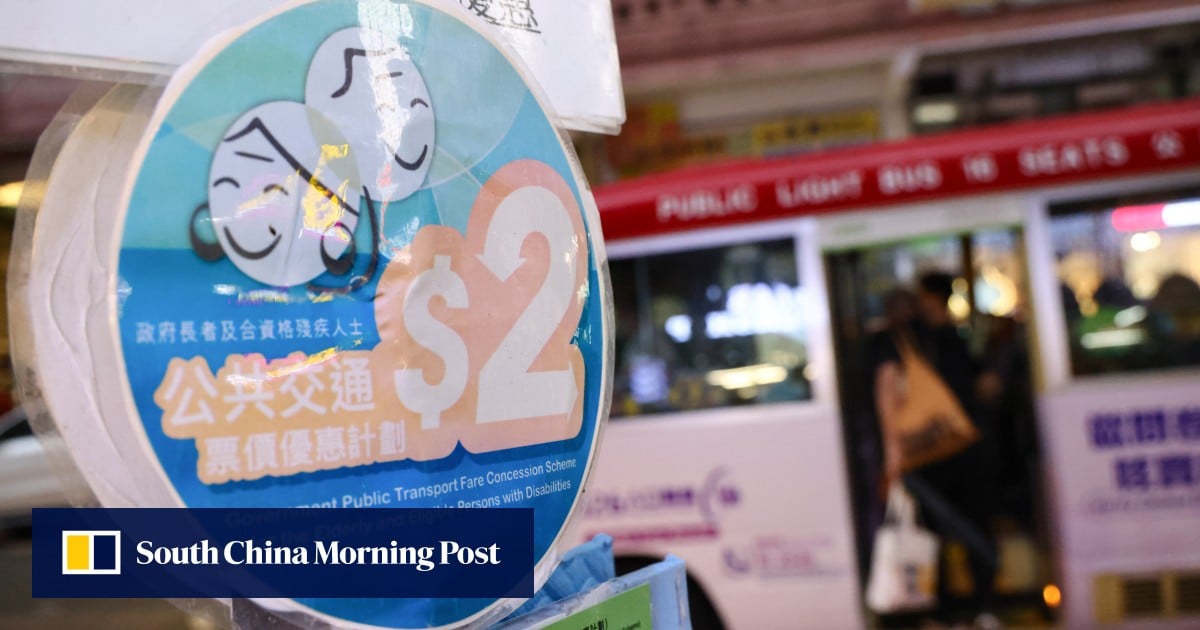
Hong Kong’s revised public transport subsidy scheme cut government spending by HK$69 million in its first month, according to the welfare minister. Officials say the tighter rules are reducing unnecessary long-distance trips, while one planned trip cap has been dropped.
Hong Kong changed a bus and train discount rule, and the city says that saved money because fewer people took long rides for tiny trips. It is like using a coupon only when it really helps, not for every snack at the corner shop.
Analysis
What changed
Hong Kong’s revamped public transport subsidy scheme took effect on April 3. Under the new model, eligible passengers still pay HK$2 for trips with an adult fare of HK$10 or less, but they now pay 20 per cent of fares above that threshold instead of a broader subsidy.
Labour and Welfare Secretary Chris Sun Yuk-han said the revision saved the government HK$69 million in the first month. He said the average subsidy for trips costing more than HK$10 fell from HK$4.90 in March to HK$4.50 per journey in April, and argued that the lower subsidy shows fewer people are taking long-distance rides for short journeys.
The government says the revamp is designed to discourage the use of pricier long-haul routes when shorter trips would do, and that the full package is expected to save about HK$550 million a year.
What was dropped
Sun also said authorities will not implement the final part of the overhaul: a proposed cap of 240 subsidised trips per month. He said some people with disabilities need to travel more often, and that the estimated HK$30 million required for system updates and testing would outweigh annual public savings of only several hundred thousand Hong Kong dollars.
The decision suggests the administration is still trying to balance cost control with access for passengers who rely on the scheme most heavily. The policy has already been partially tightened, but the monthly cap has been judged too expensive and too blunt to be worth adding.
Key points
- Hong Kong says the revised fare subsidy scheme saved HK$69 million in its first month.
- The average subsidy for trips above HK$10 fell from HK$4.90 in March to HK$4.50 in April.
- Officials say fewer people are using expensive long-haul routes for short trips.
- The full revamp is expected to save about HK$550 million a year.
- A proposed cap of 240 subsidised trips per month has been dropped after cost and access concerns.
If the new rules keep working as intended, Hong Kong could continue saving public money without cutting the core subsidy for shorter trips. The dropped monthly cap also suggests the government may still protect passengers who genuinely need to travel often.
The savings could depend on riders changing their behavior in a way that is hard to sustain. If the tighter rules make travel harder for some seniors or disabled passengers, the scheme could face pressure to soften again.