Hong Kong tests thermal drones to catch illegal smoking at construction sites
Hong Kong's Labour Department is testing infrared thermal-imaging drones to detect illegal smoking at construction sites, with plans to integrate AI for worker identification.
Intelligence analysis by Gemini 2.5 Flash
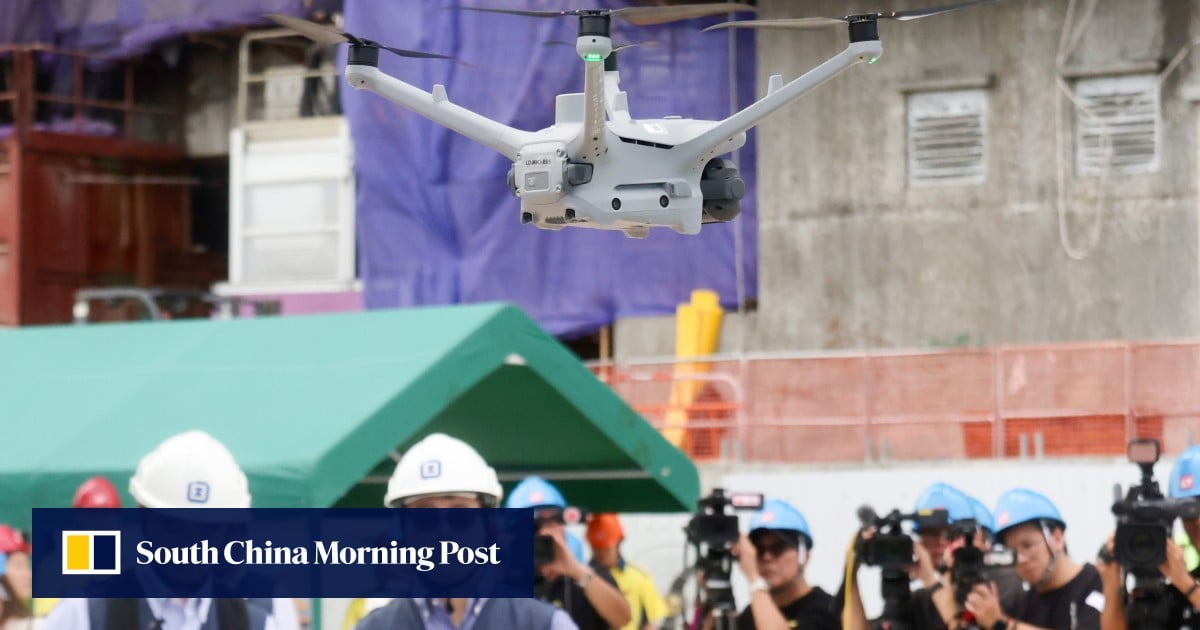
Following a total smoking ban at construction sites, Hong Kong authorities are deploying advanced drones equipped with thermal cameras to identify heat sources, specifically targeting illegal smokers. This initiative aims to bolster enforcement efforts, which have proven challenging despite numerous inspections and penalty notices issued since the ban's implementation.
Imagine a superhero drone that can see heat, even through walls! In Hong Kong, grown-ups are using these special drones at big building sites. If someone lights up a cigarette where they shouldn't, the drone's heat vision spots the warm smoke, and then a camera zooms in to catch them. It's like a high-tech game of 'I Spy' to keep everyone safe and healthy.
Analysis
Leveraging Technology for Regulatory Compliance
Hong Kong's Labour Department is pioneering the use of infrared thermal-imaging drones to enforce a recent smoking ban at construction sites. This technological deployment represents a significant shift from traditional inspection methods, allowing safety officers to detect heat sources from a distance. The drones stream real-time footage, marking potential hotspots with red dots, which can then be investigated further using optical cameras to confirm fire safety compliance or identify individuals smoking illegally. This approach aims to overcome the inherent difficulties of monitoring large, complex construction environments manually.
The initiative also includes plans to integrate artificial intelligence (AI) into the drone system. This future enhancement is intended to automate the identification of smoking workers, potentially increasing the efficiency and accuracy of enforcement. The combination of thermal imaging and AI signifies a sophisticated strategy to ensure adherence to regulations, moving towards a more data-driven and less labor-intensive method of oversight. This could set a precedent for how other regulatory bodies in Hong Kong and beyond approach compliance in challenging settings.
Addressing Persistent Enforcement Challenges
The introduction of these thermal drones comes in response to what Assistant Commissioner for Labour Wan Chi-ping described as a "not ideal" level of illegal smoking, despite a total ban taking effect on July 17. Since the ban, approximately 1,400 construction sites have been inspected, resulting in 39 fixed-penalty notices and 11 improvement notices issued to contractors. Two cases are currently under review for potential prosecution, underscoring the ongoing struggle with compliance. The Labour Department acknowledges that enforcement has been "not easy" during the early stages of the ban's roll-out.
The deployment of drones is a direct effort to strengthen enforcement capabilities where human patrols might be less effective or face greater risks. By providing a bird's-eye view and thermal detection, the drones offer a discreet and comprehensive surveillance method that can cover vast areas quickly. This proactive measure reflects the authorities' commitment to ensuring a safer and healthier working environment on construction sites, mitigating fire risks, and promoting public health by reducing exposure to second-hand smoke.
Broader Implications for Urban Management
The successful implementation of thermal drones for smoking enforcement in Hong Kong could have broader implications for urban management and regulatory oversight. The technology's ability to precisely spot different heat sources could be adapted for various other applications, such as detecting unauthorized cooking, monitoring energy waste, or even identifying early signs of electrical fires in densely packed urban areas. This demonstrates a potential for multi-purpose use of advanced drone technology in smart city initiatives.
Furthermore, the integration of AI for automated identification suggests a future where regulatory compliance is increasingly managed through intelligent systems. While initially focused on construction sites, this model could be extended to other public spaces or industrial zones where specific activities are prohibited or require monitoring. The initiative highlights Hong Kong's embrace of technological solutions to enhance governance and public safety, potentially influencing how other global cities tackle similar challenges in maintaining order and enforcing regulations in complex urban landscapes.
Key points
- Hong Kong's Labour Department is testing infrared thermal-imaging drones to detect illegal smoking at construction sites.
- The drones identify heat sources from a distance, with plans to integrate AI for automated identification of smoking workers.
- The initiative aims to strengthen enforcement of a total smoking ban that took effect on July 17.
- Since the ban, 1,400 sites have been inspected, resulting in 39 fixed-penalty notices and 11 improvement notices.
- Authorities acknowledge that current illegal smoking levels are "not ideal" and enforcement has been challenging.
The deployment of thermal drones could significantly improve compliance with smoking bans, leading to safer construction sites and better public health outcomes. This innovative use of technology may also pave the way for more efficient and effective enforcement of other regulations across Hong Kong.
While promising, the high cost and complexity of operating such advanced drone systems might limit their widespread adoption. There could also be privacy concerns regarding surveillance, and determined individuals might find ways to evade detection, reducing the overall effectiveness of the initiative.