Hong Kong’s first 5-year plan to tackle economic gaps, boost quality jobs: Paul Chan
Hong Kong’s first five-year plan will target economic gaps, AI-driven jobs and the Northern Metropolis, Paul Chan said.
Intelligence analysis by GPT-5.4 Mini
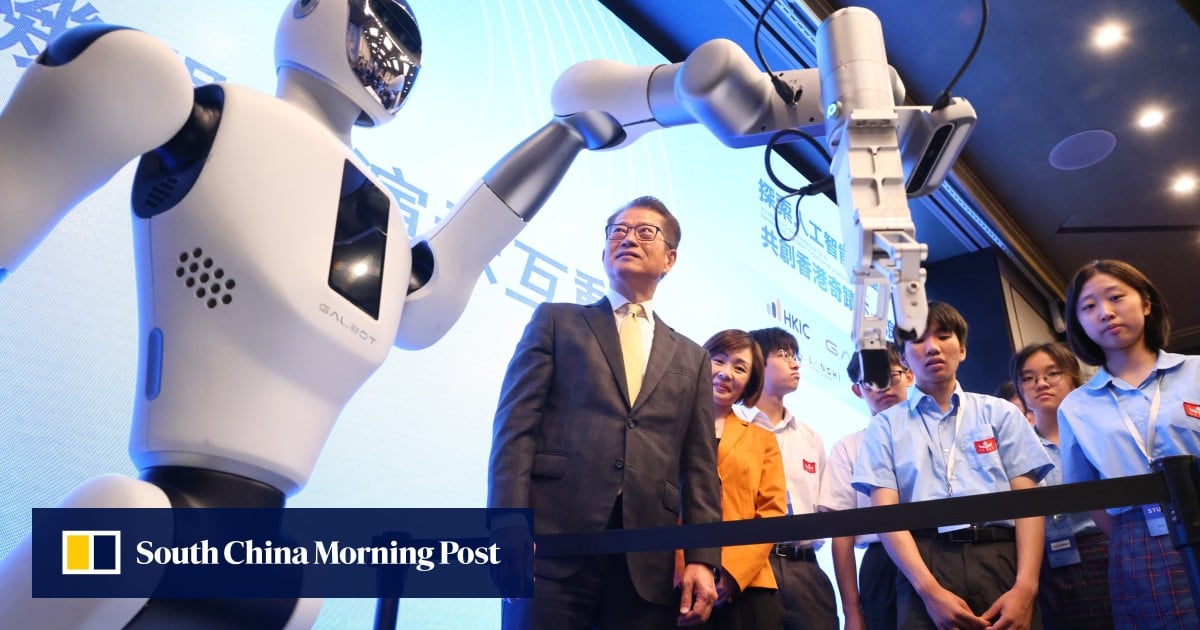
Paul Chan says Hong Kong’s first five-year plan will focus on upgrading the economy, widening social benefits and creating better jobs. The blueprint is meant to align the city with China’s 15th five-year plan and will go through public consultation before finalization.
Hong Kong is drawing up its first big five-year roadmap, like a family making a plan for the next few years. It wants better jobs, smarter use of new tech like AI, and a huge new area called Northern Metropolis to help new businesses grow.
Analysis
What the plan is meant to do
Hong Kong’s first five-year plan is being pitched as more than a policy checklist. In his weekly blog, Financial Secretary Paul Chan said the blueprint will spell out concrete ways to address the city’s weaknesses, enlarge the social and economic benefits of growth, and support the creation of “quality employment opportunities.”
Economy first, with AI and jobs
Chan said the central task is the upgrading and transformation of the economy. He linked that directly to artificial intelligence, saying the plan should show how technology can help create better jobs rather than just boost efficiency. The framing suggests the government wants to present AI as part of a broader economic upgrade, not as a narrow tech initiative.
Northern Metropolis stays central
Chan also reaffirmed support for the Northern Metropolis megaproject, describing it as a “spatial carrier” for emerging and future industries. That language points to a long-term land and development strategy meant to house new sectors and help reorganize the city’s economic geography.
Consultation and alignment with Beijing
Chief Executive John Lee is leading the effort, and the blueprint is expected to be finalized by the end of 2026. Public consultation begins on Monday and will run for two months, with multiple sessions planned for lawmakers and industry representatives.
The plan is also designed to align Hong Kong’s development with China’s 15th five-year plan, which casts the city as a hub for finance, shipping, trade, innovation and technology, offshore yuan business and global talent. That makes the document both a local growth plan and a statement of how Hong Kong fits into national strategy.
Key points
- Hong Kong’s first five-year plan is aimed at closing economic gaps and improving the quality of jobs.
- Paul Chan said the plan should support economic upgrading and the use of AI.
- The government will keep pushing the Northern Metropolis megaproject as a base for emerging industries.
- Public consultation starts Monday and will run for two months.
- The blueprint is expected to be finalized by the end of 2026 and aligned with China’s 15th five-year plan.
If the consultation works well, the plan could give Hong Kong a clearer growth path and help direct land, talent and investment toward new industries. If AI and Northern Metropolis planning translate into real projects, the city could generate more higher-quality jobs and broader economic benefits.
The plan could end up being too broad if the consultation does not produce concrete, workable steps. Northern Metropolis and other big projects may also take a long time to deliver, which could delay the promised job gains and make the economic upgrade feel abstract.