House prices slide across Australia as Middle East conflict and tax changes begin to bite
House prices have fallen in Brisbane, Adelaide and Perth as the market downturn spreads across Australia. The median home price has fallen about $19,000 below its March peak.
Intelligence analysis by Llama
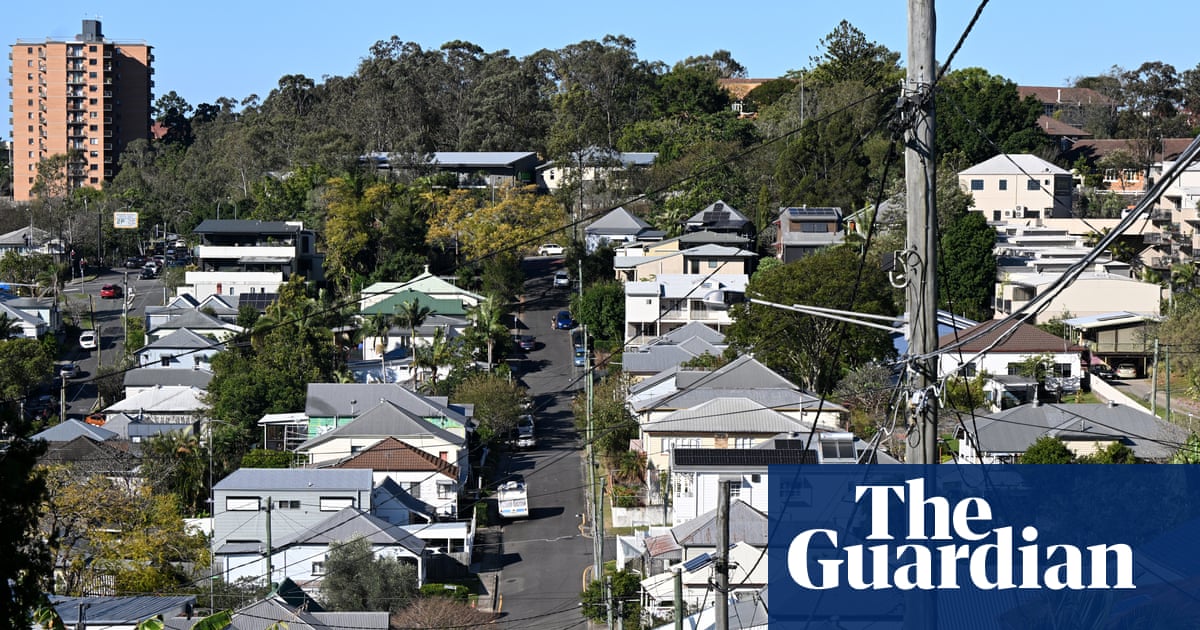
House prices have fallen in several Australian cities as the market downturn spreads. The median home price has fallen about $19,000 below its March peak, with Brisbane's median price falling by $8,000 since May.
Imagine you're trying to buy a house, but the price keeps going up and up. Then, suddenly, the price starts going down. This is what's happening in Australia right now. The price of houses is falling because of a combination of factors, including a conflict in the Middle East and changes to tax laws. It's like a big storm that's affecting the housing market.
Analysis
A Perfect Storm of Factors Contributes to the Decline in House Prices
The recent decline in house prices across Australia can be attributed to a combination of factors. Firstly, the ongoing conflict in the Middle East has led to increased uncertainty and volatility in the global economy, which has had a ripple effect on the Australian housing market. Secondly, the Reserve Bank of Australia's decision to hike interest rates has made borrowing more expensive, leading to a decrease in demand for housing. Finally, the federal budget's trimming of property investors' tax concessions has also contributed to the decline in house prices.
The Impact of Global Events on the Australian Economy
The Middle East conflict has had a significant impact on the Australian economy, particularly in the housing market. The conflict has led to increased uncertainty and volatility in the global economy, which has had a ripple effect on the Australian housing market. This has resulted in a decline in house prices, particularly in cities such as Brisbane, Adelaide, and Perth.
The Role of the Reserve Bank of Australia
The Reserve Bank of Australia's decision to hike interest rates has also contributed to the decline in house prices. By making borrowing more expensive, the Reserve Bank has reduced demand for housing, leading to a decrease in house prices. This decision has been made to control inflation and maintain economic stability, but it has had unintended consequences on the housing market.
Key points
- House prices have fallen in Brisbane, Adelaide, and Perth.
- The median home price has fallen about $19,000 below its March peak.
- The decline in house prices is attributed to a combination of factors, including the Middle East conflict and changes to tax laws.
- The Reserve Bank of Australia's decision to hike interest rates has also contributed to the decline in house prices.
If the conflict in the Middle East dies down and interest rates remain stable, house prices may start to rise again. Additionally, if the government introduces policies to stimulate the housing market, such as tax incentives for first-home buyers, it could also lead to an increase in house prices.
If the conflict in the Middle East continues to escalate and interest rates remain high, house prices may continue to fall. Additionally, if the government fails to introduce policies to stimulate the housing market, it could lead to a prolonged decline in house prices.
Market signals
- XAU Escalation drives safe-haven demand for gold, per the article's framing of investor reaction.
AI-generated analysis of potential market relevance. Not financial advice.