How Beijing could use its military and trade to hit back at Tokyo-Manila ties
Chinese experts say Beijing could answer Japan-Philippines defense cooperation with military moves, electronic warfare and trade sanctions.
Intelligence analysis by GPT-5.4 Mini
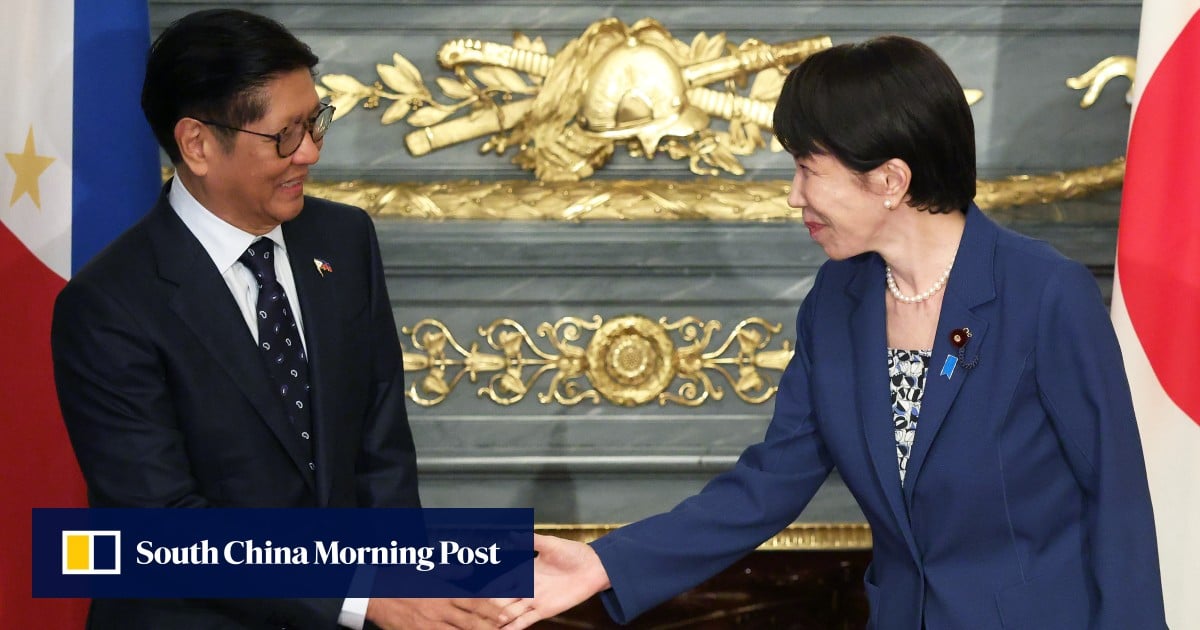
The article says Tokyo and Manila are deepening defense ties around Taiwan, including maritime talks and intelligence sharing. Chinese analysts frame that as a threat and urge Beijing to respond with tougher military and economic tools.
Two countries, Japan and the Philippines, are getting closer on defense. Chinese experts say that could box China in like closing the doors around a room, so they want Beijing to answer with stronger military moves and trade pressure.
Analysis
What Beijing is reacting to
Manila and Tokyo have launched talks on the maritime boundary of their exclusive economic zones and continental shelves around Taiwan. Beijing called that move “completely illegal and invalid,” and Chinese analysts portray the growing Japan-Philippines relationship as a direct challenge to China’s interests.
How Chinese experts say Beijing could respond
A report from the Beijing Lande Information Technology think tank argues that Japan and the Philippines have formed a “quasi-military alliance.” In that view, the pair could help block the Chinese navy’s access to and from the western Pacific. The report says Japan is moving into a “planner” role in the US Indo-Pacific strategy by aligning more closely with the Philippines.
The suggested counters are broad: military operations, stronger electronic warfare capabilities, and trade sanctions. The article does not say Beijing has decided on any of these measures; it reports what Chinese experts are urging as possible responses.
The wider regional signal
The piece places the Japan-Philippines cooperation inside a larger US-backed security architecture in the Indo-Pacific. It also notes that Tokyo and Manila agreed to start talks on an intelligence-sharing agreement and to advance the transfer of Abukuma-class destroyers to the Philippines. That combination of maritime, intelligence, and hardware cooperation is what Chinese analysts seem to find most threatening, especially in a Taiwan contingency.
Overall, the story is less about a single policy announcement than about the sharpening language around regional blocs. Beijing is being warned, by its own analysts, that it may need both military and economic tools if it wants to push back against the Tokyo-Manila relationship.
Key points
- Manila and Tokyo began maritime boundary talks around Taiwan, which Beijing condemned as illegal.
- A Chinese think tank described Japan and the Philippines as a 'quasi-military alliance.'
- The report says Japan is taking a bigger role in the US Indo-Pacific strategy by aligning with the Philippines.
- Chinese experts urged military operations, stronger electronic warfare, and trade sanctions as possible responses.
- Tokyo and Manila are also pursuing intelligence-sharing and a destroyer transfer deal.
If Beijing’s warnings and countermeasures stay limited, the message could still deter Japan and the Philippines from making the relationship more provocative. That might leave room for the maritime talks and intelligence-sharing plans to develop without turning into a broader crisis.
If China moves from warning to sanctions or military pressure, the dispute could harden the Tokyo-Manila partnership instead of slowing it down. That would add more tension around Taiwan and make the western Pacific security environment more confrontational.