How China imperial exam leaves historical footprint and impact on gaokao, modern education
SCMP traces gaokao back to the keju, the imperial exam system that opened office-holding beyond birth and shaped modern education.
Intelligence analysis by GPT-5.4 Mini
The piece frames gaokao as the modern heir to a long Chinese tradition of sorting talent through exams. It says the keju began in the Sui dynasty, was refined under Tang, and left a footprint on education in China and elsewhere.
China’s big college test is like a modern version of an old gatekeeper system. Long ago, people took hard exams to get government jobs, and that habit of using tests to pick winners still shapes school life today.
Analysis
Historical roots
The article says China’s national college entrance exam, the gaokao, is often linked to the keju, the imperial civil service examination system that lasted for more than 1,300 years. In this older system, men who were not part of hereditary elites could compete for government posts through exams.
Chinese scholars generally place the origin of the keju in the Sui dynasty, when officials began choosing candidates through subject-based tests rather than relying only on birth or recommendation. Under the Tang dynasty, the system became more structured and allowed educated men to register for exams on their own.
What the exams looked like
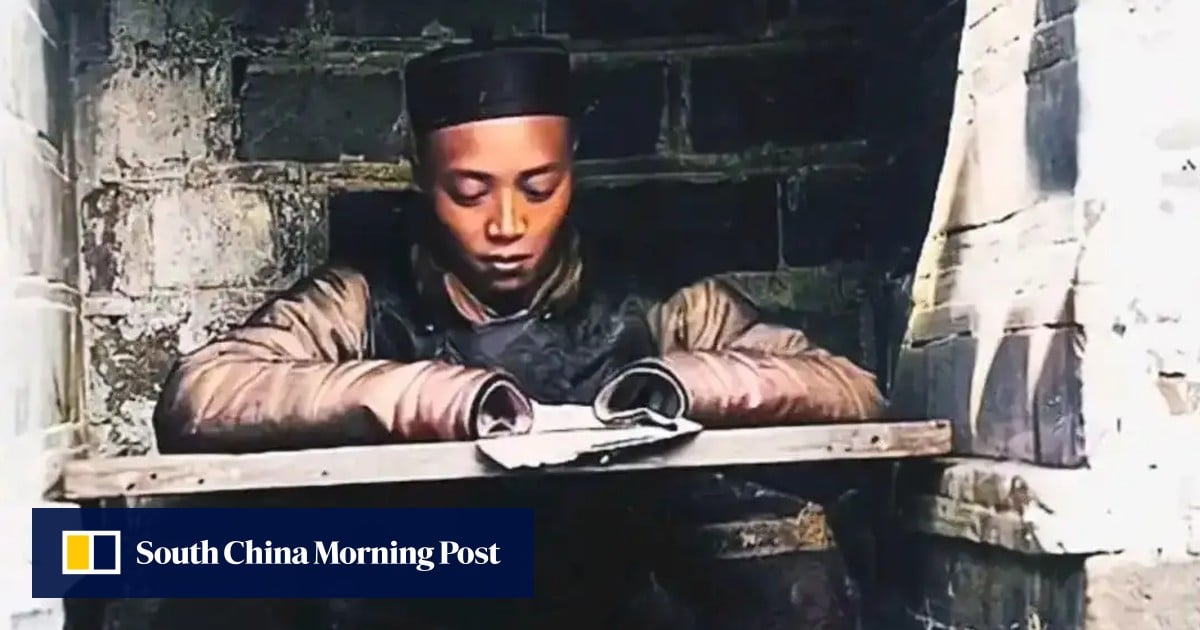
The article describes imperial exams as annual tests that focused on practical policy questions and classic literature. It also notes the harsher side of the system: candidates could be housed in cells, and cheating could bring severe punishments such as exile or flogging.
Why the link to gaokao matters
The article’s main point is that gaokao is not just a modern school test. It sits inside a much longer Chinese tradition of using exams to determine status, access, and mobility. That is why the exam still carries such symbolic force each June, when millions of students take it as a path to university and, for many, a better future.
The piece also says this exam culture did not stay confined to China. The keju influenced education systems elsewhere, suggesting that the logic of standardized testing has had a wider global footprint than many readers may realize.
Key points
- Gaokao is presented as a modern heir to the imperial keju exam system.
- Chinese scholars trace the keju’s origins to the Sui dynasty and its refinement to the Tang dynasty.
- The imperial exams let educated men outside hereditary elites compete for office.
- The article notes that imperial exams could be harsh, with severe penalties for cheats.
- SCMP says the system influenced education beyond China, not just the country’s own schools.
If the historical link helps people understand gaokao better, it could make the exam feel less like a mystery and more like part of a long civic tradition. That context may also help explain why testing remains central to how China thinks about merit and opportunity.
The same history can also underline how intense and unforgiving exam culture has been for centuries. The article’s mention of punishments and strict control suggests a legacy where high-stakes testing can put heavy pressure on students.