How everyday cooking oil is helping Japan fight an aviation fuel crisis
Japan is collecting used cooking oil from homes and stores to make sustainable jet fuel as energy costs rise and supplies tighten.
Intelligence analysis by GPT-5.4 Mini
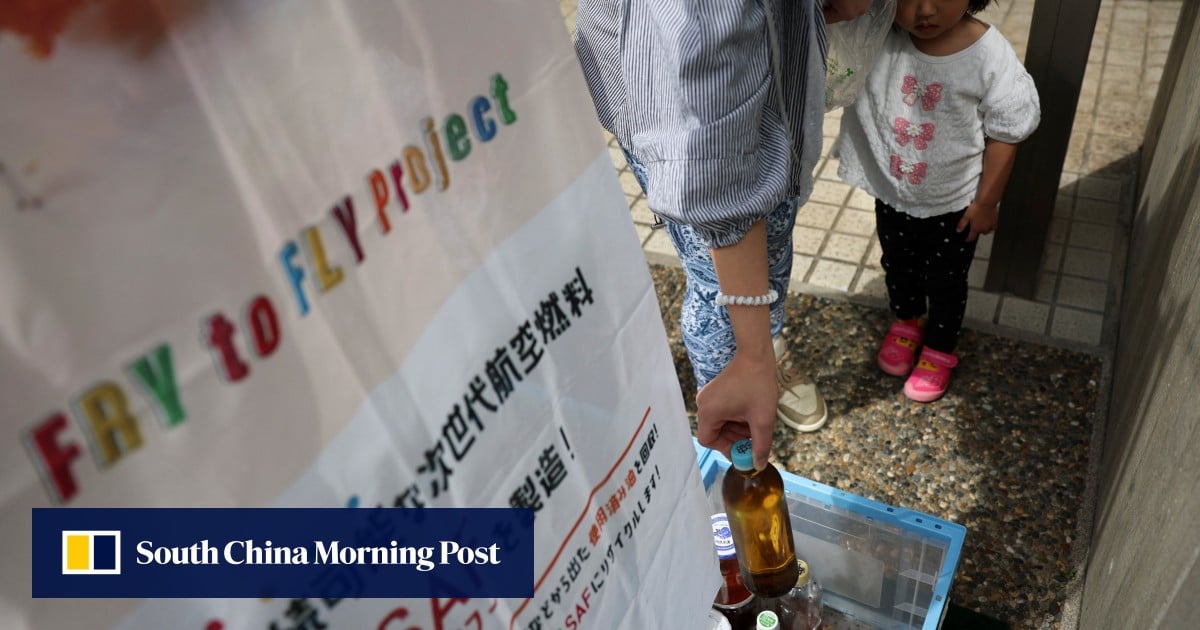
A public-private project called “Fry to Fly” is turning household waste oil into a possible source of sustainable aviation fuel for Japan. The effort reflects both a climate push and a supply-chain fix for a country that wants 10% of airline fuel to come from sustainable sources by 2030.
Japan is trying to make airplane fuel from old cooking oil, like turning greasy leftovers into something useful. People pour used oil into collection bins, and the country hopes that many small bottles can help fill a big fuel tank.
Analysis
What Japan is trying to do
Japan is pushing a public-private campaign called “Fry to Fly” to collect used cooking oil and turn it into sustainable aviation fuel, or SAF. The Reuters report says the country wants airlines to source one-tenth of their fuel from sustainable sources by 2030.
Why used oil matters
Used cooking oil is described as a relatively cheap feedstock for SAF, which makes it attractive for a country that lacks easy domestic energy resources. The article says a Tokyo homemaker, Maki Watanabe, donates about 40 litres a year, and her oil is pooled at a nearby supermarket that participates in the project.
The scale problem
The article says Japan estimates it will need about 1.7 million kilolitres of SAF in 2030. Against that target, current domestic output is tiny: about 30,000 kilolitres, or 0.3% of total jet fuel use. That gap explains why the government and industry are looking at household collection as one way to expand supply.
The pressure behind the push
Reuters says the effort comes as the Iran war squeezes energy supply and raises costs for Japan, a resource-poor country. That adds urgency to efforts to build local feedstock supplies and cut exposure to volatile fuel markets.
The story is less about a single kitchen bottle and more about whether a country can build a usable fuel chain out of small, distributed contributions. The article presents used oil as one practical input among many, not a complete solution.
Key points
- Japan is promoting a “Fry to Fly” project to collect used cooking oil for sustainable aviation fuel.
- The country wants 10% of airline fuel to come from sustainable sources by 2030.
- Reuters says Japan needs about 1.7 million kilolitres of SAF in 2030, but domestic output is only about 30,000 kilolitres now.
- Used cooking oil is attractive because it is a relatively cheap feedstock for SAF.
- Energy supply pressure is increasing urgency for Japan to build domestic fuel options.
If more homes and stores keep donating used oil, Japan could build a steadier domestic supply of SAF feedstock. That would help the country move closer to its 2030 goal while easing some pressure from imported energy costs.
The article makes clear that current output is far below the 2030 target, so used cooking oil alone is unlikely to close the gap. Without more feedstock and better infrastructure, the project may remain a small supplement rather than a major fuel source.