How global AI boom is intensifying US-China undersea stand-off
The global AI boom is escalating the US-China tech rivalry into a battle over undersea fibre-optic cables, which carry nearly all intercontinental data. Beijing accused Washington of politicizing these networks after the US moved to block Chinese involvement in Caribbean …
Intelligence analysis by Gemini 2.5 Flash
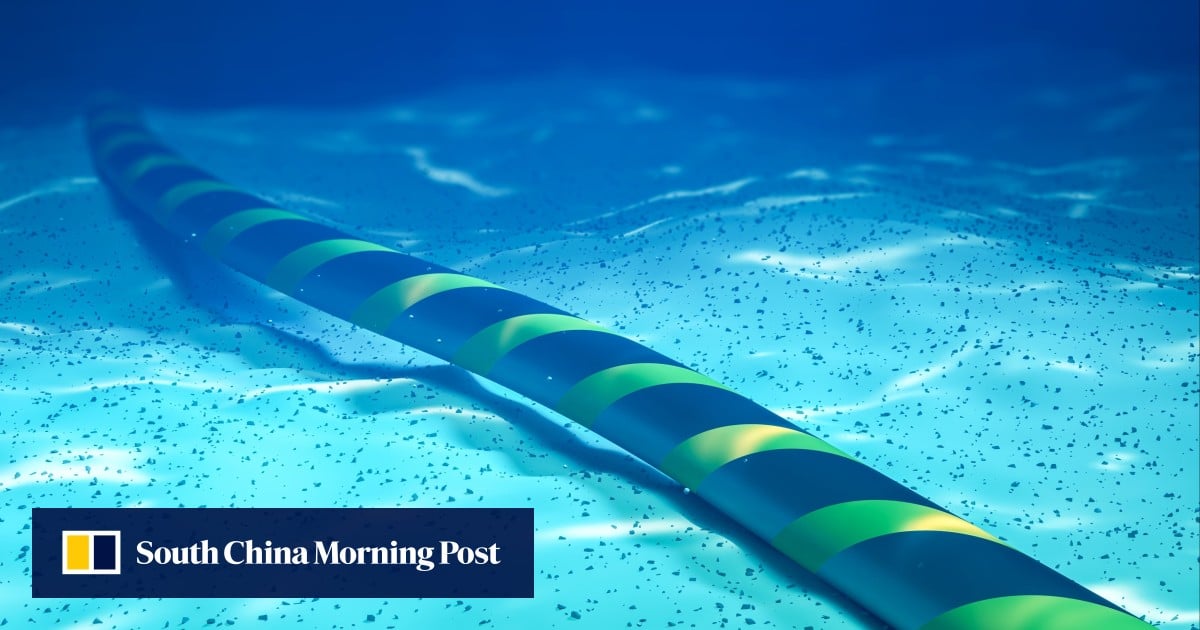
The intense demand for cross-border data to train AI systems has made control over critical undersea cable infrastructure a flashpoint in US-China relations. Washington's efforts to exclude Chinese companies from cable projects, citing national security, have drawn accusations from Beijing of politicizing global digital connectivity and disrupting international market norms.
Imagine the internet is like a giant highway under the ocean, made of super-fast glass wires called cables. These cables carry almost all the messages and videos between countries. Now, with smart computers (AI) needing tons of information from all over the world, two big countries, the US and China, are arguing over who gets to build and control these important underwater highways, like a fight over who owns the fastest lanes.
Analysis
AI's Data Hunger Fuels Geopolitical Tensions
The burgeoning global artificial intelligence industry is creating an unprecedented demand for cross-border data, transforming what was once a largely technical infrastructure concern into a critical geopolitical battleground. Undersea fibre-optic cables, which silently ferry approximately 99 per cent of all intercontinental digital traffic, have become the new frontier in the escalating tech rivalry between the United States and China. The sheer volume of data required to train and operate advanced AI systems necessitates robust, high-speed global connectivity, making control over these vital network ecosystems paramount for national security and digital sovereignty. This shift underscores how foundational digital infrastructure is now directly linked to a nation's strategic capabilities and economic future in the AI era.
The article highlights that the US-China tech competition has evolved beyond semiconductors and software into the physical conduits of global information. As AI models become more sophisticated and data-intensive, the ability to access, transmit, and process vast datasets from around the world becomes a strategic imperative. Consequently, the ownership, construction, and security of these submarine cables are no longer just commercial considerations but are viewed through a lens of national interest, influencing policy decisions and international relations. The current stand-off reflects a broader trend where technological dominance is increasingly intertwined with control over the underlying infrastructure that enables it.
Washington's Strategy and Beijing's Response
The recent escalation was triggered by reports of the United States planning to allocate US$175.8 million to replace ageing undersea cable lines in the Caribbean and Central America, explicitly aiming to prevent Chinese involvement. This move is part of a broader US strategy to counter China's growing influence in global digital infrastructure, driven by concerns over potential espionage, data security, and strategic leverage. Washington views Chinese companies' participation in such projects as a national security risk, fearing that Beijing could gain access to sensitive data or disrupt critical communications. This proactive approach by the US signals a clear intent to secure its digital supply chains and those of its allies.
Beijing has swiftly condemned these actions, with Chinese foreign ministry spokesman Lin Jian accusing Washington of "politicising" global undersea cable networks. China argues that such politicization and the overstretching of security concerns will only disrupt the normal functioning of international markets and threaten global data connectivity and cybersecurity, ultimately serving no one's interests. Lin Jian emphasized China's commitment to a multilateral approach, advocating for international cooperation on submarine cables based on principles of fairness, justice, equality, and inclusiveness. This stance positions China as a proponent of open and collaborative digital infrastructure development, contrasting with what it perceives as protectionist and exclusionary US policies.
Implications for Global Digital Connectivity
The intensifying stand-off over undersea cables carries significant implications for the future of global digital connectivity and the development of AI. A fragmented global network, driven by geopolitical competition, could lead to a balkanized internet where data flows are restricted or rerouted based on national allegiances rather than efficiency or need. Such a scenario would not only impede the collaborative nature of scientific research and AI development but also raise costs and introduce inefficiencies for businesses operating across borders. The free and open exchange of data is fundamental to the internet's architecture and the rapid advancements seen in AI, making any disruption a potential setback for global innovation.
Furthermore, the politicization of critical infrastructure could exacerbate cybersecurity risks, as nations might prioritize national control over interoperability and shared security standards. The article implicitly suggests that if countries cannot agree on common principles for managing these vital arteries of information, the entire global digital economy could suffer. The long-term consequences of this rivalry extend beyond immediate economic impacts, potentially shaping the geopolitical landscape for decades to come by determining which nations have privileged access to and control over the foundational elements of the digital age. The call for fairness and inclusiveness from China, while potentially self-serving, highlights the need for a universally accepted framework to govern these shared global resources.
Key points
- The global AI boom is intensifying the US-China tech rivalry over undersea fibre-optic cables.
- Undersea cables transmit nearly 99% of intercontinental data, making their control critical for digital sovereignty.
- Beijing accused Washington of "politicizing" these networks after the US funded projects to block Chinese involvement in Caribbean and Central American cables.
- China's foreign ministry warned that politicizing cables disrupts international markets and threatens global data connectivity.
- China advocates for international cooperation on submarine cables based on principles of fairness, justice, equality, and inclusiveness.
Despite the current tensions, China's call for international cooperation based on fairness and equality suggests a potential pathway for de-escalation. A collaborative approach to undersea cable development could ensure global data connectivity remains robust and secure, benefiting all nations reliant on cross-border data flows for AI and other digital advancements.
The escalating politicization of undersea cable infrastructure risks fragmenting the global internet and hindering the free flow of data essential for AI development and the broader digital economy. This could lead to a less interconnected world, increased cybersecurity vulnerabilities, and further deepen the US-China tech divide, impacting innovation and economic growth.