Sri Lanka’s ex-police chief sentenced to death over 2019 Easter bombings
A Sri Lankan court sentenced former police chief Pujith Jayasundara to death for failing to prevent the 2019 Easter Sunday bombings that killed 279 people. He can appeal the decision, but Sri Lanka has not carried out a death sentence since 1976.
Intelligence analysis by Gemini 2.5 Flash
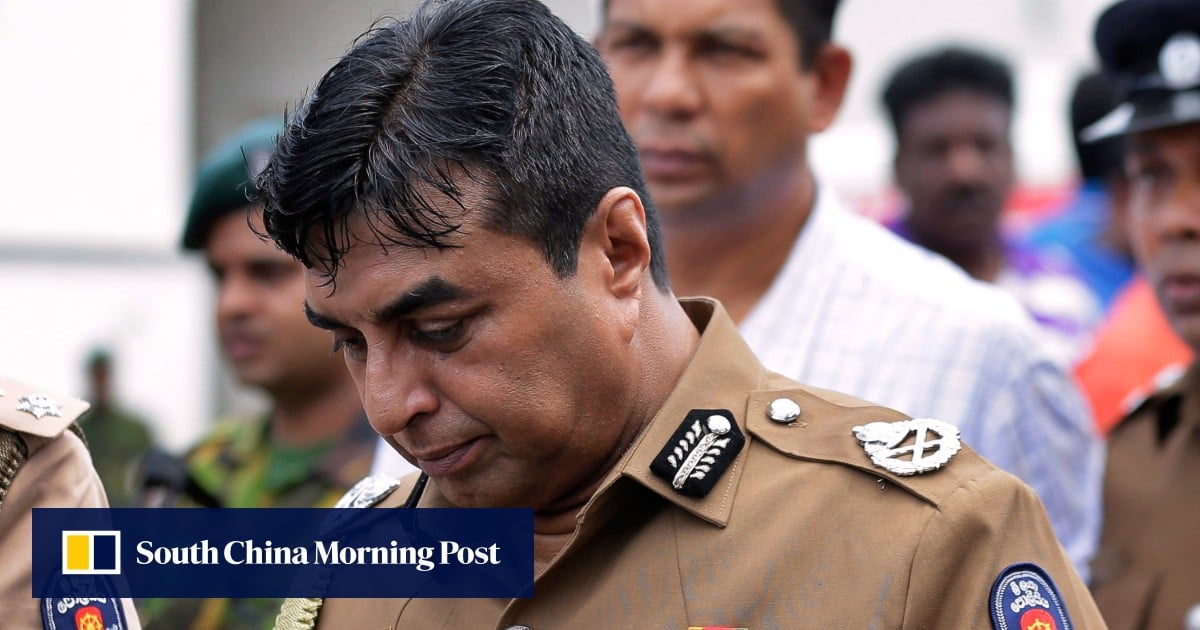
Sri Lanka's former police chief, Pujith Jayasundara, received a death sentence from a three-judge court for his failure to prevent the devastating 2019 Easter Sunday bombings. This ruling overturns a previous acquittal, though the country maintains an unofficial moratorium on capital punishment, suggesting the sentence may be commuted.
Imagine a big boss whose job was to keep everyone safe. A few years ago, some bad people set off bombs, and many people got hurt. Even though the boss knew there might be danger, he didn't do enough to stop it. Now, a special court has said he must face a very serious punishment for not doing his job, even though the country usually doesn't carry out such punishments.
Analysis
A Landmark Ruling on Accountability
The sentencing of former Sri Lankan police chief Pujith Jayasundara to death marks a significant moment in the country's pursuit of justice for the 2019 Easter Sunday bombings. A three-judge bench delivered a majority decision, finding Jayasundara culpable for failing in his duties to prevent the coordinated attacks that claimed 279 lives, including 45 foreign nationals. This ruling underscores a determined effort by the Sri Lankan state to hold high-ranking officials accountable for security lapses, particularly after a previous 2022 decision had acquitted both Jayasundara and the then-defence secretary. The state's successful appeal highlights the persistent pressure from victims' families and the public for answers and justice regarding one of the deadliest terror attacks in the nation's history. The legal proceedings have been protracted and complex, reflecting the gravity of the charges and the political sensitivities surrounding the bombings. The initial acquittals had drawn criticism, prompting the state to pursue further legal avenues. This latest verdict, therefore, represents a culmination of years of legal battles and public demand for accountability, signaling a potential shift in how high-level negligence in national security matters is addressed within Sri Lanka's judicial system.
The Shadow of Capital Punishment
Despite the death sentence, the practical implications for Jayasundara remain uncertain due to Sri Lanka's long-standing unofficial moratorium on capital punishment. The nation has not carried out an execution since 1976, and historically, death sentences are commuted to life imprisonment. This precedent suggests that while the symbolic weight of the death penalty is significant, its actual implementation is unlikely. There are approximately 800 individuals currently on death row in Sri Lanka, with their sentences typically converted. Jayasundara retains the right to appeal his sentence to the Supreme Court, which could further prolong the legal process. The interplay between the judicial pronouncement of the death penalty and the executive's de facto policy against executions creates a complex legal and ethical landscape. This situation ensures that while a strong message of accountability is sent, the ultimate outcome for the former police chief will likely align with the country's established practice of not carrying out capital punishment.
Regional Stability and International Perception
The outcome of this high-profile case has broader implications for Sri Lanka's image on the international stage and its internal stability. For countries like China, which has significant strategic and economic interests in Sri Lanka through the Belt and Road Initiative, the perception of governance and security is crucial. Major terror attacks and subsequent legal proceedings can influence investor confidence and geopolitical assessments of the region. While the sentencing addresses a domestic legal and justice issue, it also contributes to the narrative of Sri Lanka's capacity to manage internal security challenges and uphold the rule of law. The pursuit of justice for the Easter bombings, even years later, can be seen as an effort to restore public trust and demonstrate governmental resolve against extremism. This, in turn, can indirectly affect how international partners, including China, view the long-term stability and reliability of Sri Lanka as a partner.
Key points
- Sri Lanka's former police chief, Pujith Jayasundara, was sentenced to death for failing to prevent the 2019 Easter Sunday bombings.
- The attacks killed 279 people, including 45 foreigners, and were blamed on an Islamist extremist group.
- A three-judge bench delivered the majority decision, overturning a previous acquittal from 2022.
- Jayasundara, 66, has the right to appeal the sentence to the Supreme Court.
- Sri Lanka has an unofficial moratorium on capital punishment since 1976, with death sentences typically commuted to life imprisonment.
The court's decision to hold a high-ranking official accountable for security failures could strengthen public trust in Sri Lanka's justice system and deter future negligence, potentially enhancing national security and stability.
While symbolic, the death sentence may not be carried out due to the country's moratorium, potentially leading to public dissatisfaction if justice is perceived as incomplete. The prolonged legal battles also highlight deep-seated issues within the security apparatus.