How human values and national scientific advancement became the driving forces behind Iran?
The article discusses the enduring public support for the Islamic Revolution of Iran and its martyred leader, Grand Ayatollah Seyyed Ali Hosseini Khamenei, by examining three interrelated themes: the historical foundations of the Islamic Revolution, the leadership of Ayat…
Intelligence analysis by Llama
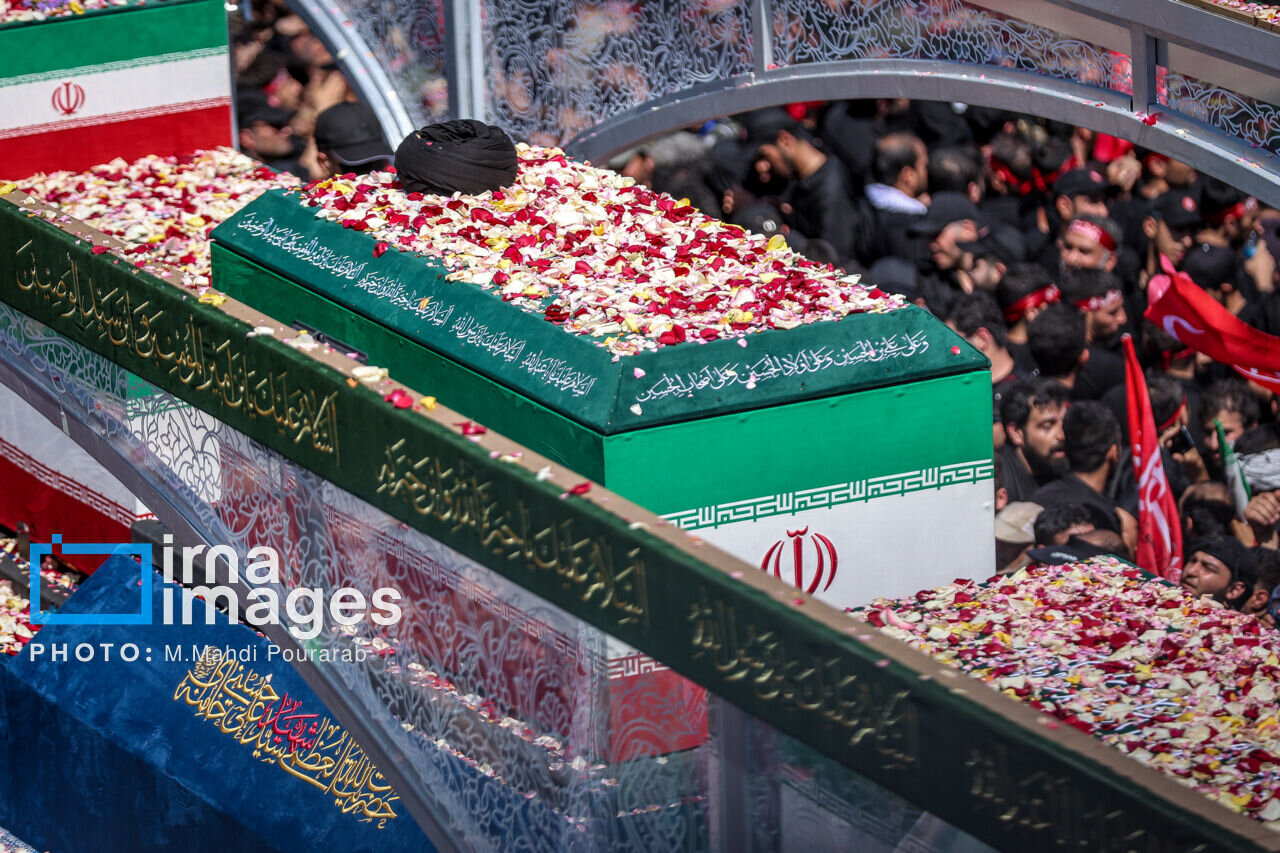
The Islamic Revolution of Iran has established a profound connection with the hearts of people around the world, driven by the leadership of Ayatollah Khamenei and the central role of science and technological advancement in preserving Iran's independence and confronting the hegemonic international order.
The Islamic Revolution of Iran has become a symbol of hope and resistance for people around the world. It's because of the leadership of Ayatollah Khamenei and the importance he placed on science, research, and technological development. This has helped Iran stay independent and strong despite the challenges it faces.
Analysis
The Historical Foundations of the Islamic Revolution of Iran
The Islamic Revolution of Iran took place at a time when the international system was divided between two competing power blocs: the Western bloc led by the United States and the Eastern bloc led by the Soviet Union. For centuries, the front of truth had found little opportunity to emerge on the global stage. It was under these circumstances that the Islamic Revolution of Iran, following a massive popular uprising in response to the call of Imam Khomeini, triumphed. The Islamic Revolution represented an independent alternative to both blocs. Inspired by Imam Khomeini's leadership and guided by the slogan 'Neither East nor West, but the Islamic Republic,' the Revolution sought to establish a political order founded upon two essential pillars: Islam as the ideological and legal framework of the state and popular participation as the foundation for establishing, administering, and safeguarding the political system.
The Leadership of Ayatollah Seyyed Ali Khamenei
Following the death of Imam Khomeini, Ayatollah Seyyed Ali Khamenei assumed the leadership of the Islamic Republic for the next thirty-seven years. During this period, the collapse of the Soviet Union transformed the international system into a predominantly unipolar order centered on the United States. This made the period particularly challenging for the Islamic Republic of Iran. This era also coincided with significant technological advances in the West, during which the United States and its Western allies prominently promoted the concept of globalization. According to this perspective, globalization represented an American theoretical framework for consolidating its dominance over the world's peoples and establishing a modern form of hierarchical international order.
The Central Role of Science and Technological Advancement
In contrast, under the leadership of Ayatollah Khamenei, the Islamic Revolution promoted values such as genuine freedom, morality, spirituality, justice, national independence, rationality, brotherhood, the centrality of the family, and the rejection of oppression and domination. These values are viewed as being rooted in human nature and are therefore regarded as timeless principles that remain meaningful and attractive to people across all over the world and all generations. Alongside promoting and strengthening these values, the martyred leader placed particular emphasis on science, research, and technological development. In many of his public speeches and also, meetings with scientists and researchers, he emphasized the importance of scientific progress and technological advancement in preserving Iran's independence and confronting the hegemonic international order.
Key points
- The Islamic Revolution of Iran has established a profound connection with the hearts of people around the world.
- The leadership of Ayatollah Khamenei has played a crucial role in promoting values such as genuine freedom, morality, and national independence.
- Science and technological advancement have been emphasized as key factors in preserving Iran's independence and confronting the hegemonic international order.
- The Islamic Revolution has become a symbol of hope and resistance for people around the world.
- The international community's imposition of its hegemonic order on Iran could lead to further isolation and economic hardship for the country.
If the Islamic Revolution continues to promote its values of genuine freedom, morality, and national independence, it could inspire more people around the world to stand up for their rights and resist oppression.
If the international community continues to impose its hegemonic order on Iran, it could lead to further isolation and economic hardship for the country.