How Iran Holds the Key to America's Defeat
Iran's military strategy in the Strait of Hormuz has shifted the balance of power in its favor, making it difficult for the US and Israel to achieve a decisive victory. The country's missile program and asymmetric warfare tactics have offset America's conventional superio…
Intelligence analysis by Llama
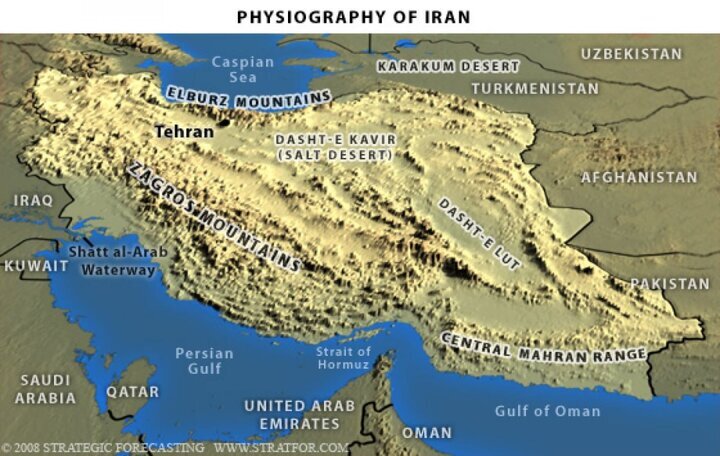
Iran's strategic transformation of the Strait of Hormuz has made it a potent weapon, capable of challenging the global balance of power. The country's military doctrine, based on asymmetric warfare, has offset America's conventional superiority, making it difficult for the US and Israel to achieve a decisive victory.
Imagine a game of chess where the opponent has a powerful knight, but you have a powerful pawn. The knight may be able to jump over the pawn, but the pawn can still block the knight's path. Iran's military strategy is like the pawn, blocking the US and Israel's path to victory. By controlling the Strait of Hormuz, Iran has become a powerful pawn in the game of global politics.
Analysis
A Strategic Shift in the Balance of Power
The conflict in the Strait of Hormuz has been ongoing for several years, with the US and Israel attempting to degrade Iran's military capabilities. However, Iran has consistently managed to evade these efforts, and its military strategy has undergone a significant transformation. By developing an asymmetric warfare doctrine, Iran has been able to offset America's conventional superiority, making it difficult for the US and Israel to achieve a decisive victory.
The Importance of Geography
The Strait of Hormuz is a vital strategic asset, and Iran's control over it has given it a significant advantage in the conflict. The US and Israel have been unable to match Iran's geographical position, and their military bases in the region have become vulnerable assets rather than invincible shields. This is the geographical cost of power projection, and it is a lesson that the US has consistently failed to learn.
The Economic Implications
The conflict in the Strait of Hormuz has significant implications for the global economy. The disruption of hydrocarbon supplies through the waterway has driven up energy prices, placing immense pressure on the international economic system led by the US. Iran's strategy has forced the US and Israel to reevaluate their military approach and consider the economic costs of power projection. The outcome of the conflict will have far-reaching implications for the global economy and the balance of power in the region.
Key points
- Iran's military strategy in the Strait of Hormuz has shifted the balance of power in its favor.
- The country's missile program and asymmetric warfare tactics have offset America's conventional superiority.
- The conflict in the Strait of Hormuz has significant implications for the global economy and the balance of power in the region.
- Iran's control over the Strait of Hormuz has given it a significant advantage in the conflict.
- The US and Israel have been unable to match Iran's geographical position, and their military bases in the region have become vulnerable assets.
If Iran's strategy continues to pay off, the US and Israel may be forced to negotiate a peace treaty, recognizing Iran's sovereignty and control over the Strait of Hormuz. This could lead to a significant shift in the balance of power in the region, with Iran emerging as a major player.
If the US and Israel are able to develop a new military strategy that takes into account Iran's geographical position and asymmetric warfare tactics, they may be able to achieve a decisive victory. However, this would require a significant investment of resources and a fundamental shift in their approach to the conflict.