How Iran's attack on Israel redefined regional equations?
The article argues Iran's missile strike on Israel showed its deterrence remains intact and that military pressure will not force Tehran to retreat.
Intelligence analysis by GPT-5.4 Mini
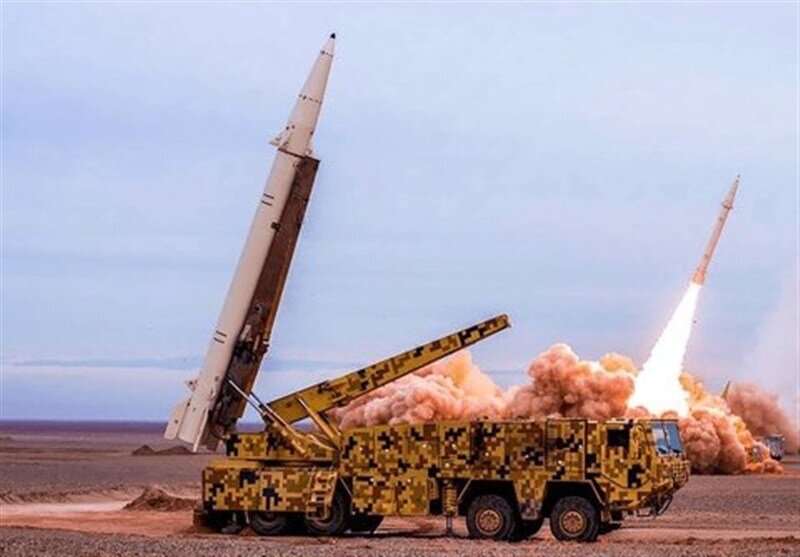
In this Mehr op-ed, Iran's missile response is framed as a strategic signal to Israel, the U.S., and the wider region. The piece argues the strike proved Iran can still act quickly, protect its deterrent, and impose costs for attacks on Lebanon.
The article says Iran's strike was like hitting a loud alarm bell: it wanted Israel and the U.S. to know Iran can still hit back fast, so pushing harder could bring more trouble.
Analysis
Main argument
The article says Operation Nasr was not just a military reply to the attack on the southern suburbs of Beirut. It presents the strike as a layered message to Tel Aviv, Washington, and the wider West Asia region, aimed at showing that Iran's deterrence was not broken by the recent war.
Deterrence and recovery
A central claim is that Israel hoped the war would erode Iran's military strength and make a direct response impossible. Instead, the article says the missile launches demonstrated that Iran's missile infrastructure is still active and that its command structure can make and execute decisions quickly. In the writer's view, that is evidence that Israel's strategic calculation failed.
Regional signal
The piece also frames the attack as a message about Lebanon and Hezbollah. It argues that Iran still treats Lebanon's security and Hezbollah's position as part of its own deterrence equation, and that the strategic relationship between Tehran and Hezbollah remains firm despite outside claims of distance among resistance actors. The article says this creates a new formula in which an attack on Lebanon could trigger a direct response against the occupied territories.
U.S. and Israeli calculations
The op-ed says Washington has tried to use military pressure and threats to win concessions in diplomacy, but that Iran's response shows hard power remains part of Tehran's bargaining tool. It also argues Israel cannot simply repeat the pressure-and-attrition pattern it used against Hamas or Hezbollah, because Iran has greater geographic depth and more diverse military capacity. The article's broader conclusion is that future Israeli planning must account for Iran as a real military power, not a weak one.
Key points
- The article frames Iran's missile strike as a strategic message to Israel, the U.S., and the wider region.
- It argues the attack showed Iran's missile and command capabilities were still intact after the recent war.
- The piece says Iran remains tied to Hezbollah's security and treats Lebanon as part of its deterrence equation.
- It claims a new regional formula is emerging in which attacks on Lebanon could trigger retaliation against the occupied territories.
- The op-ed says U.S. pressure is unlikely to force Iran back and may instead raise regional costs.
If the article's deterrence logic holds, future attacks on Lebanon could become less likely because Israel would have to weigh a stronger Iranian response. The piece also suggests Iran's ability to recover quickly could make its red lines clearer to other countries in the region.
The same deterrence setup could also raise the chance of a wider fight if Israel keeps acting against Lebanon and Iran answers directly. The article also implies that U.S. pressure may deepen tensions rather than produce concessions, making diplomacy harder.