How Is Android Auto Different From Android Automotive?
Android Auto and Android Automotive sound like two names for the same product, but they are different. Android Auto connects to your phone, while Android Automotive operates directly on the car's hardware.
Intelligence analysis by Llama
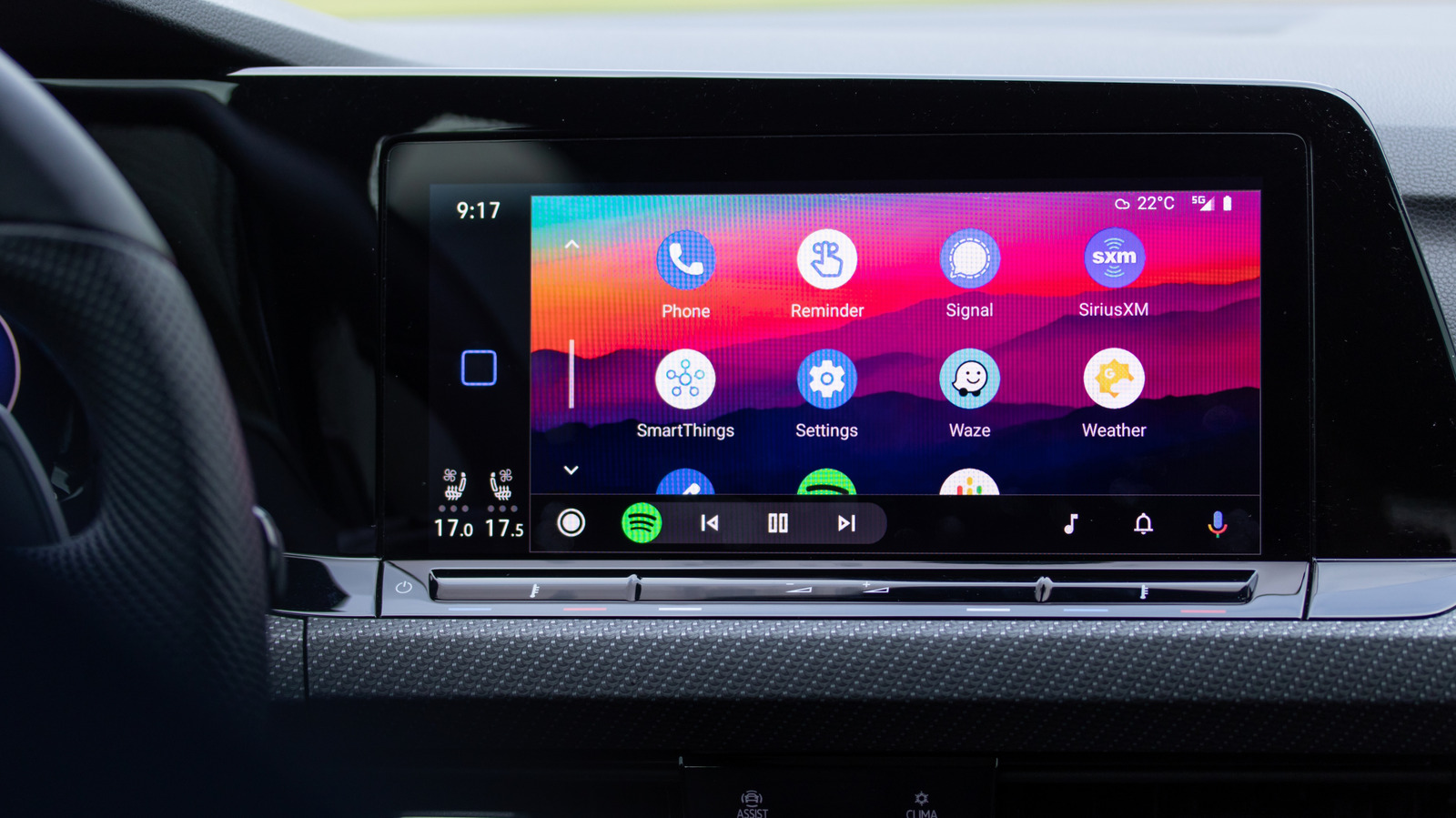
Android Auto is powered by your Android phone, while Android Automotive OS is a software platform installed in the vehicle itself. Android Automotive allows automakers to integrate it with various vehicle functions.
Android Auto is like a special phone app that helps you use your phone safely while driving. Android Automotive is a special software that lives in the car and helps you control the car's functions without needing your phone.
Analysis
Android Auto vs Android Automotive: What's the Difference?
Android Auto and Android Automotive sound like two names for the same product, which isn't exactly helping anyone. Thankfully, the difference is pretty simple. The one that most drivers will be familiar with is Android Auto. The experience is powered by your Android phone, and a compatible car display provides you with a driving-friendly interface for navigation, music, messaging and supported applications. It's Google's response to Apple CarPlay and can be used via USB or wirelessly, depending on your phone and car.
Android Automotive OS (AAOS) is a different animal. It operates directly on the car's hardware, meaning there's no need for a phone to do the heavy lifting. It gets a little more complicated when Google built-in comes into the mix (as if the naming wasn't confusing enough), but that's another story.
Android Auto: Powered by Your Phone
Consider your phone the brain and the dashboard the larger, less distracting place to put everything while driving. Android Auto is not a substitute for the software that is already in your car. It displays a specialized interface from your phone on the car's screen, allowing you to use compatible apps like Google Maps, Spotify and messaging services without having to handle the phone. That phone dependency is part of the attraction too. You can connect to another compatible vehicle and bring your apps, accounts and preferences with you.
Android Automotive: A Software Platform
Android Automotive OS is more than that, as it is the software platform that is installed in the vehicle itself and allows automakers to integrate it with infotainment, instrument displays, climate controls, EV information and other vehicle functions rather than just providing an interface from a connected phone. So, is Google built-in the same as Android Automotive? AAOS is open source, while Google built-in relies on a separately licensed collection of Google Automotive Services. That can provide a car with native Google Maps, Google Play and Google's voice assistant, without the driver's phone.
The Difference Matters
For instance, Rivian builds its own software experience on top of AAOS and doesn't offer Android Auto or CarPlay projection. Polestar demonstrates how flexible things can be. It can have Google built-in in its AAOS-based cars and still be compatible with Android Auto and Apple CarPlay, so it's not a case of either/or. In 2020, the Polestar 2 was the first production car to feature Android Automotive OS.
Key points
- Android Auto is powered by your Android phone, while Android Automotive OS is a software platform installed in the vehicle itself.
- Android Automotive allows automakers to integrate it with various vehicle functions, such as infotainment, instrument displays, and climate controls.
- Google built-in is a separately licensed collection of Google Automotive Services that can provide a car with native Google Maps, Google Play, and Google's voice assistant.
If Android Automotive continues to improve, it could lead to more seamless and integrated car experiences, making driving safer and more enjoyable.
If Android Automotive becomes too complex, it could lead to compatibility issues and frustration for car owners, potentially hindering its adoption.