How Japan and the Philippines Are Building a Maritime Security Front Against China
Japan and the Philippines agreed to deeper defence ties, including talks on intelligence sharing and maritime boundary delimitation. Beijing condemned the moves as tensions widened across the South and East China seas and the Taiwan Strait.
Intelligence analysis by GPT-5.4 Mini
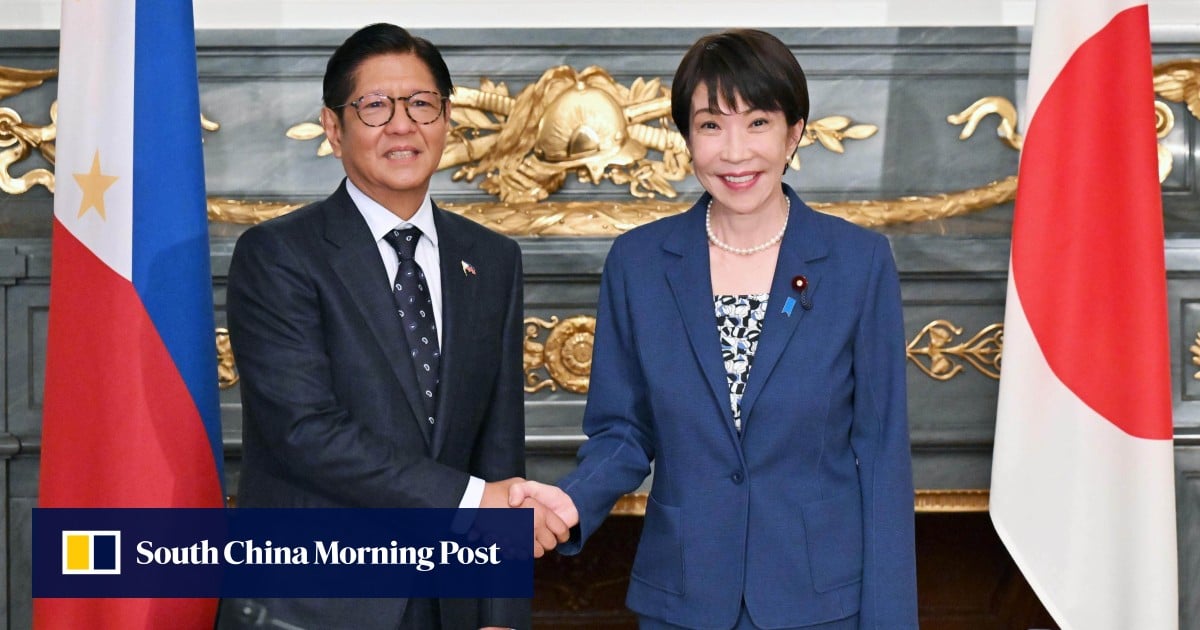
Tokyo and Manila are turning shared concerns about China into a more formal security partnership, while Manila also moved closer to Hanoi. The article says these steps connect multiple maritime flashpoints into a broader front that could complicate Beijing's planning.
Japan, the Philippines, and Vietnam are holding hands more tightly at sea because they worry about China. It is like neighbors building a bigger fence and sharing walkie-talkies so they can watch the same street together.
Analysis
What changed
Japan and the Philippines used Marcos Jnr's state visit to Tokyo to deepen defence and maritime cooperation. The two sides agreed to begin formal talks on military intelligence sharing and maritime boundary delimitation, and they upgraded ties to a comprehensive strategic partnership.
Why Beijing is watching closely
The article says Beijing reacted sharply, calling the boundary talks "illegal and invalid" and sending coastguard vessels on law enforcement patrols east of Taiwan. That reaction reflects how Chinese officials appear to see these moves as part of a wider alignment that goes beyond a single dispute in the South China Sea.
A wider maritime network
On the same day, Manila and Hanoi also lifted ties to an enhanced strategic partnership and renewed a defence cooperation agreement. Marcos said this would strengthen joint maritime security capabilities, and he stressed that peace, stability, and freedom of navigation and overflight in the South China Sea remain non-negotiable.
Observers quoted in the article argue that these developments link Beijing's most sensitive maritime concerns together, from the South China Sea and East China Sea to the Taiwan Strait. Lucio Blanco Pitlo III said closer Japan-Philippines military and logistical cooperation would complicate Beijing's planning in a Taiwan crisis. The core message is that regional maritime disputes are becoming more interconnected, with practical consequences for surveillance, planning, and crisis response.
Key points
- Japan and the Philippines agreed to formal talks on military intelligence sharing and maritime boundary delimitation.
- The two countries also upgraded their relationship to a comprehensive strategic partnership.
- Beijing condemned the boundary talks and sent coastguard vessels east of Taiwan on patrols.
- Manila and Hanoi also strengthened defence ties and renewed a defence cooperation agreement.
- Analysts say these moves connect South China Sea, East China Sea, and Taiwan Strait concerns into a broader security front.
If the cooperation works as intended, the countries involved could improve communication, maritime awareness, and crisis management. That may help them deter accidents or miscalculations and keep sea lanes open.
The downside is that Beijing may see the coordination as containment and respond more aggressively, raising tensions further. The article also suggests that linking several flashpoints could make any Taiwan or South China Sea crisis more complex and harder to manage.