How Putin Became a Master of Image-Making
BBC Persian traces how Putin used television, staged imagery, and personal branding to project strength and distance himself from Yeltsin's chaos.
Intelligence analysis by GPT-5.4 Mini
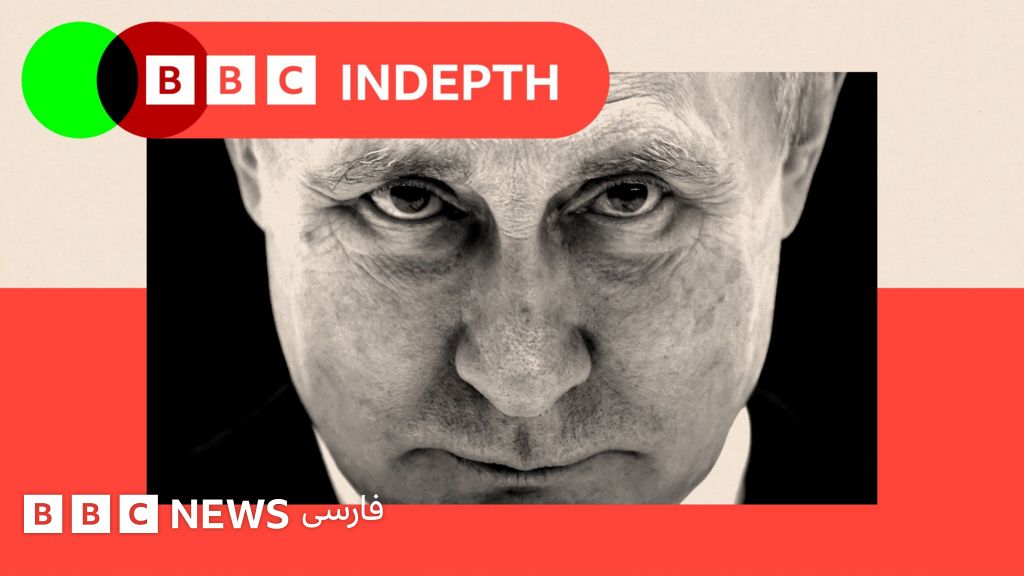
The article argues that Putin understood early that modern power is also visual power. Through careful media control and highly staged public appearances, he built a persona of discipline, masculinity, and national strength.
The story says Putin was like a person carefully choosing every photo and scene in a movie about himself. He wanted people to see him as strong, calm, and tough, not messy like the leader before him.
Analysis
Image as power
The article says Putin understood the political force of television long before he became president. A former BBC interviewer recalls that his team even removed water glasses before filming so nobody would mistake them for vodka and so a live broadcast would not be spoiled by a spilled glass. That small act captures the broader strategy: controlling what the public sees, and what it does not.
Building a different leader
According to the piece, Putin's image was designed to contrast sharply with Boris Yeltsin. Yeltsin's public drunkenness embarrassed many Russians; Putin was instead presented as disciplined, energetic, and sober. He appeared in settings that reinforced that message: drinking tea with honey rather than alcohol, flying a fighter jet, showing judo skills, fishing, and posing in physically dramatic ways.
The article notes that the famous 2007 images of him shirtless on horseback, fishing, and swimming were not just random publicity stunts. Analysts quoted in the story argue they were meant for multiple audiences at once. To some viewers, they looked exaggerated or even ridiculous. To others, they suggested a traditional strongman figure fit to lead Russia.
A wider political project
The piece links this image-making to a larger transformation: Russia moved from a fragile post-Soviet democracy toward a largely authoritarian system organized around Putin himself. Fiona Hill is quoted describing him as a trendsetter who helped define the modern populist strongman. For external audiences, the message was that Russia should be treated as a serious power again, not a weakened state.
Putin also staged symbolic feats such as diving for historical objects or flying with endangered cranes. The article says he presented these as environmental or scientific gestures, while leaving open the question of whether the spectacle sometimes tipped into self-parody. Either way, the core point is clear: Putin made image management central to rule, and he did it early, deliberately, and very effectively.
Key points
- Putin understood early that television and visual messaging were central to political power.
- His image was built to contrast with Yeltsin's public drunkenness and disorder.
- Staged photos and appearances portrayed him as strong, disciplined, and masculine.
- The article links this image strategy to Russia's shift toward a personalized authoritarian system.
- Different audiences were meant to read the same images in different ways.
If this style of leadership helped Russia present itself as stable and serious, it may have strengthened the state's sense of order at home and credibility abroad. The article also suggests the messaging could mobilize attention around environmental and scientific causes when those appearances were framed that way.
The downside is that a leader built around image can push politics toward performance instead of accountability. The article also ties this branding to Russia's drift toward a highly personalized and authoritarian system, where dissent and complexity are easier to suppress.