How Putin became master of the image
BBC examines how Vladimir Putin used television, staged photos, and carefully managed optics to build a strongman presidency.
Intelligence analysis by GPT-5.4 Mini
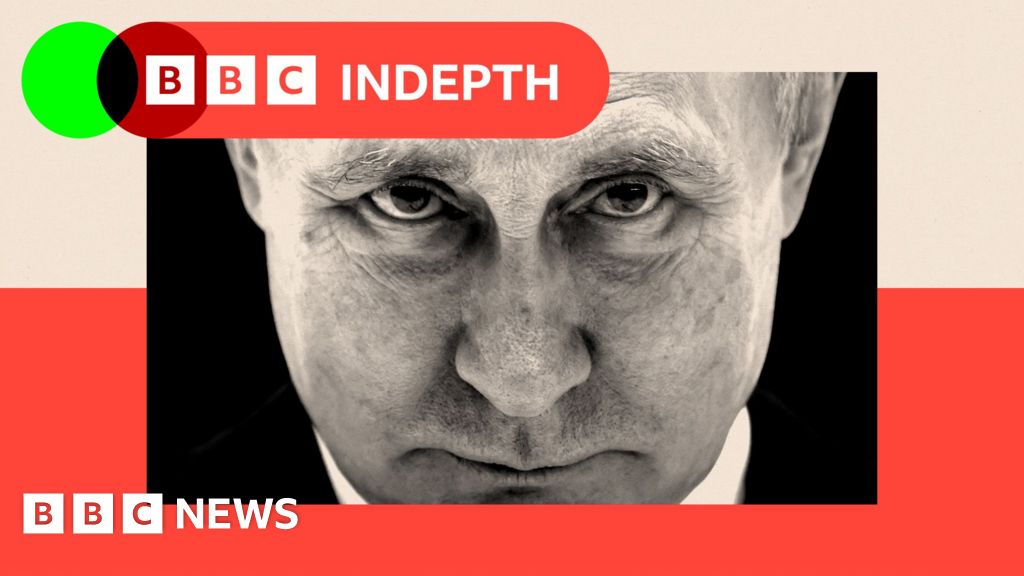
The piece argues that Putin understood early how image could help consolidate power. It traces how his team contrasted him with Boris Yeltsin and used choreographed visuals to project strength, discipline, and control.
This story says Vladimir Putin did not just lead Russia with laws and speeches. He also used pictures and TV to make himself look strong, calm, and in control, like the main character in a serious action movie.
His helpers made sure the camera showed the right things. They wanted people to see him as fit, serious, and different from the leader before him, who was often seen drinking too much.
The article says this mattered because pictures can change how people feel about a leader. It is a bit like choosing the best photo for a school poster: one picture can make someone look brave and important, even before they say a word.
Analysis
Image as power
The BBC profile says Putin has long been alert to the political value of visuals. From an early interview in 2001, the article uses the removal of water glasses before cameras rolled to show how carefully his team managed what the public saw.
The story links Putin’s rise to the TV age. He grew up watching Soviet spy dramas and, by his own account, saw those quiet, hard-edged heroes as role models. After becoming acting president in 1999 and then elected president, he and his advisers used imagery to build a persona that looked disciplined, active, and physically strong.
Building a contrast
A major part of that image-making was contrast. The piece says Putin was presented as a teetotal, healthy leader in opposition to Boris Yeltsin, whose drinking had embarrassed many Russians. Public images of Putin flying a fighter jet, practicing judo, riding horses, fishing shirtless, and other staged feats were meant to signal stamina and control.
Political analyst Peter Pomerantsev says television became central to consolidating power, while Russia expert Fiona Hill describes Putin as a trendsetter who shaped the image of the first populist strongman of the 21st century. The article suggests the photos worked on two levels at once: to project a traditional hardman for some audiences and a knowingly exaggerated, almost ironic coolness for others.
The broader point is that Putin’s rule has not only been built through institutions and force, but also through a highly managed visual story about who he is and what Russia represents.
Key points
- The article says Putin understood early that television and images could help build political power.
- His team managed his appearance carefully, including details as small as drinks on a table during interviews.
- Public photos of sports, flying, and outdoor feats were meant to present him as vigorous and decisive.
- The article contrasts this image with Boris Yeltsin's public drinking and political embarrassment.
- Analysts quoted in the piece argue Putin helped define the modern strongman image in global politics.