How Stellar (XLM) became part of DTCC's plan to bring securities onchain
DTCC chose Stellar for a tokenized securities platform, citing long-running work on compliance tools built for regulated assets.
Intelligence analysis by GPT-5.4 Mini

DTCC is linking its tokenized securities push to Stellar, a public blockchain that already supports compliance features regulators and institutions need. The move reflects years of work between Stellar, Securrency and firms like Franklin Templeton.
A big Wall Street helper called DTCC wants to use Stellar so some financial items can be turned into digital pieces and moved on a blockchain. Think of it like putting a paper ticket into a safe, shared computer notebook.
Stellar already has special rules that help grown-up money companies follow laws, like checking who can receive something and whether it can be stopped or taken back if needed. That made it useful for the job.
The story matters because it shows that blockchain is not just for crypto trading. It is starting to act more like the pipes under a city, helping move important things faster and with fewer mix-ups.
Analysis
What happened
DTCC said tokenized assets held through its Depository Trust Company could be made available on Stellar in the first half of 2027. That matters because DTCC is a core market utility on Wall Street, handling post-trade infrastructure for a huge amount of securities activity.
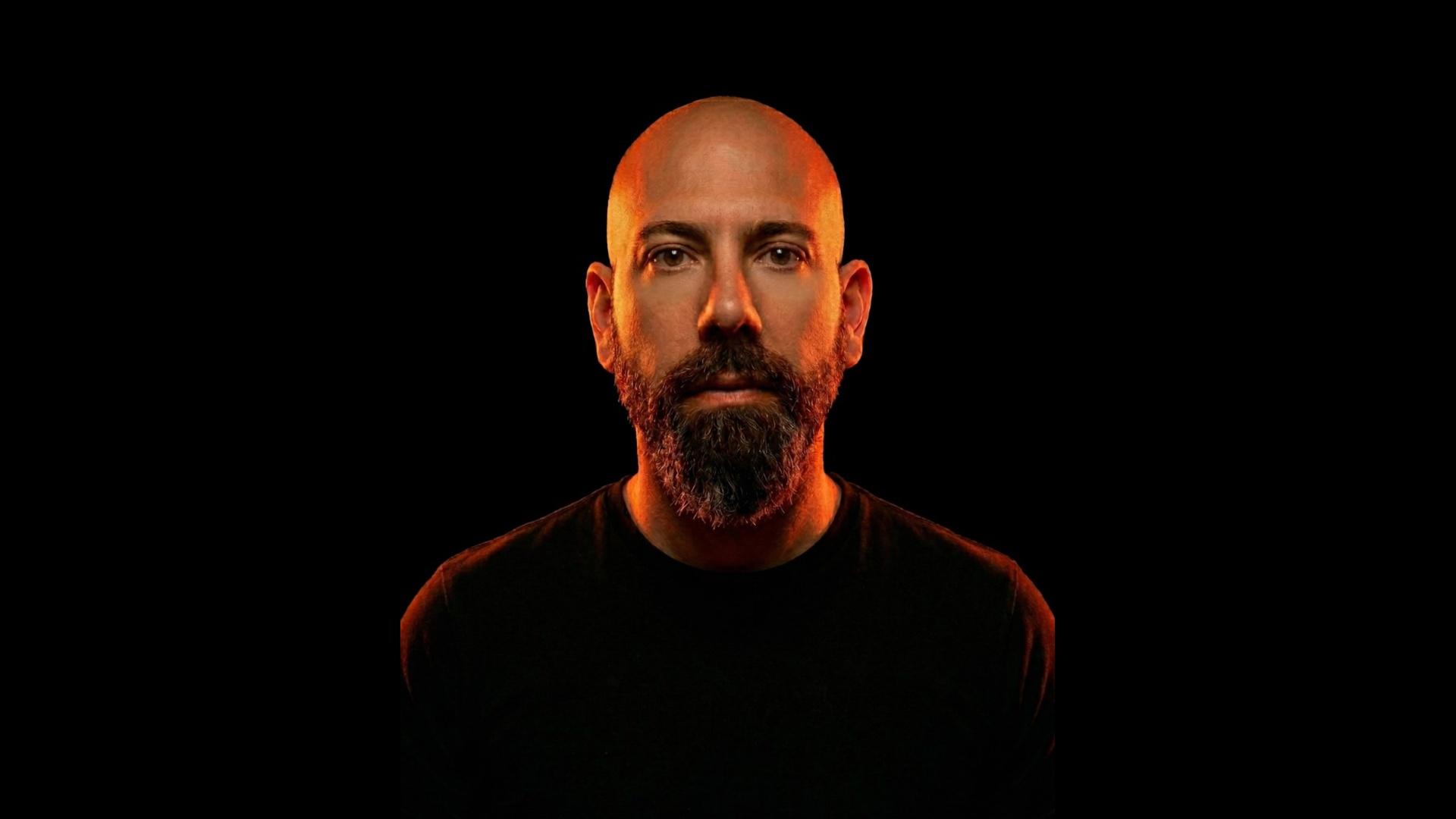
According to Stellar Development Foundation CEO Denelle Dixon, the relationship did not begin with this announcement. It goes back to Securrency, the institutional tokenization platform DTCC acquired in 2023 and later turned into DTCC Digital Assets. Dixon said Securrency worked with Stellar developers for years on features needed by regulated institutions, including clawbacks, transfer limits, identity controls and other compliance tools. Those features were eventually built into the network itself.
The article frames the DTCC move as part of a larger tokenization trend across crypto and traditional finance. Tokenization means representing assets like Treasuries, funds or stocks as digital tokens that can be issued and settled on blockchains. Proponents say this can speed up settlement, reduce trapped collateral and make markets more efficient. Dixon’s point is that the product is only the visible part: the harder work is the record-keeping and controls underneath.
Franklin Templeton is presented as an early proof point. The asset manager explored Stellar starting in 2019 and launched BENJI in 2021, one of the early regulated tokenized funds. The piece says that work helped show that public networks can support compliant financial products. The broader backdrop is a market now estimated at roughly $15 billion for tokenized Treasuries, with firms like BlackRock, JPMorgan and Fidelity entering the space.
Key points
- DTCC chose Stellar as the first public blockchain connected to its planned tokenized securities platform.
- The partnership builds on years of work with Securrency, now DTCC Digital Assets, on compliance tools for regulated assets.
- Franklin Templeton's BENJI fund is presented as an early example of regulated tokenization on Stellar.
- The article says Stellar supports features such as clawbacks, transfer restrictions and identity controls.
- The broader tokenization market is growing as banks and asset managers test blockchain-based settlement.