How the Iran-US war helped revive the Persian script in Tajikistan
BBC Persian examines how the US-Israeli war on Iran spurred Tajik journalists and civil society to revive Persian-script content, framing the conflict as a catalyst for shared cultural solidarity.
Intelligence analysis by Llama
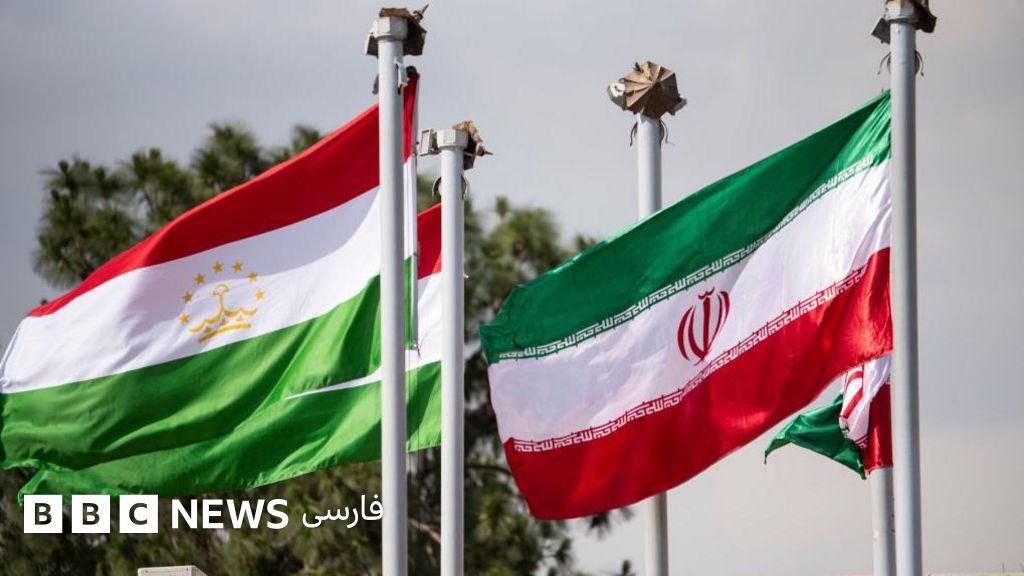
The US-Israeli war on Iran triggered an outpouring of sympathy in Tajikistan, from official condolences and humanitarian aid to a wave of Tajik-language Persian-script journalism. Editors say the conflict exposed how the Cyrillic script has isolated Tajikistan from the wider Persian-speaking world.
When a war hit Iran, people in Tajikistan, who speak a language very close to Persian but write it in Russian-style letters, started writing and posting in old Persian letters to show they stand with Iran. Their leaders also sent sympathy and food. The war made Tajik journalists realise they need their own Persian-language news to tell their own story.
Analysis
A Wartime Cultural Reawakening
The 40-day US-Israeli war on Iran surfaced what BBC Persian describes as under-reported realities in Iran-Tajikistan relations. Tajikistan's foreign ministry issued separate statements expressing concern over the attacks and called for a halt to hostilities and a return to dialogue, while President Emomali Rahmon sent a condolence message after the killing of Ali Khamenei in the February 28 strikes and travelled to Tehran on July 3 to attend a funeral ceremony, a visit some observers read as a signal of Dushanbe's alignment with Tehran at that moment. At the height of the aerial bombardment of Iranian cities, Tajikistan dispatched more than 3,600 tons of humanitarian aid to war-affected Iranians on the eve of Nowruz. On social media, Tajik users flooded feeds with messages, essays, analyses, poems, recitations and artworks in support of Iran, with Tajik poets publishing verses that framed Iran as the centre of a shared historical, linguistic and civilisational heritage for Persian-speakers.
The 'Awakening' of Tajik Media
Tajik journalist Mehr-afarin Najibi told BBC Persian that the US-Israeli attacks triggered an "awakening of journalists and media in Tajikistan." She published an article titled "Silence in the face of 150 million Persian-speakers is not wise," which was republished by Iranian outlets Fars, IRNA and the IRIB website. Najibi read that cross-posting as evidence of Iranian media's appetite for Tajik-produced Persian content. During the war, Iranian outlets also carried her interview with prominent Tajik jurist Aynekhal Babanazarova, and sections of the conversation circulated inside Iran. Najibi argues this demonstrated appetite for a "Tajik narrative" of the conflict among Persian-speaking audiences. Fellow Tajik reporter Mazhab Jom'ah linked the surge in Persian-script output to a structural problem: the Cyrillic script dominant in Tajikistan, he said, had long separated the country from the Persian-language information space and left Persian-speakers worldwide ignorant of Tajik affairs. He compared the dynamic to Russian-language content from Tajikistan, which he said has always drawn large audiences across Russia and the other former Soviet republics.
A Strategic Imperative for Persian-Script Output
Many in Tajikistan view the Persian script — what Tajiks call "the alphabet of the ancestors" — as the only effective and easy bridge to co-linguists in Afghanistan and Iran. Jasur Abdullazadeh, editor of the Tajik-language section of the independent outlet Isha Plus, told BBC Persian that producing content in Persian is essential in a context of intensifying geopolitical competition, arguing that if Tajiks want their country understood on its own terms, Persian output is unavoidable. He warned that Russian media and outlets from some Turkic-speaking states often push one-sided narratives, and Isha Plus responded to the war by producing Persian-language Tajik video content that drew Iranian users. The outlet's editorial board has now concluded that launching a Persian-language section is more necessary than ever, even as Abdullazadeh cautioned that entering that larger media space requires a deliberate complementary strategy. He framed the move as a matter of safeguarding Tajikistan's national interests, arguing that the Middle East crisis and accompanying information warfare had again demonstrated that the absence of a Persian-language outlet in Tajikistan now works against the country's national interest. The piece closes with Rahmon's recent order to strengthen teaching of "the alphabet of the ancestors," a development that ties the wartime cultural surge directly to state-level education policy.
Key points
- Tajikistan's foreign ministry condemned the US-Israeli strikes and President Rahmon sent condolences and travelled to Tehran for a funeral ceremony
- Tajikistan sent more than 3,600 tons of humanitarian aid to Iranians during the war, timed to Nowruz
- Tajik journalists and social media users produced an outpouring of poetry, essays and articles in Persian script, framing Iran as the centre of a shared civilisational heritage
- Independent outlet Isha Plus concluded that launching a Persian-language section is now a strategic necessity, citing the absence of such coverage as contrary to Tajikistan's national interests
- President Rahmon issued an order to strengthen teaching of the Persian script, what Tajiks call "the alphabet of the ancestors"
If Tajikistan sustains the momentum, a flourishing Persian-script media ecosystem could deepen people-to-people ties across the Persian-speaking world and give Dushanbe an independent voice in regional information contests. President Rahmon's reported order to strengthen teaching of "the alphabet of the ancestors" points to top-level backing that could entrench the shift in education and media.
The same wartime sentiment could fade once the conflict stops driving engagement, and Tajikistan's structural reliance on Russian-language information channels may continue to constrain Persian-script output. Abdullazadeh himself warned that entering the Persian-language media space without a coherent strategy risks producing content that fails to land with target audiences.