How the Strait of Hormuz Blockade is Affecting Russia-Iran Relations
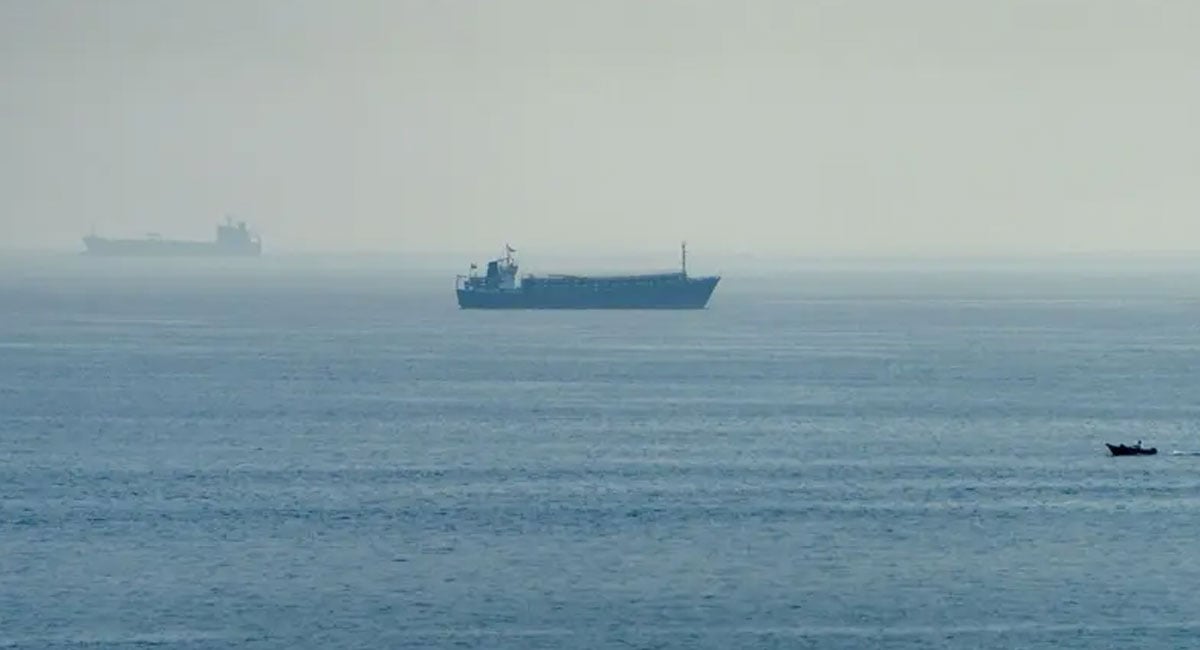
The ongoing US blockade of Iranian ports, particularly in the Strait of Hormuz, is indirectly benefiting Russia by driving up oil prices, diverting US attention, and strengthening Russia's economic and political influence in Iran.
Intelligence analysis by Gemini 2.5 Flash

Russia is capitalizing on Iran's isolation, which has been exacerbated by US sanctions and regional tensions. This situation allows Russia to secure unexpected profits from higher oil prices, expand its presence in Iran's energy markets, and increase its overall political leverage in the region, while Iran becomes increasingly reliant on Moscow for economic and military support.
Imagine two friends who are both in a bit of trouble. One friend, Iran, has its main roads blocked by others, making it hard to sell its goods, especially oil. The other friend, Russia, sees this and realizes it can help Iran, but also benefit itself. Russia sells its own oil for more money because there's less oil from Iran, and it also helps Iran by sending things through a different, secret route. This makes Iran rely more on Russia, and Russia gets stronger in the neighborhood by being the helpful friend.
Analysis
The intricate relationship between Russia and Iran has seen a significant shift, largely propelled by external pressures on Tehran. The US-led blockade of Iranian ports, particularly those in the south, has inadvertently created a strategic advantage for Russia. This situation, coupled with disruptions to Russian Black Sea ports due to the conflict in Ukraine, has led to a substantial increase in maritime activity across the Caspian Sea since mid-2026. This route has become crucial for both nations, facilitating the transfer of military components to Iran and boosting Russian grain exports, thereby alleviating logistical strains on Russian producers.
Nikita Smagin
Nikita Smagin, an expert on Iranian affairs, highlights that Tehran's increasing isolation has compelled it to seek greater assistance and deepen its ties with Russia. Smagin suggests that while many Russian projects in Iran may appear financially dubious, the Kremlin's primary motivation is to expand its political influence within the region. This strategic focus underscores Russia's long-term geopolitical ambitions rather than immediate economic returns, leveraging Iran's constrained international position.
Smagin further points out that Iran faces escalating economic challenges, which could lead to a rise in its debt to Russia. This growing financial dependency presents a critical juncture: either the relationship will continue to expand at Russia's expense, or many joint projects may ultimately be abandoned. The expert concludes that the deepening proximity between Russia and Iran in recent years is a direct consequence of their shared international isolation, forcing them into a cooperative stance.
Strait of Hormuz
The blockade of the Strait of Hormuz and other Iranian ports has had a profound impact on global energy markets, indirectly benefiting Russia. The resulting increase in oil prices has generated unexpected profits for Moscow, while simultaneously diverting the attention of its adversaries, particularly the United States. This strategic distraction allows Russia greater latitude in its own foreign policy endeavors and regional engagements, enhancing its geopolitical standing.
Beyond financial gains, Russia is actively working to solidify its presence in Iran's energy sector, which has been severely affected by sanctions. This includes offering to supply gas to Iran's northern regions, which occasionally experience shortages during winter months. This move not only provides practical assistance but also deepens Iran's reliance on Russian energy infrastructure and expertise, further integrating the two economies.
The increased maritime links across the Caspian Sea, a direct consequence of the blockade and other regional conflicts, serve as a vital conduit for Russia to supply military parts to Iran. Concurrently, Iran's increased procurement of Russian grain helps to mitigate logistical pressures on Russian agricultural producers. This symbiotic relationship, driven by necessity, strengthens the strategic alignment between Moscow and Tehran, particularly in areas where both face international scrutiny or sanctions.
Bushehr Nuclear Power Plant
The Bushehr Nuclear Power Plant stands as a prominent example of Russian engagement in Iran's energy sector. It is one of the few major energy projects where Russian companies maintain an active presence, underscoring the strategic importance of this collaboration. Despite the project's significance, Russia has historically encountered difficulties in collecting payments from Iran, including those related to Bushehr's construction, indicating potential financial complexities in their partnership.
These past payment issues, combined with Iran's current economic challenges, suggest that future projects could face similar financial hurdles, potentially increasing Iran's indebtedness to Russia. This dynamic could either lead to a further entrenchment of Russian influence through financial leverage or, conversely, result in the abandonment of less profitable ventures if Iran's economic situation deteriorates significantly. The long-term viability of such projects is thus intertwined with Iran's economic stability and its capacity to meet financial obligations.
Ultimately, Russia's continued involvement in projects like Bushehr, despite questionable immediate profitability, aligns with its broader objective of expanding political influence in the region. By providing critical infrastructure and technical expertise, Russia solidifies its strategic foothold in Iran, leveraging the latter's isolation to secure long-term geopolitical advantages. This approach prioritizes strategic gains over short-term financial returns, reflecting a calculated foreign policy. The article also mentions Russia's provision of satellite information to Iran, which was then shared with Iraqi militias and Yemeni Houthis for attacks on Saudi Arabia, highlighting the covert military dimension of their cooperation.
Key points
- The US blockade of Iranian ports and regional conflicts are indirectly benefiting Russia through higher oil prices and diverted international attention.
- Russia is strengthening its economic and political influence in Iran, offering gas supplies and increasing trade via the Caspian Sea.
- Iran's growing economic challenges may lead to increased debt to Russia, potentially giving Moscow greater leverage.
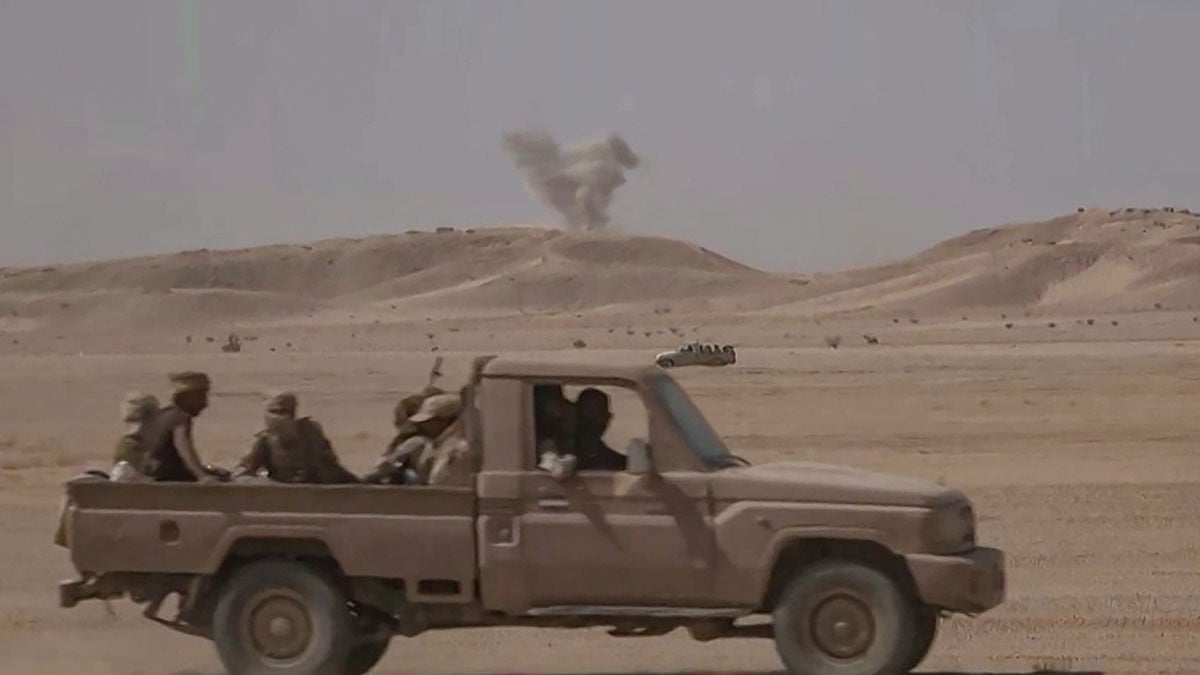
- Russia is believed to be providing covert military assistance to Iran and its allies, including sharing drone technology and satellite information.
- Russian officials emphasize strong bilateral ties and increased trade, despite international sanctions against both nations.
The increasing reliance of Iran on Russia could lead to greater economic vulnerability for Tehran, potentially accumulating significant debt to Moscow. This dependency, coupled with continued regional instability and covert military support, risks escalating tensions in the Middle East and further isolating Iran from the international community, hindering its long-term development.
Market signals
- OIL Regional instability and blockades affecting oil supply routes, as described in the article, tend to drive crude oil prices higher.
AI-generated analysis of potential market relevance. Not financial advice.