How to enjoy the World Cup - and keep your boss on side
Fans are planning leave, flexible hours and sick days around late World Cup kick-offs, while employers brace for lost productivity.
Intelligence analysis by GPT-5.4 Mini

The BBC says the 2026 World Cup’s awkward UK viewing times are forcing workers and employers to negotiate around sleep, leave and office expectations. Some firms are loosening rules to protect morale, while estimates suggest the tournament could dent productivity and raise absenteeism.
The World Cup is like a giant late-night party for football fans, but many people still have schoolwork the next morning. Some bosses are letting workers start later, while others worry about extra sick days and less work getting done.
Analysis
Work, sleep and the tournament
The article focuses on the practical problem facing fans in England and Scotland: many of their team’s matches in the 2026 FIFA World Cup will kick off very late at night UK time because the tournament is being staged across the US, Canada and Mexico. That creates a simple conflict between enjoying the matches and turning up ready for work the next morning.
Some fans are solving that by booking annual leave in advance, especially around likely knockout games. Others are trying to use flexible working instead, asking for later start times or working from home after a late-night match. One Scotland fan, Cameron Rae, has already booked the Monday after the Haiti game off and says his job in a garage would make flexible hours difficult. Another fan, Krys Kujawa, says some fixtures are manageable with recovery time, but that Brazil would be “coffee-your-way-through-work territory.”
Cost to employers
The piece then shifts to the business impact. BrightHR predicts at least 1.5 million workers could call in sick during the tournament, creating more than 2.3 million extra sickness absences. UKG estimates the World Cup could cost UK employers about £681m in lost productivity. Those figures frame the tournament as more than a sports story: it becomes a labour and productivity issue.
How companies are responding
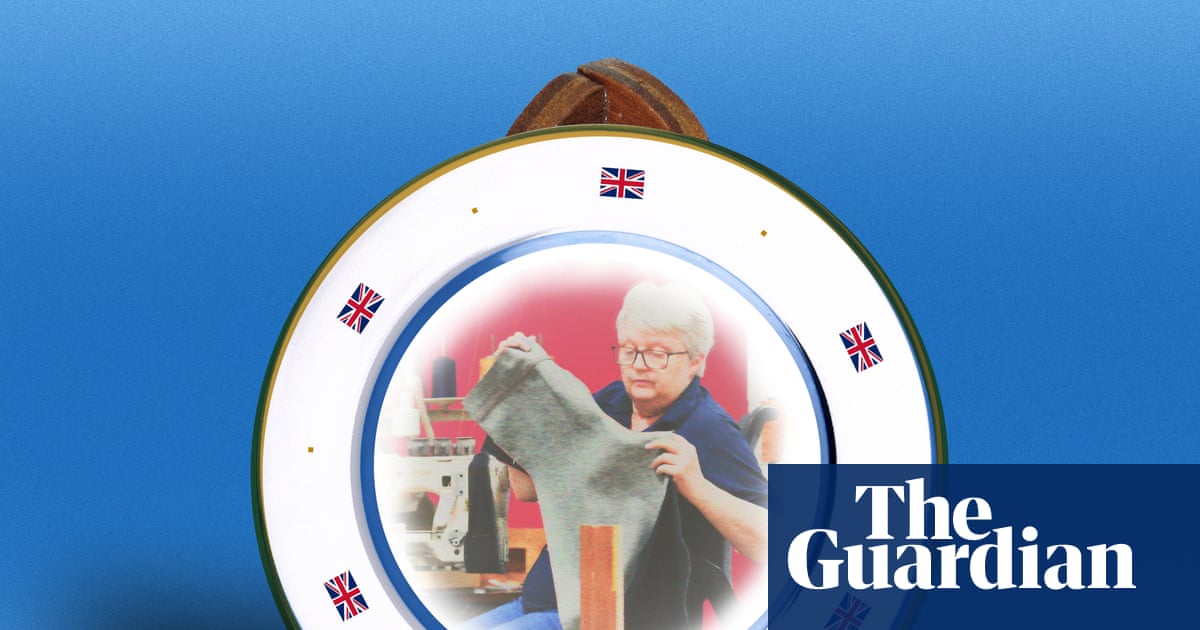
The article uses Birmingham digital agency Pull the Pin as an example of an employer trying to manage the disruption openly. Founder Sam Hufton says staff can start later if they want to watch a game, as long as they are transparent and plan their week so the team knows everyone’s schedule. He says the approach is about morale as well as football, and notes the company has used similar flexibility before, including after England’s Euro 2024 final.
The BBC also notes Scotland has a one-off bank holiday on 15 June to mark its first World Cup appearance since 1998, with NHS Scotland staff and Scottish government employees entitled to the day off. But private businesses are not required to close or grant the extra holiday.
Employment experts quoted in the piece, including CIPD and Acas, advise employers to be clear about expectations and encourage staff to book time off where match schedules or the after-effects could affect performance.
Key points
- Late World Cup kick-offs in the UK are pushing fans to juggle sleep, leave and work commitments.
- Some workers are booking annual leave, while others are asking for flexible hours or remote work.
- BrightHR predicts more than 2.3 million extra sickness absences and UKG estimates £681m in lost productivity.
- One company featured in the article is letting staff start later if they are transparent and plan ahead.
- Scotland has a one-off bank holiday for its World Cup return, but private firms do not have to close.
If employers handle it well, the tournament could improve morale and trust without causing major disruption. Flexible start times and clear planning may let staff enjoy the matches while still keeping work moving.
If workers start calling in sick or arrive tired after late games, employers could lose time and money. The article’s estimates suggest absenteeism and lower productivity could be significant if companies do not plan ahead.