How to make a bestseller: insiders reveal the tricks of the book trade
Insiders from the publishing industry reveal the various strategies employed to turn books into bestsellers, from cover design and retail placement to influencer marketing and blurb copywriting.
Intelligence analysis by Gemini 2.5 Flash
The article explores the intricate methods publishers, booksellers, and marketers use to influence consumer choices in the book market. It highlights how elements like eye-catching cover designs, strategic retail partnerships, and persuasive blurbs are meticulously crafted to capture attention and drive sales, often leading to a homogenization of popular genres.
Imagine a toy store where everyone wants the same kind of toy, like a fluffy unicorn. Toy makers then make all their toys look like fluffy unicorns, even if they're actually robots inside! Book publishers do something similar. They make book covers super bright and exciting, like a shiny wrapper, and write descriptions that make you really want to read them, even if the story inside is a bit different. They do this because big shops tell them what sells best, and they want to make sure lots of people pick up their books.
Analysis
The publishing industry, often perceived as a realm of artistic expression, is fundamentally a business driven by sophisticated marketing and sales strategies. This article peels back the curtain on the "art of persuasion" that dictates which books rise to bestseller status, revealing a calculated approach to consumer engagement.
Jamie Keenan
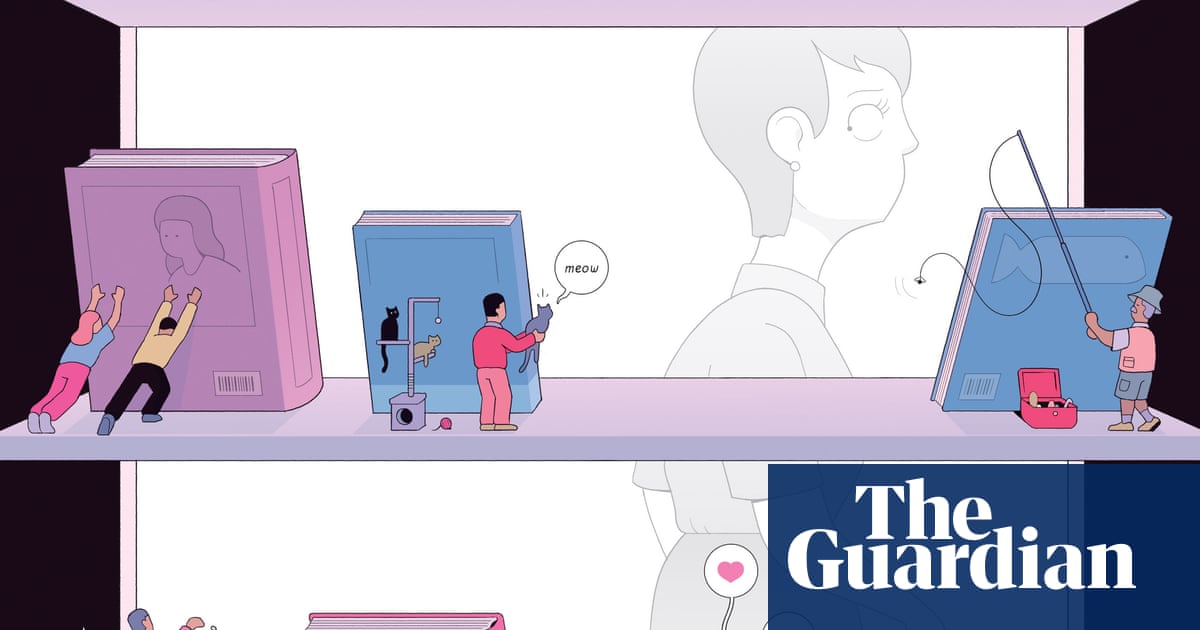
Book cover design, as articulated by leading designer Jamie Keenan, is far from a purely aesthetic endeavor; it's a critical marketing tool. The shift towards "iconic book covers" with simple emblems, bright colors, and large type is a direct response to the prevalence of online browsing, where thumbnail images demand immediate visual impact. This commercial imperative often overrides artistic considerations, with covers frequently focus-grouped and altered at the behest of major retailers.
However, this pursuit of immediate attention has led to a paradoxical outcome: a sea of garish, saturated colors and copycat designs. Authors themselves express frustration, noting that while individual books aim to stand out, the collective effect is often one of blending in, with genres like cosy crime and Japanese fiction adopting highly similar visual tropes. This homogenization suggests a market driven by proven formulas rather than diverse creative expression.
Tesco
The immense clout wielded by major retailers like Tesco and Waterstones significantly shapes publishing decisions. These powerful buyers can demand changes to book covers and influence packaging, effectively dictating what reaches the mass market. Publishers, described as "lemmings" by one copywriter, often follow these trends to secure crucial shelf space and distribution, especially in supermarkets.
This retail influence means that books are frequently "packaged rather differently to how they [really] are]" to align with current market trends. For instance, if cosy crime is selling, even a darker thriller might be rebranded to fit that aesthetic. This commercial pressure underscores the power dynamics between publishers and distributors, where access to consumers often depends on conforming to established retail preferences.
Christopher Booker
Beyond the cover, the blurb is the next critical layer of persuasion, designed to convert a browser into a buyer. Copywriters strategically employ narrative frameworks, such as Christopher Booker's "The Seven Basic Plots," to craft compelling summaries that resonate with popular tastes. The goal is to make a book feel both familiar and fresh, appealing to readers' existing preferences while hinting at novelty.
This strategic blurb writing is particularly evident in how publishers adapt to shifting genre trends. The article notes a transition from "Scandi noir" to "cosy crime" and "Romantasy" as dominant forces, especially with the rise of social media. Copywriters must then frame even potentially darker content to fit the prevailing mood, making death and violence in cosy crime sound like minor inconveniences to appeal to a broader, trend-driven audience. This highlights the industry's responsiveness to perceived reader tastes, even if it means sacrificing some thematic integrity.
Key points
- Publishers use sophisticated persuasion tactics, including cover design, retail placement, and influencer partnerships, to drive book sales.
- Book covers are focus-grouped and often changed at the behest of major retailers like Tesco and Waterstones, who wield significant market power.
- Online browsing has led to a preference for 'iconic' book covers with bright colors and large type, optimized for small thumbnail images.
- Copywriters use frameworks like Christopher Booker's 'The Seven Basic Plots' to craft blurbs that make books appealing and align with current trends.
- The industry shows a tendency towards 'lemming' behavior, with publishers following dominant trends like 'cosy crime' and 'Romantasy' to secure market share.
The strategic marketing and packaging efforts, while sometimes leading to homogenization, ensure that books continue to reach a wide audience and remain commercially viable. This robust approach to sales helps sustain the publishing industry, providing a platform for authors and keeping reading accessible to the public.
The intense focus on market trends and retail demands risks stifling creativity and diversity in publishing, leading to a proliferation of copycat books and a narrowing of reader tastes. This could ultimately diminish the richness of literary offerings and make it harder for unique voices or unconventional stories to find an audience.