How to say ‘tomato sauce’ in Cantonese? Miss Hong Kong hopeful sparks culture debate
A Miss Hong Kong audition clip of mainland contestants struggling in Cantonese sparked criticism online and a wider debate over culture and inclusion.
Intelligence analysis by GPT-5.4 Mini
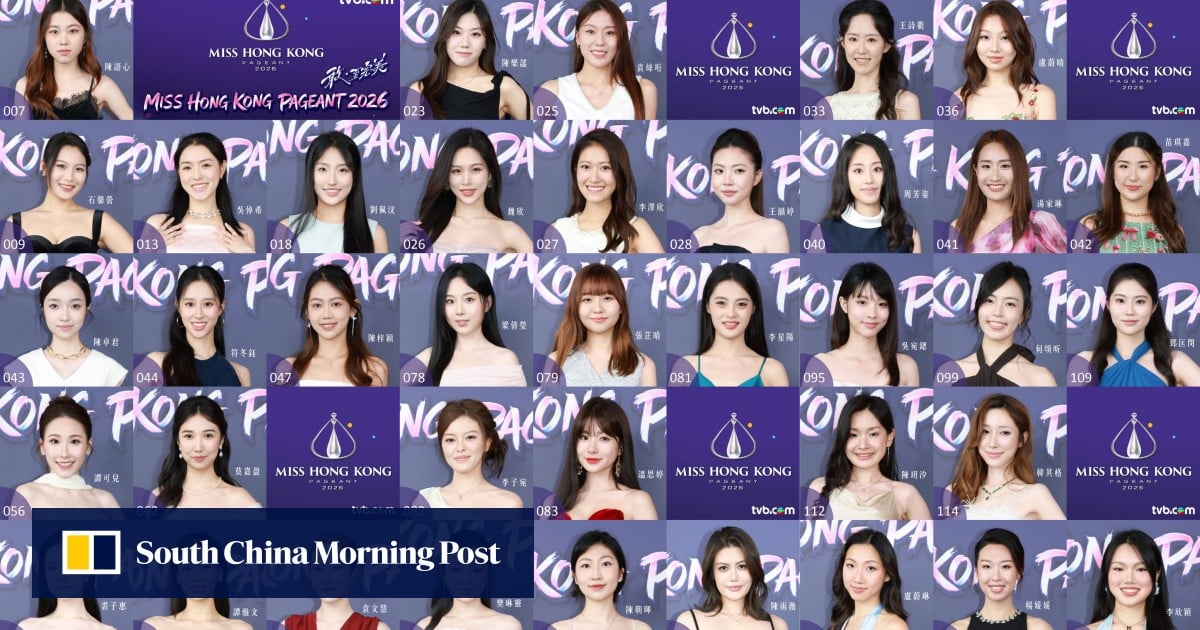
Clips of mainland and overseas hopefuls stumbling through Cantonese during Miss Hong Kong auditions went viral, prompting arguments over whether the pageant should prioritize language fluency or broader representation of Hong Kong identity.
It was like a school talent show where some contestants had to speak in the neighborhood’s special way of talking. When a few stumbled, people argued over whether the show should protect local traditions or welcome newcomers more kindly.
Analysis
What happened
During Miss Hong Kong pageant auditions, a contestant surnamed Wen told judges she was still learning Cantonese and repeatedly tried to pronounce phrases like “tomato sauce” and “beef brisket noodles.” Clips of her audition spread online, where some viewers mocked her pronunciation and questioned why she entered without knowing the city’s language. Another contestant who had returned from the UK also appeared less fluent and asked for questions in English.
Why the reaction was bigger than a pageant
The article frames the backlash as part of a broader debate over identity in Hong Kong. The pageant is a major TVB event, and its contestants are expected to represent the city internationally. That made language fluency feel symbolic to many viewers, not just a practical requirement.
Jesse Shang Hailong, chair of the Hong Kong Top Talent Services Association, argued that Cantonese should be preserved as a Hong Kong trait, but said the public should also be more inclusive because the city is biliterate and trilingual. He added that many mainland arrivals are willing to learn Cantonese even if it is difficult.
Political commentator Sonny Lo Shiu-hing said it was unnecessary to focus only on Cantonese fluency. He suggested the organiser could add more local content, such as education about Hong Kong culture, to make contestants more representative. Former finalist Erica Yuen Mi-ming went further, saying the contest could ask questions about local history and culture and include visits to local businesses and charities so mainland contestants better understand local society.
The larger context
Lo also linked the trend to relaxed eligibility rules and to the growing number of mainland applicants who can now obtain Hong Kong identity cards through study or work channels. The article says 55% of applications this year came from permanent Hong Kong residents, with the rest from the mainland or overseas.
That mix explains why the pageant is becoming a flashpoint: it is no longer only a local beauty contest, but also a stage where Hong Kong’s cultural boundaries are publicly tested.
Key points
- A mainland contestant’s Cantonese struggle during Miss Hong Kong auditions went viral and drew heavy criticism online.
- The debate quickly widened into a discussion about Hong Kong identity, cultural preservation, and inclusion.
- A talent-group leader said Cantonese should be preserved but the public should also be more accommodating.
- A political commentator suggested adding more local-culture content to the pageant instead of judging only language fluency.
- The article says 55% of applications this year came from permanent Hong Kong residents, with the rest from the mainland or overseas.
If the organiser adds local-history questions, cultural visits, or more Hong Kong-focused elements, the contest could better show what the city is like while still welcoming people from elsewhere. The pageant could then preserve Cantonese without turning the auditions into a language gatekeeping test.
If the viral clips keep dominating the conversation, the pageant could become more about mocking accents than judging contestants. That may deepen arguments over identity and make mainland or overseas applicants feel less welcome, even as the organiser tries to broaden participation.