How Trump is using a 1930 law to impose 50% tariffs on Canada, & what this means for the rest of the World
Trump's tariffs on Canada face legal challenges, but the Section 338 Tariff Act of 1930 remains a flexible tool for future use.
Intelligence analysis by Qwen 2.5 (3B)
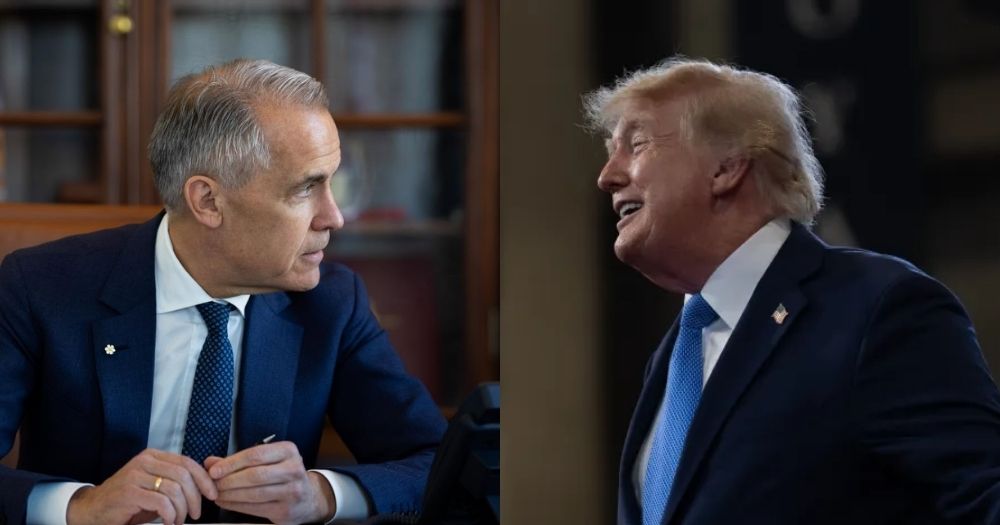
U.S. President Trump is using a nearly century-old law to impose tariffs on Canada, raising concerns about potential future applications.
The Trump administration is using a very old law to make Canada pay more for things coming from them. This law hasn't been tested in court before, so nobody knows if it's allowed. This makes people worried about more trade wars in the future.
Analysis
{"
Section 338 Tariff Act of 1930: The Legal Framework":"The Section 338 Tariff Act of 1930, a nearly century-old law, is being used by the Trump administration to impose tariffs on Canada. This act was originally designed to protect U.S. industry during the Great Depression, but it has never been tested in a court of law. The Trump administration is using this law to justify tariffs on Canada, despite the U.S. Supreme Court ruling it unconstitutional in February 2026.","
Legal Challenges and Uncertainty":"The Trump administration's use of Section 338 raises concerns about the legality of these tariffs. The act has never been tested in court, leaving affected parties, including the Canadian government and businesses, uncertain about the outcome of potential legal challenges. The uncertainty surrounding the legality of these tariffs could lead to further legal battles and potential changes in trade policies.","
Potential for Future Applications":"The Trump administration's use of Section 338 could set a precedent for future trade disputes. The law's flexibility allows the administration to use it as a tool against other countries, including those with whom the U.S. has significant trade relationships. This could lead to further trade wars and challenges to existing trade agreements."}
Key points
- The Trump administration is using a nearly century-old law to impose tariffs on Canada.
- The Section 338 Tariff Act of 1930 has never been tested in court, leaving affected parties uncertain about the legality of these tariffs.
- The Trump administration's use of Section 338 could set a precedent for future trade disputes and challenges to existing trade agreements.
The Trump administration's use of Section 338 could lead to more fair trade negotiations and better trade deals in the future.
The Trump administration's use of Section 338 could lead to more trade wars and make it harder to reach fair trade agreements.