How U.S. attacks on Iran's infrastructure worsened the power crisis
The article says U.S. strikes hit Iran's power grid at a moment of extreme summer heat, deepening blackouts and pressure on households and industry.
Intelligence analysis by GPT-5.4 Mini
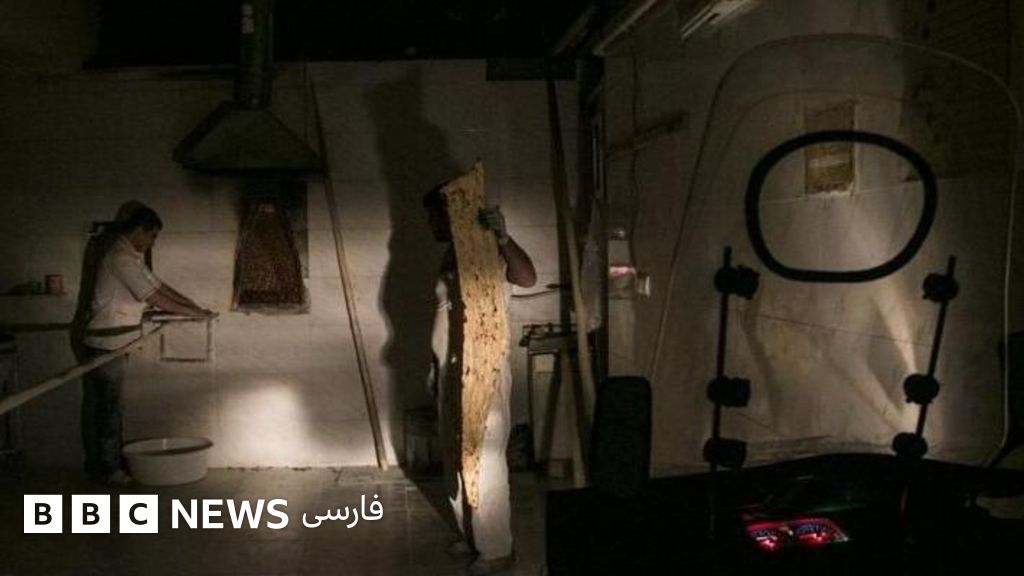
BBC Persian says the attacks damaged more than 2,000 points across Iran's electricity system, including substations, transmission lines and parts of power plants. The result, it argues, was not just a military blow but a faster slide into outages, water disruptions and industrial slowdowns.
The article says Iran's power system was already shaky, and the attacks hit it like kicking a tower of blocks that was almost falling. Because electricity helps run fans, water pumps and factories, one hit caused a lot of everyday trouble.
Analysis
A Grid Hit While It Was Already Stretched
BBC Persian frames the damage as a shock layered onto an already fragile power system. Iran's grid was already dealing with aging plants, weak investment, sanctions, controlled pricing and rising demand, so the strikes landed on top of existing structural stress. That matters because infrastructure damage is harder to absorb when spare capacity is already thin.
The article says the attacks targeted substations, transmission lines, distribution centers and parts of power plants. That combination suggests the disruption was not limited to one node but spread across the system, which helps explain why the effect was felt so quickly in daily life.
When Blackouts Become a Daily-Life Crisis
The piece emphasizes that the timing was especially damaging because much of Iran was facing temperatures above 35C and in some places above 45C. Power cuts then did more than stop lights and fans. In many cities, electricity also drives water pumps, so outages can interrupt water flow in apartment buildings as well.
That makes the crisis feel broader than an energy shortage. It becomes a housing, health and public-services problem at the same time, with cooling, water access and routine urban life all tied to the same vulnerable system.
Why The Economic Damage Could Outlast The Strikes
The article argues that the industrial sector is taking a serious hit, with some factories facing outages lasting up to 12 hours on some days. That can cut output directly, but it also pressures supply chains, transport, public services and even hospitals. In other words, the damage is not confined to power companies; it spreads through the whole economy.
BBC Persian also points to the financial weakness of the sector itself. It cites large debts, unpaid bills, and estimates that Iran may need around $100 billion just to modernize the grid and fuel supply system. If those numbers are even roughly right, the story is not only about repairing war damage but about whether the country has the fiscal room to rebuild resilience at all.
Key points
- BBC Persian says U.S. strikes damaged more than 2,000 points in Iran's electricity network.
- Blackouts worsened during extreme summer heat, with some areas facing temperatures above 45C.
- Power cuts affected water pumps, cooling systems, factories and public services.
- The article says Iran's power sector already faced aging infrastructure, debt and underinvestment.
- Iran is also trying to use electricity trade with neighbors to help cover shortages.
If repairs move quickly and Iran can keep power trade with neighbors working, some of the lost electricity supply could be replaced. The article also suggests that outside imports could help cover part of the shortfall while the damaged grid is repaired.
The bigger risk is that the strikes expose a system that was already short of money, investment and spare capacity. If outages keep worsening, factories, hospitals and households could face longer disruptions, and the financial gap needed for repair and modernization could grow even larger.