Iraq's $60B Energy Deals; Reviving Syria Pipeline to Reduce Dependence on Strait of Hormuz
Iraq has signed multiple agreements with Western energy companies worth over $60 billion to reduce its dependence on the Strait of Hormuz. The deals include the revival of a pipeline to Syria to export Iraqi oil to the Mediterranean.
Intelligence analysis by Llama
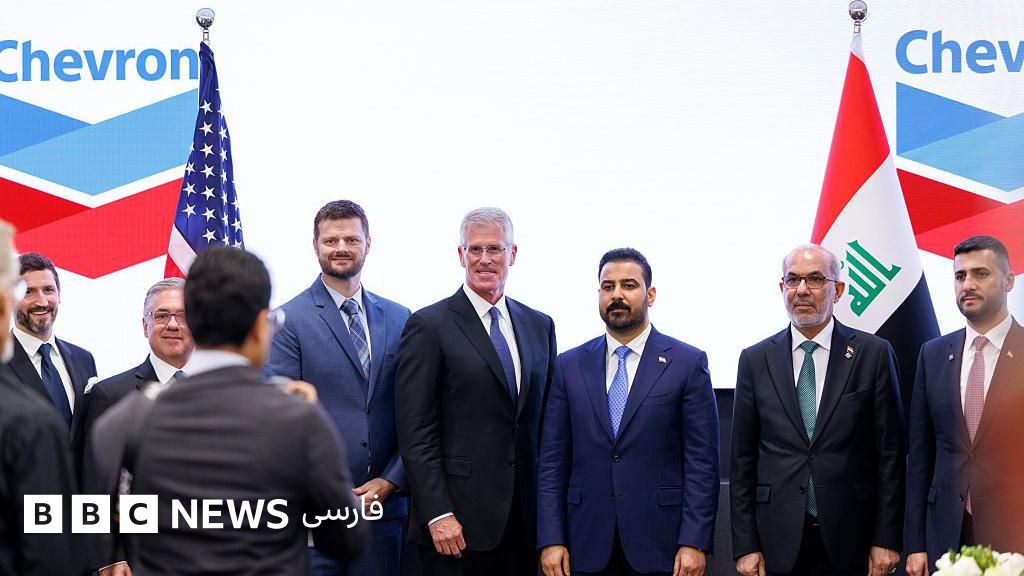
Iraq has signed multiple agreements with Western energy companies worth over $60 billion to reduce its dependence on the Strait of Hormuz. The deals include the revival of a pipeline to Syria to export Iraqi oil to the Mediterranean. This move is seen as a strategic shift for Iraq to diversify its energy exports and reduce its reliance on the Strait of Hormuz.
Iraq is trying to reduce its dependence on the Strait of Hormuz by signing deals with Western energy companies. These deals are worth over $60 billion and will allow Iraq to export its oil to the Mediterranean. This is a big deal for Iraq's economy and energy sector.
Analysis
A $60B Vote of Confidence
Iraq's energy sector has received a significant boost with the signing of multiple agreements worth over $60 billion with Western energy companies. The deals are aimed at reducing Iraq's dependence on the Strait of Hormuz and increasing its energy exports to the Mediterranean. The revival of the Syria pipeline is a key component of this strategy.
The agreements were signed during a five-day visit by Iraqi Prime Minister Ali Zaidi to the United States. The visit was seen as an opportunity for Iraq to strengthen its ties with the US and other Western countries. The energy deals are a significant step in this direction.
The revival of the Syria pipeline is a strategic move to reduce Iraq's dependence on the Strait of Hormuz. The pipeline will allow Iraq to export its oil to the Mediterranean, reducing its reliance on the Strait of Hormuz. This move is seen as a significant shift in Iraq's energy strategy.
The energy deals are also seen as a boost to Iraq's economy. The country has been struggling to diversify its economy and reduce its dependence on oil exports. The energy deals are a significant step in this direction.
The agreements were signed with several Western energy companies, including ConocoPhillips and BP. The deals are worth over $60 billion and are aimed at reducing Iraq's dependence on the Strait of Hormuz and increasing its energy exports to the Mediterranean.
The revival of the Syria pipeline is a key component of this strategy. The pipeline will allow Iraq to export its oil to the Mediterranean, reducing its reliance on the Strait of Hormuz. This move is seen as a significant shift in Iraq's energy strategy.
The energy deals are also seen as a boost to Iraq's economy. The country has been struggling to diversify its economy and reduce its dependence on oil exports. The energy deals are a significant step in this direction.
The agreements were signed during a five-day visit by Iraqi Prime Minister Ali Zaidi to the United States. The visit was seen as an opportunity for Iraq to strengthen its ties with the US and other Western countries. The energy deals are a significant step in this direction.
The revival of the Syria pipeline is a strategic move to reduce Iraq's dependence on the Strait of Hormuz. The pipeline will allow Iraq to export its oil to the Mediterranean, reducing its reliance on the Strait of Hormuz. This move is seen as a significant shift in Iraq's energy strategy.
The energy deals are also seen as a boost to Iraq's economy. The country has been struggling to diversify its economy and reduce its dependence on oil exports. The energy deals are a significant step in this direction.
The agreements were signed with several Western energy companies, including ConocoPhillips and BP. The deals are worth over $60 billion and are aimed at reducing Iraq's dependence on the Strait of Hormuz and increasing its energy exports to the Mediterranean.
The revival of the Syria pipeline is a key component of this strategy. The pipeline will allow Iraq to export its oil to the Mediterranean, reducing its reliance on the Strait of Hormuz. This move is seen as a significant shift in Iraq's energy strategy.
Key points
- Iraq has signed multiple agreements with Western energy companies worth over $60 billion to reduce its dependence on the Strait of Hormuz.
- The deals include the revival of a pipeline to Syria to export Iraqi oil to the Mediterranean.
- The energy deals are a significant step in Iraq's efforts to diversify its economy and reduce its dependence on oil exports.
- The revival of the Syria pipeline is a strategic move to reduce Iraq's reliance on the Strait of Hormuz and increase its energy exports to the Mediterranean.
- The energy deals are worth over $60 billion and are aimed at reducing Iraq's dependence on the Strait of Hormuz and increasing its energy exports to the Mediterranean.
The energy deals between Iraq and Western companies are a positive development for Iraq's economy and energy sector. The revival of the Syria pipeline is a strategic move to reduce Iraq's dependence on the Strait of Hormuz and increase its energy exports to the Mediterranean. This move is expected to boost Iraq's economy and reduce its reliance on oil exports.
The energy deals between Iraq and Western companies come with risks. The revival of the Syria pipeline is a complex project that requires significant investment and infrastructure development. If the project is not executed properly, it could lead to delays and cost overruns, which could negatively impact Iraq's economy and energy sector.
Market signals
- Oil The revival of the Syria pipeline is expected to increase Iraq's energy exports to the Mediterranean, which could lead to an increase in global oil prices.
AI-generated analysis of potential market relevance. Not financial advice.