Huawei, with an eye on self-reliance, ploughs 25% of revenue into R&D at expense of profits
Huawei invested over a quarter of its first-half revenue into research and development, leading to a 36% drop in net profit, despite a 9.55% revenue increase driven by smartphones and AI chips.
Intelligence analysis by Gemini 2.5 Flash
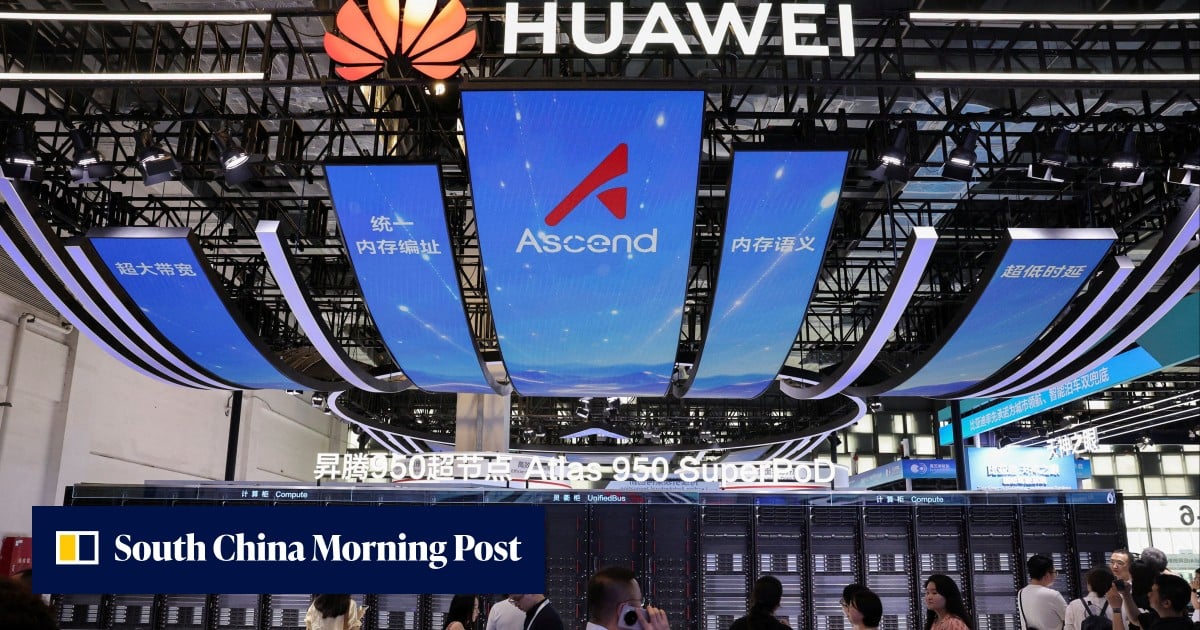
Huawei is prioritizing long-term technological independence by significantly increasing its R&D spending, even if it means sacrificing short-term profits. This strategy is bolstered by strong performance in its smartphone division and growing demand for its AI processors, indicating a focused effort on self-reliance amidst a challenging global tech landscape.
Imagine a big company named Huawei that makes phones and other tech stuff. They're spending a huge chunk of their money, like a quarter of their allowance, on inventing new things and making their own parts so they don't have to rely on others. This makes them less money right now, like when you save up for a big toy instead of buying small ones, but they hope it will make them super strong and independent in the future, especially with cool new smart computer brains called AI chips.
Analysis
Huawei's recent financial disclosures reveal a strategic pivot towards aggressive research and development, committing over a quarter of its first-half revenue to R&D. This substantial investment, totaling 121.4 billion yuan, underscores the company's unwavering focus on achieving technological independence, particularly in the face of ongoing geopolitical pressures and supply chain challenges. While this strategy has led to a significant 36 per cent decline in net profit for the first half of the year, marking the second consecutive period of such a downturn, it is framed as a necessary trade-off for long-term resilience and innovation. The company's revenue, however, saw a healthy 9.55 per cent increase, reaching 467.8 billion yuan, driven primarily by a robust rebound in its smartphone business and escalating demand for its artificial intelligence processors. This dual trend highlights Huawei's capacity to generate substantial revenue even as it channels a large portion back into foundational research.
25% Revenue
Huawei's decision to allocate more than 25 per cent of its first-half revenue to research and development is a clear signal of its strategic priorities. This aggressive spending, which saw R&D expenses jump by 25 per cent year-on-year, indicates a long-term vision that prioritizes technological self-sufficiency over immediate financial gains. The company appears willing to absorb short-term profit reductions to build a more robust and independent technological foundation.
The substantial investment is not merely about maintaining existing capabilities but also about pioneering new ones, especially in critical areas like artificial intelligence. By dedicating such a significant portion of its earnings to R&D, Huawei aims to reduce its reliance on external suppliers and develop proprietary solutions across its diverse product portfolio. This commitment is expected to bolster its competitive edge in the global tech landscape, particularly in segments like AI chips and advanced telecommunications infrastructure, where innovation is paramount.
121.4 billion yuan
The sheer scale of Huawei's R&D expenditure, reaching 121.4 billion yuan (US$18 billion) in the first half of the year, demonstrates the company's profound commitment to innovation. This figure represents a massive financial outlay, reflecting the extensive resources being poured into various research initiatives. Such an investment is indicative of a comprehensive strategy to develop cutting-edge technologies internally, spanning from fundamental scientific research to applied engineering in areas like advanced materials, software, and semiconductor design.
This significant financial commitment also highlights the high costs associated with achieving technological independence in today's complex global environment. Developing advanced AI processors and next-generation smartphone components requires substantial capital, talent, and time. The negative operating cash flow of 39.9 billion yuan, a stark contrast to the positive inflow in the previous year, further underscores the intensity of this investment phase, suggesting that the company is heavily reinvesting its earnings and potentially drawing on reserves to fuel its ambitious R&D agenda.
Shenzhen
As a Shenzhen-based giant, Huawei's strategic decisions have broader implications for China's technological ambitions. The company's relentless pursuit of self-reliance through massive R&D investment aligns with Beijing's national strategy to foster indigenous innovation and reduce dependence on foreign technology. Huawei serves as a key player in this national endeavor, with its successes and challenges often reflecting the broader trajectory of China's tech industry.
The company's operational base in Shenzhen, a hub for technological innovation, provides it with access to a vast ecosystem of talent, suppliers, and research institutions. This geographical advantage, combined with its strategic R&D focus, positions Huawei to continue playing a pivotal role in shaping the future of global technology, particularly in areas like 5G, AI, and cloud computing. The company's ability to rebound in smartphone shipments and meet demand for AI chips, despite external pressures, further solidifies its importance within both the domestic and international tech spheres.
Key points
- Huawei invested over 25% of its first-half revenue, 121.4 billion yuan (US$18 billion), into R&D.
- First-half net profit plunged 36% to 23.8 billion yuan, marking the second consecutive year of decline.
- Revenue for the period rose 9.55% to 467.8 billion yuan, driven by smartphone rebound and AI chip demand.
- Net operating cash flow swung to a negative 39.9 billion yuan from a positive inflow last year.
- The company prioritizes long-term technological independence over short-term earnings.
Huawei's aggressive R&D investment could lead to significant technological breakthroughs, strengthening its position in critical areas like AI chips and smartphones. This strategy may secure long-term self-reliance and competitiveness, allowing the company to thrive independently of external supply chain vulnerabilities.
The substantial decline in net profit and negative operating cash flow indicate significant financial strain from Huawei's R&D-heavy strategy. If these investments do not yield commercially viable innovations quickly enough, the company could face prolonged profitability challenges and financial instability.