Huawei’s new Kirin chip puts LogicFolding to the test, with bigger ambitions in AI
Huawei has launched its new Kirin 9050 Pro chip, featuring LogicFolding architecture, as a strategy to bypass US technology sanctions by layering circuits to boost performance without advanced lithography equipment.
Intelligence analysis by Gemini 2.5 Flash
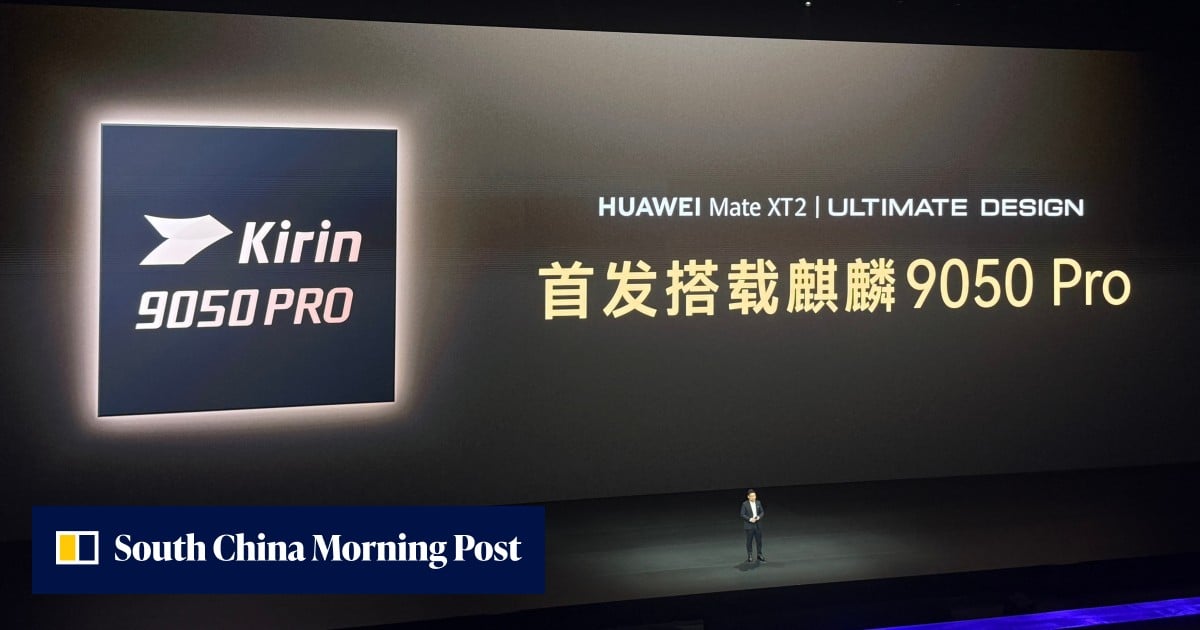
Huawei's latest Kirin 9050 Pro mobile processor, powering its new Mate XT 2 trifold smartphone, employs a novel LogicFolding architecture to enhance computing power. This innovative approach, which involves layering circuits, is a direct response to US export controls, allowing the Chinese tech giant to improve chip performance without relying on the world's most advanced chipmaking t…
Imagine building a super-fast toy car, but you can't get the smallest, most powerful engine. So, instead of making the engine tiny, you figure out a clever way to stack two slightly bigger engines on top of each other, making them work together like one super engine. That's what Huawei did with its new phone brain, called Kirin 9050 Pro. It stacks tiny computer parts in a special way to make phones faster, even though they can't get the absolute newest tools to make parts super, super small.
Analysis
Huawei Technologies has introduced its Kirin 9050 Pro, a flagship mobile processor that represents a significant strategic move in the face of ongoing US technology sanctions. This new chip is the first commercial product to incorporate Huawei's proprietary LogicFolding architecture, a design philosophy aimed at extracting greater computing power from existing semiconductor designs. The company states that the Kirin 9050 Pro delivers a 42 percent performance increase over its predecessor, alongside improved power efficiency, demonstrating a tangible impact of this innovative approach.
Kirin 9050 Pro
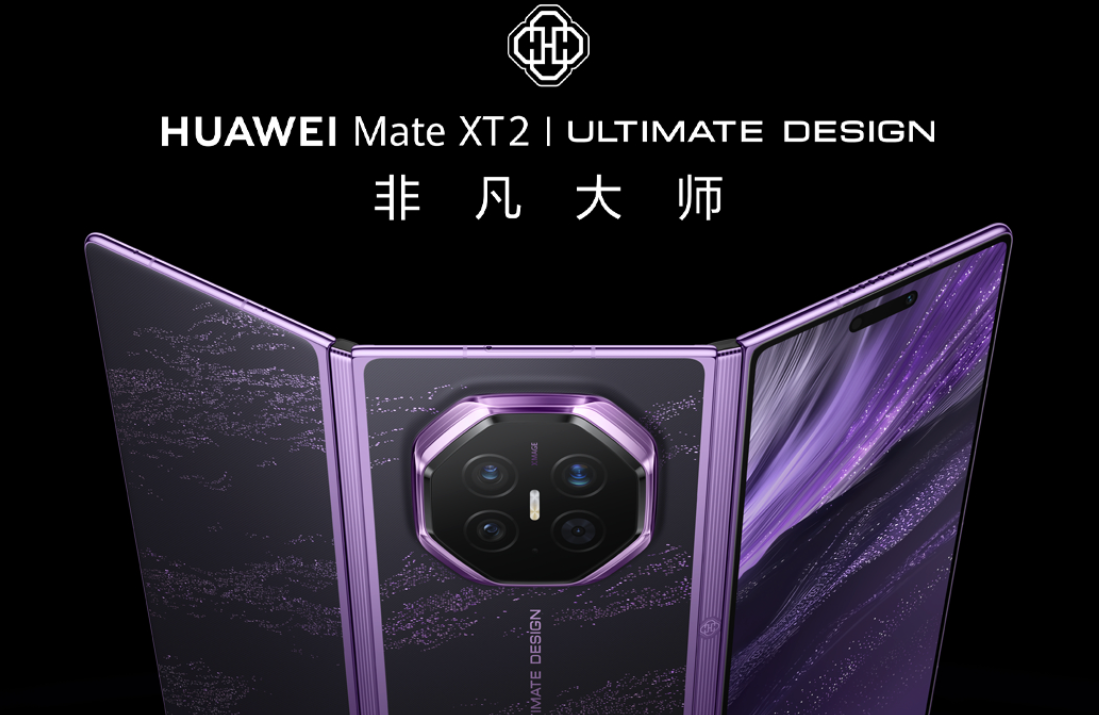
The Kirin 9050 Pro is more than just a new processor; it serves as a high-stakes test for Huawei's ability to innovate around severe trade restrictions. Powering the new Mate XT 2 trifold smartphone, the chip's performance leap is critical for Huawei to remain competitive in the high-end mobile device market. This launch underscores Huawei's commitment to developing domestic technological solutions and reducing its reliance on foreign advanced manufacturing capabilities.
The chip's success or failure will have broader implications for Huawei's long-term ambitions, especially in the burgeoning field of artificial intelligence. By proving that significant performance gains can be achieved through architectural innovation rather than solely through miniaturization, Huawei could carve out a unique niche in the global semiconductor landscape.
LogicFolding
LogicFolding represents a sophisticated form of 3D integration, but with a crucial distinction. While traditional 3D stacking often involves layering largely self-contained dies, Huawei's LogicFolding splits core computing functions across two active layers designed to operate as a single, cohesive unit. This method allows for a more integrated and potentially more efficient use of stacked silicon, aiming to maximize performance within the constraints of available manufacturing technology.
According to Leslie Wu, CEO of semiconductor consultancy RHCC, LogicFolding is primarily a "compensatory route – a choice born of external constraints." This highlights the strategic necessity behind the innovation, rather than it being a purely economic or performance-driven choice in an unrestricted market. The architecture is a testament to Huawei's engineering prowess in adapting to challenging geopolitical circumstances.
US Export Controls
The impetus for Huawei's LogicFolding architecture directly stems from US export controls, which have blocked the company's access to the world's most advanced lithography equipment. These sanctions have forced Huawei to pivot its research and development efforts towards alternative methods of boosting chip performance, such as advanced packaging and architectural workarounds. The Kirin 9050 Pro is a direct outcome of this strategic shift.
However, this approach is not without its challenges. Bonding two active silicon layers, as required by LogicFolding, involves complex manufacturing steps, including precise wafer thinning and microscopic vertical wiring. These complexities can weigh on factory yields, potentially increasing production costs and limiting scalability. For global chipmakers with access to leading-edge manufacturing equipment, the economics of LogicFolding may be less compelling, as they can achieve similar or superior performance gains through simpler, more cost-effective transistor miniaturization.
Key points
- Huawei launched the Kirin 9050 Pro chip, featuring its new LogicFolding architecture.
- LogicFolding aims to boost chip performance by layering circuits, circumventing US export controls on advanced lithography.
- The new chip powers Huawei's Mate XT 2 trifold smartphone and delivers a 42% performance leap over its predecessor.
- Analysts describe LogicFolding as a "compensatory route" born of external constraints.
- The approach involves complex manufacturing steps like wafer thinning and vertical wiring, which can impact factory yields.
Huawei's LogicFolding innovation could enable it to maintain competitiveness in the smartphone and AI chip markets despite sanctions, fostering domestic technological self-sufficiency and potentially inspiring new chip design paradigms. This could lead to a more diversified global semiconductor industry, less reliant on a single manufacturing approach.
The complex manufacturing steps and potential impact on factory yields associated with LogicFolding could make it less economically viable or scalable compared to traditional methods. This might limit its long-term effectiveness in closing the performance gap with global leaders who have access to advanced lithography, potentially hindering Huawei's broader AI ambitions.