Human activity linked to 4 of 29 cetacean deaths in Hong Kong waters: report
A Hong Kong report found 4 of 29 cetacean deaths last year were suspected to involve human activity, while total strandings fell from 2024.
Intelligence analysis by GPT-5.4 Mini
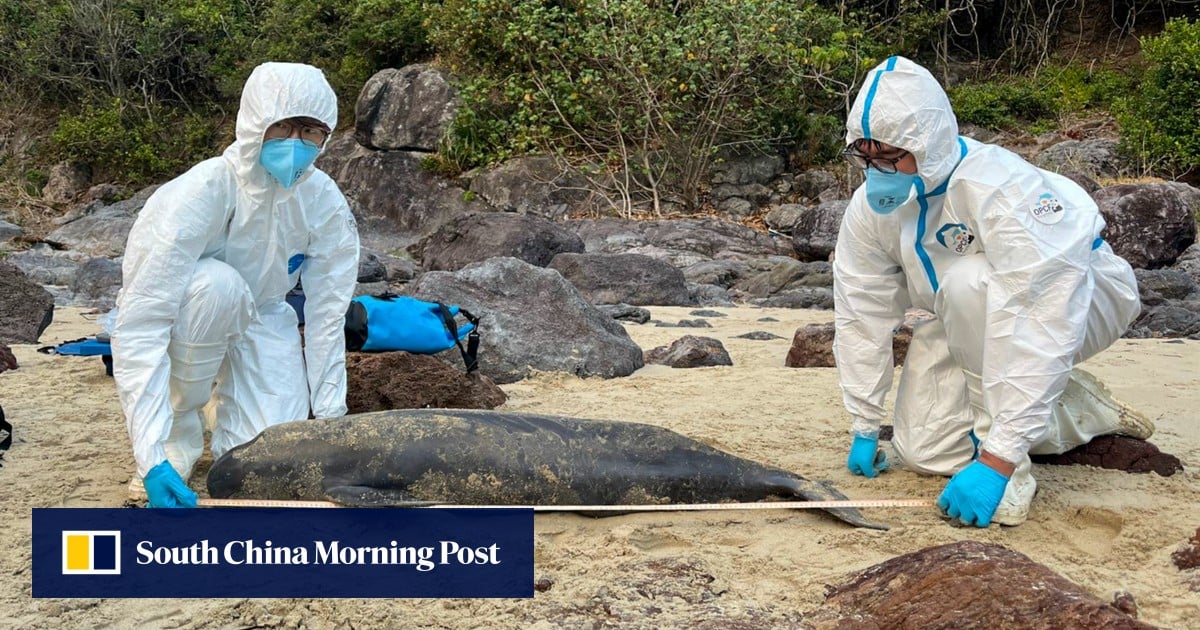
Hong Kong’s annual marine life stranding report says cetacean strandings declined last year, but human activity was still suspected in four deaths. The report also says most carcasses were too decomposed for clear diagnosis, limiting what investigators could learn.
Hong Kong keeps a yearly count of whales, dolphins, and porpoises that wash up on shore. Last year there were fewer than the year before, but some deaths may still have been caused by people, like a detective story where the clues are often washed away.
Analysis
What the report says
Hong Kong recorded 29 cetacean strandings in 2025, down from 41 in 2024, according to the Hong Kong Marine Life Stranding Report 2025 released by the Ocean Park Conservation Foundation and the Agriculture, Fisheries and Conservation Department. Of those 29 cases, four were suspected to be linked to human activity, a slight drop from six in the previous year.
Why the findings are limited
The report says about 70 per cent of the carcasses were already badly decomposed by the time they were found. Hong Kong’s heat and humidity make it harder to diagnose causes of death, which limits how much investigators can conclude from each stranding.
What is still unclear
The latest statement did not spell out which human activities may have been involved. It also said one anthropogenic death was attributed to a suspected bacterial or parasitic infection, underscoring that the evidence can be ambiguous and that not every case has a neat explanation.
The longer context
The response team behind the report has been operating since 2006 and has recorded more than 700 cetacean stranding cases in the city. That makes the annual report more than a simple count: it is also a running record of the conditions facing marine life in Hong Kong waters. The broad message is that strandings remain a recurring conservation issue, even if the total number fell year on year.
Key points
- Hong Kong recorded 29 cetacean strandings in 2025, down from 41 in 2024.
- Four deaths were suspected to be linked to human activity, down from six the year before.
- About 70% of carcasses were too decomposed for strong diagnostic conclusions.
- The stranding response team has operated since 2006 and has recorded more than 700 cetacean cases.
- The report did not specify which human activities were involved.
The decline in strandings from 41 to 29 suggests the overall situation improved somewhat last year. The long-running response team can keep turning each case into data, which may help people understand and protect Hong Kong’s marine life better.
Most carcasses were too decomposed to diagnose clearly, so many deaths may remain unexplained. If human activity continues to affect cetaceans but the causes stay unspecified, it will be harder to target the right protections.