Hydrological horror in Hormozgan and America’s infinite regress to barbarism
Tehran Times says U.S. strikes hit water infrastructure in Sirik, cutting off thousands in southern Iran and risking wider escalation.
Intelligence analysis by GPT-5.4 Mini
The article argues that destroying water systems in Hormozgan was a deliberate attack on civilian survival, not a military necessity. It frames the strikes as part of a broader U.S.-Israeli pattern of targeting infrastructure and warns that continued pressure could trigger harsher Iranian retaliation.
The article says someone broke water tanks that many families depended on, like cutting the only hose to a neighborhood garden. It warns that if water and power systems keep getting attacked, more people could suffer and the conflict could spread.
Analysis
What the article says
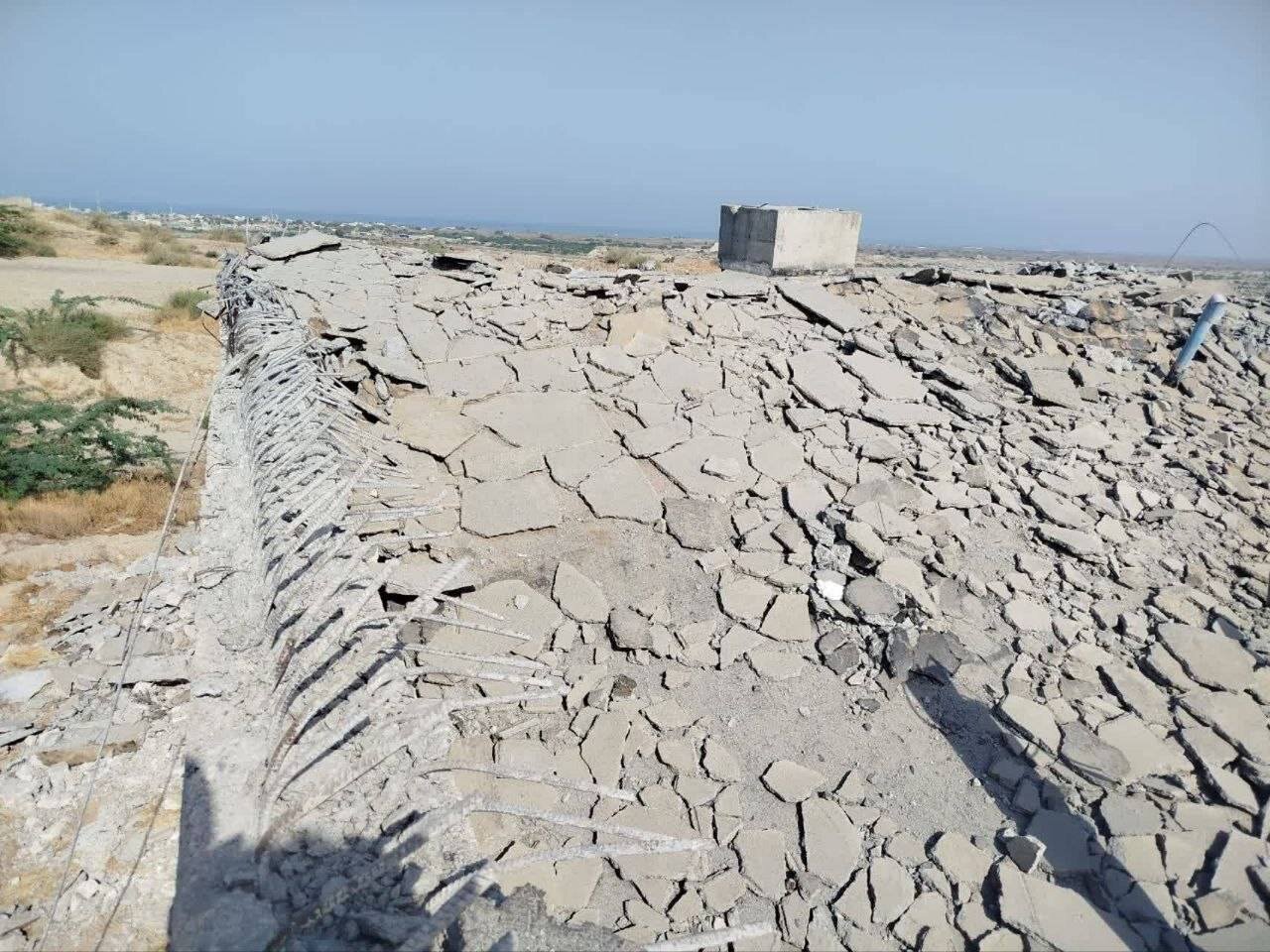
Tehran Times says two concrete water tanks in Sirik, along with related facilities, were destroyed in southern Hormozgan province, cutting off water for more than 20,000 people in Kohestak and ten villages in the Bomani district. It quotes Abdolhamid Hamzehpour of Hormozgan Water and Wastewater Company as saying the destruction left residents without water in extreme heat.
The paper’s argument
The article treats the strike as a deliberate attack on an indispensable civilian asset and says that, under Article 54 of Additional Protocol I to the Geneva Conventions, such infrastructure should not be targeted. It argues that the U.S. relies on a “dual-use” justification that, in the paper’s view, expands military logic until civilian life itself is erased from protection.
Wider framing
The piece links Sirik to a longer history of U.S. attacks on water systems, citing Iraq in 1991 and sanctions that blocked chlorine imports. It also says Israel applies a similar approach through the Dahiya doctrine and claims this pattern has also affected Iranian energy, pharmaceutical, steel, and desalination sites. The article further repeats claims about strikes on a school in Minab and a bridge in Karaj, and says U.S. officials have threatened additional strikes on energy infrastructure and bridges.
Bottom line
The story is written as an accusation that civilian dehydration is being used as leverage, and it warns that if attacks on Iranian infrastructure continue, Iran may answer with broader retaliation under its right of self-defense.
Key points
- Tehran Times says water tanks in Sirik were destroyed, affecting more than 20,000 people in southern Hormozgan.
- The article argues the strike targeted civilian infrastructure essential for survival and cites international humanitarian law.
- It claims the U.S. uses a broad dual-use rationale that erases the civilian-military distinction.
- The piece links the incident to past U.S. attacks on water systems in Iraq and to Israeli infrastructure-strike doctrine.
- It warns that continued attacks on Iranian infrastructure could trigger stronger Iranian retaliation.
If attacks on civilian infrastructure stop, damaged water systems could be repaired and residents in the affected villages could regain access to a basic necessity. A pause in escalation could also leave more room for diplomacy and reduce the risk of broader regional retaliation.
If the strikes continue, the article suggests that civilian shortages, especially water shortages, could deepen in already hot and vulnerable areas. It also warns that further attacks on infrastructure could prompt wider Iranian retaliation and expand the conflict across the region.