Hyperliquid pulls back from record highs as Arthur Hayes exits position shy of $150 price target
HYPE fell about 10% after Arthur Hayes said he sold his entire position, even after recently backing a much higher target. The token remains one of crypto's strongest performers this year.
Intelligence analysis by GPT-5.4 Mini
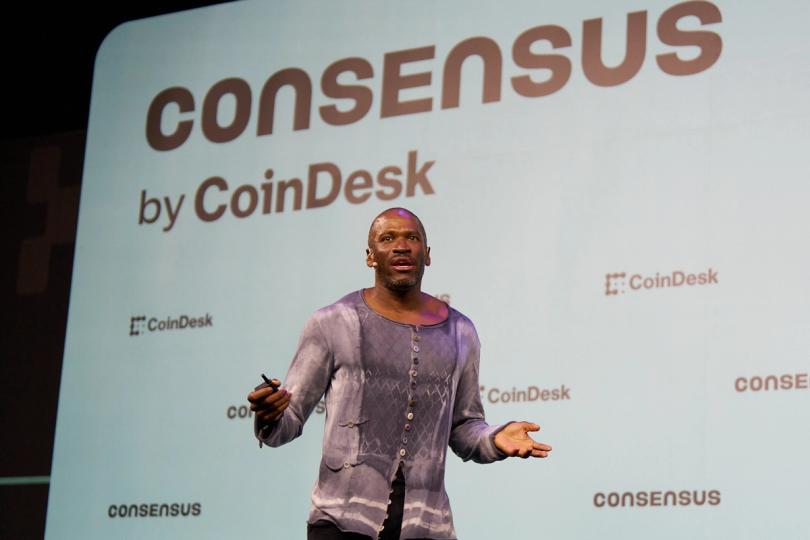
Hyperliquid's HYPE slid from record highs after Arthur Hayes disclosed he had dumped his HYPE and NEAR holdings, reversing a position he had recently defended with a $150 target. The move sparked backlash, while analysts said the token's run had become stretched in the short term.
A popular coin called HYPE had been rising fast, like a bike speeding downhill. Then a famous investor said he sold his coins to lock in gains, so the price wobbled. The bike is still far ahead for the year, but some people think it was going too fast.
Analysis
What happened
Hyperliquid’s HYPE token lost about 10% after Arthur Hayes said on X that he had sold his entire HYPE position, along with NEAR, only days after repeating a $150 price target for HYPE. The token fell back to around $67 from highs near $75, though it remained up more than 70% since mid-May.
Why Hayes sold
Hayes said the sale was driven by caution on the broader market rather than a rejection of Hyperliquid itself. He pointed to rising oil prices tied to the Iran conflict, a wave of upcoming AI IPOs, and his view that financial markets could peak between now and September. He framed the move as taking profits.
Why traders reacted strongly
The exit drew backlash because Hayes had been one of Hyperliquid’s most visible bulls. The article notes that he had recently reiterated the $150 target and, in March, outlined a path for HYPE to get there. Several traders questioned the value of treating his market calls as tradable signals.
The fundamental backdrop
Even after the pullback, HYPE remains one of the year’s best performers, up roughly 167% year to date. Hyperliquid runs an onchain perpetual futures exchange with a transparent order book, and the platform has taken meaningful share, with about $40 billion in weekly perp volume and $1 billion in spot assets. Markus Thielen of 10xResearch said the business is impressive, citing roughly 77% gross margins, onchain infrastructure, and a token buyback program funded by protocol revenue. Still, he argued the rally had become overheated at recent prices, especially with protocol revenue below its peak and a token unlock due in June.
Key points
- HYPE fell about 10% after Arthur Hayes said he sold his entire position.
- Hayes said macro risks, including oil prices and AI IPOs, drove him to take profits.
- The token had recently hit record highs and remained up roughly 167% year to date.
- 10xResearch said Hyperliquid's fundamentals are strong, but the short-term valuation looked overheated.
- A June token unlock could add selling pressure if momentum cools.
If trading activity stays strong, Hyperliquid’s revenue and token buybacks could keep supporting the long-term case for HYPE. The article says new products and a recovery in volume could still justify much higher prices later.
The near-term risk is that the rally was already stretched, making the token vulnerable to profit-taking and weaker sentiment after a high-profile sale. The upcoming token unlock could add more selling pressure if demand does not keep pace.