‘I pay a lot more for fewer and fewer items’: five US shoppers on their food budgets
Five US shoppers detail their struggles with rising food prices, leading to significant budget adjustments and anxiety.
Intelligence analysis by Gemini 2.5 Flash Lite
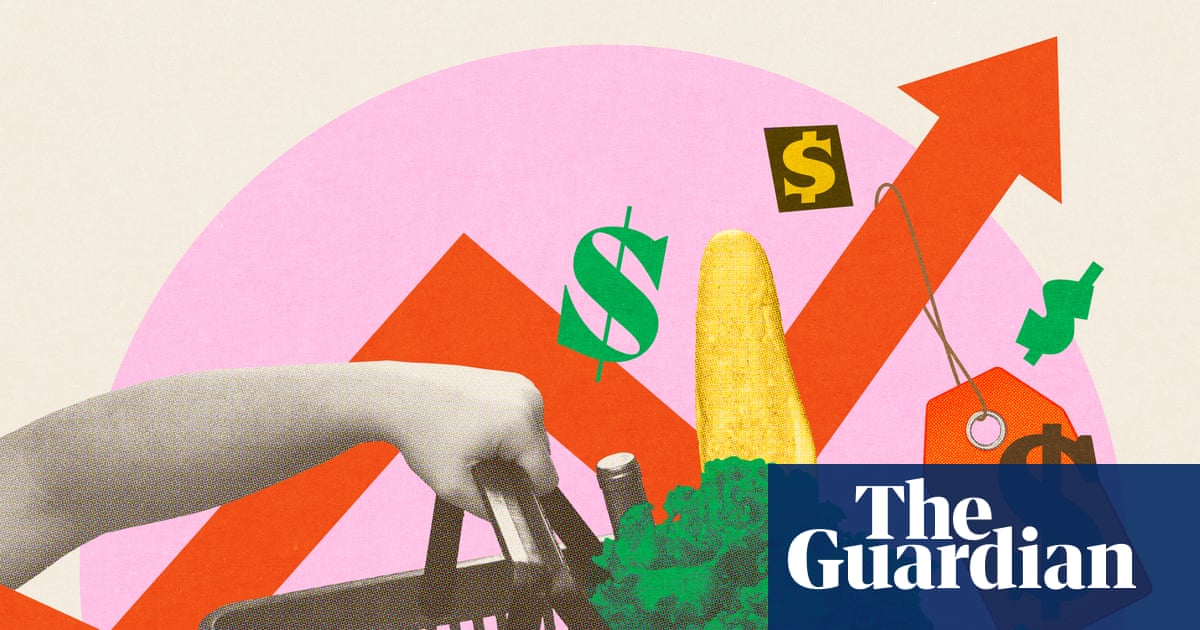
US consumers are facing escalating grocery costs, forcing many to make drastic changes to their diets and shopping habits. Despite political promises, prices remain high, impacting household budgets and causing emotional distress for shoppers.
Imagine your favorite snacks suddenly cost twice as much, and you can't buy as many. That's happening to many families in the US. They have to choose cheaper foods, eat less, or skip meals because groceries are so expensive, making them feel worried and sad.
Analysis
Rising Food Costs and Consumer Behavior
The persistent increase in food prices across the United States is forcing consumers to adopt a range of cost-saving measures, fundamentally altering their purchasing habits and dietary patterns. This phenomenon is not isolated to low-income households; individuals across various income brackets are reporting significant shifts in their grocery spending. For instance, Erin Hutchins, an unemployed individual in Maine, dedicates 75% of her $15,600 annual income to food, spending approximately $300 monthly. Her reliance on online grocery delivery, coupled with the loss of SNAP benefits, exacerbates her situation, leading to higher costs and spoiled perishables. She resorts to eating minimal meals, prioritizing one full meal a day, and limiting dining out to rare social occasions.
Frances Sabahive, from a larger household with an income of $123,000, spends around $1,200 on groceries monthly. Her family has significantly reduced beef consumption due to high prices, opting for chicken and turkey instead. They have also cut back on name-brand snacks and organic vegetables, shifting towards bulk purchases from discount retailers like Aldi and Walmart, and ceasing the use of a secondary refrigerator to save on electricity. This strategic shift reflects a broader trend of prioritizing affordability and bulk buying over brand preference or premium options, demonstrating a calculated response to economic pressures.
Impact on Diet and Well-being
The economic strain is directly impacting the nutritional quality and variety of food available to families. Bee Henderson, a contract worker with a household income of $100,000, spends $500-$600 on groceries for three adults. Her family has transitioned from buying more poultry and meat to relying on cheaper protein sources like beans, tofu, eggs, and fish. Fresh produce has largely been replaced by frozen alternatives, and individuals with dietary restrictions, like gluten and lactose intolerance, are skipping meals due to the prohibitive cost of specialized foods. This dietary compromise not only affects physical health but also contributes to emotional distress, as shoppers like Hutchins express feelings of sadness, depression, and anxiety over their inability to afford adequate food.
The reduction in food assistance programs, such as the reported loss of SNAP benefits for some individuals, further compounds these challenges. The article implicitly suggests that a combination of factors, including supply chain disruptions, geopolitical conflicts (Ukraine and Iran), and climate-related issues, are contributing to this inflationary environment. The political promises to lower food prices have not materialized, leaving consumers to navigate an increasingly difficult economic landscape where basic necessities are becoming a significant financial burden.
Broader Economic and Social Implications
The widespread struggle to afford groceries signifies a critical economic challenge for a large segment of the US population. When over half of Americans report difficulty in affording food, it points to systemic issues that extend beyond individual budgeting. The article touches upon the rising costs of other essentials, such as electricity bills and mortgages, indicating a broader inflationary environment that squeezes household finances from multiple angles. This situation can lead to increased food insecurity, potential public health consequences related to malnutrition or poor diet, and a general decline in consumer confidence and economic stability.
The reliance on discount retailers and bulk purchasing, while a necessary adaptation, can also lead to a homogenization of diets and a reduction in access to diverse, nutrient-rich foods. The emotional toll described by shoppers—feelings of sadness, depression, and anxiety—underscores the psychological impact of economic hardship. This narrative highlights the urgent need for effective economic policies that address the root causes of food inflation and provide adequate support for vulnerable populations, ensuring that access to affordable, nutritious food remains a reality for all Americans.
Key points
- Over half of Americans are struggling to afford groceries due to rising prices.
- Shoppers are making significant changes, including buying less meat, opting for cheaper brands, and reducing fresh produce.
- Loss of SNAP benefits and increased delivery fees exacerbate financial difficulties for some.
- High food costs contribute to emotional distress, including sadness, depression, and anxiety.
- Broader economic pressures like increased utility bills and mortgage payments compound the food budget challenges.
If food prices stabilize or begin to decrease, consumers could regain purchasing power, allowing for more varied and nutritious diets. This could alleviate financial stress on households and improve overall well-being.
Continued high food prices could lead to increased food insecurity, greater reliance on less nutritious food options, and escalating financial and emotional distress for a significant portion of the US population.