IAEA board passes anti-Iran resolution despite objections
The IAEA board adopted a resolution on Iran despite opposition from Tehran, Russia, China and Niger. Iran says the move ignores the recent attacks on its nuclear sites.
Intelligence analysis by GPT-5.4 Mini

The IAEA Board of Governors approved a resolution pressing Iran for information on damaged nuclear sites and enriched uranium. Tehran and its allies say the measure is political, ignores US and Israeli strikes, and could further harm diplomacy.
The IAEA is like a referee checking a nuclear game. Iran says the referee is blaming the player who got hurt after the other side broke the rules, while the other side says it still needs answers about missing pieces.
Analysis
What happened
The IAEA Board of Governors adopted a resolution on Iran by 21 votes in favor, three against, and 10 abstentions. The text asks Iran to provide information on the status of nuclear facilities hit in recent military attacks and on the location of enriched uranium that had been stored there.
Tehran’s response
Iran and its allies described the move as politically motivated and harmful to diplomacy. Tehran argues the resolution focuses on the consequences of the attacks while ignoring what it calls the root cause: the US and Israeli strikes on safeguarded nuclear facilities. The article says Iran sees that as a clear violation of international law.
Wider diplomatic fight
Ahead of the vote, Iran, China and Russia issued a joint statement in Vienna rejecting the draft and warning against politicizing the agency. They argued that Iran’s safeguards obligations under the NPT should not be tied to UN Security Council Resolution 2231, which they say expired on October 18, 2025. They also said efforts by Britain, France and Germany to trigger snapback lack legal validity.
Iranian allegations and warnings
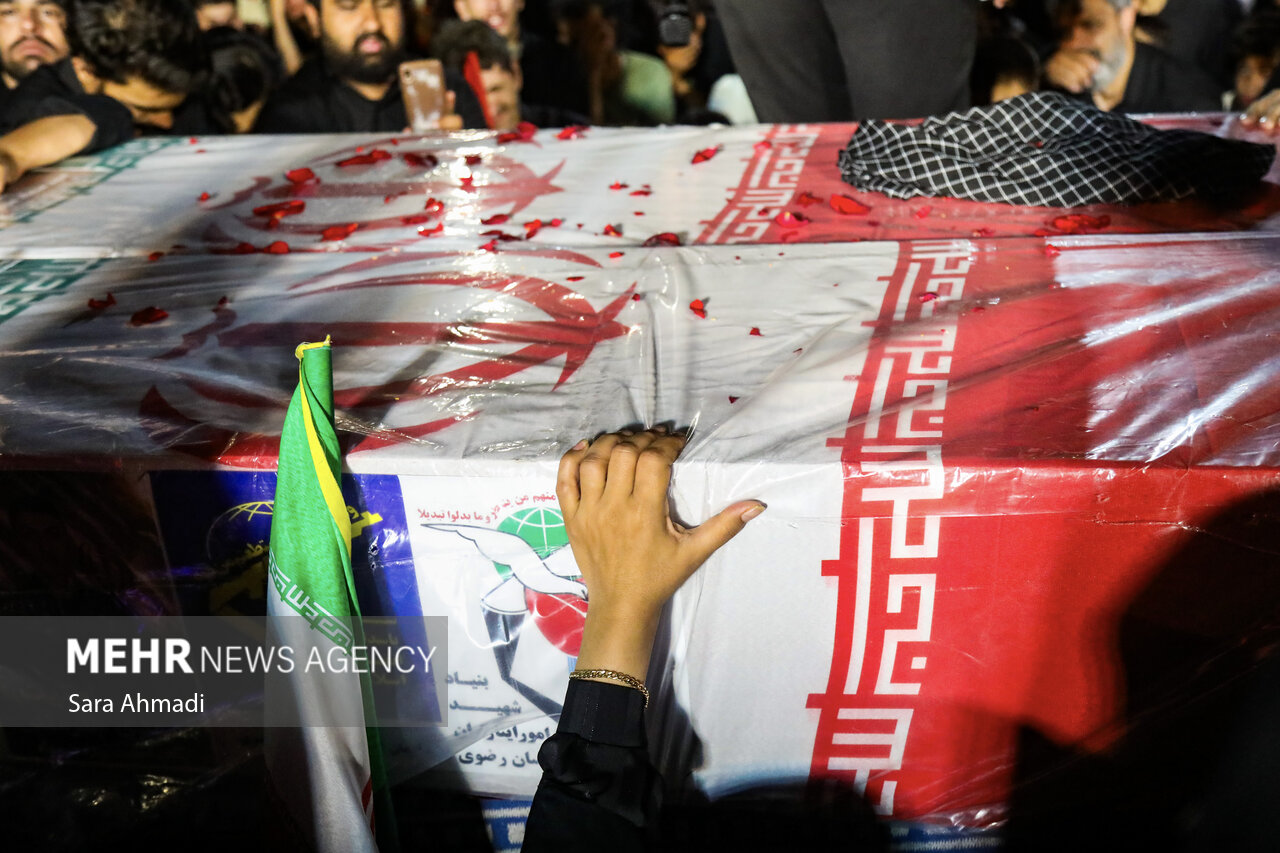
Foreign Minister Abbas Araghchi sent letters urging member states not to let the IAEA become a political tool for the United States. He said a June 2025 Board resolution was followed by US and Israeli attacks on Iranian nuclear facilities, with casualties and damage. Deputy Foreign Minister Kazem Gharibabadi wrote on X that the resolution is an attempt to shift responsibility away from aggressors and onto Iran.
The core dispute is not only about inspections and uranium accounting. It is also about whether the IAEA can keep cooperation with Iran alive after repeated attacks and mutual accusations have sharply raised the stakes.
Key points
- The IAEA board adopted a resolution on Iran with 21 votes in favor, three against, and 10 abstentions.
- The resolution asks Iran for information on damaged nuclear sites and enriched uranium stored there.
- Iran, China, and Russia rejected the draft and warned against politicizing the agency.
- Iran says the resolution ignores US and Israeli attacks on safeguarded nuclear facilities.
- Tehran warns the vote could damage cooperation with the IAEA and complicate diplomacy.
If the resolution leads to more information sharing, it could help the IAEA clarify the status of damaged sites and reduce uncertainty around enriched uranium. A clearer technical picture could make room for renewed talks and limit further escalation.
If Iran sees the resolution as political pressure, cooperation with the IAEA could get worse instead of better. The article warns that this could make diplomacy harder and further damage trust in the agency’s neutrality.