IAEA's political game against Iran
An op-ed says the IAEA Board of Governors is structurally biased against Iran and will keep passing anti-Iran resolutions.
Intelligence analysis by GPT-5.4 Mini
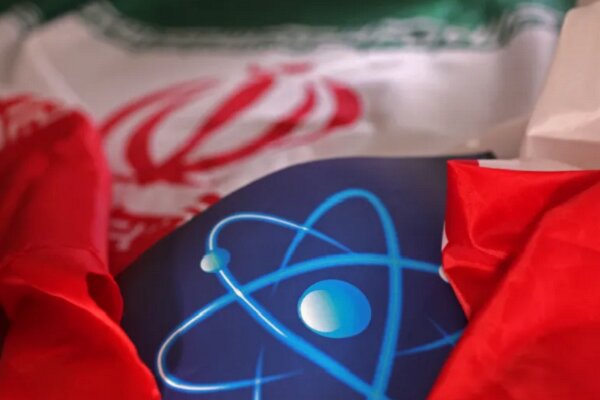
The article argues that the IAEA and its Board of Governors are dominated by Western nuclear powers and have repeatedly targeted Iran's peaceful nuclear program. It says the latest resolution followed the same pattern and claims Iran's wider deterrence strategy may be the only thing that changes the dynamic.
The article says a referee is picking sides in a game against Iran. It argues the IAEA keeps making rules that hurt Iran while ignoring other countries, and that Iran may answer by becoming tougher and harder to push around.
Analysis
What the piece argues
Mehr's op-ed says the IAEA Board of Governors is not a neutral technical body when it comes to Iran. In the writer's view, its makeup gives Western nuclear powers, especially the United States, Britain, and France, the ability to steer decisions against Tehran.
The resolution against Iran
The article says the Board adopted a new resolution on Wednesday with 19 votes in favor, 11 abstentions, and 3 votes against. It describes the resolution as repeating a familiar pattern: criticism of Iran's peaceful nuclear program regardless of how much cooperation Tehran provides with the agency.
Broader political claim
The writer argues that the real purpose of the IAEA system is to keep nuclear capability concentrated in the hands of a few powerful states and to block independent countries from gaining even peaceful nuclear energy. The piece also says Western states have ignored Israel's nuclear program while focusing on Iran, which it calls a diversion from the dangers posed by Israel.
Criticism of Grossi
The op-ed also attacks IAEA Director General Rafael Grossi, saying he has taken an anti-Iran line and failed to condemn US and Israeli attacks on Iranian facilities described as peaceful and safeguarded. In the author's view, this weakens both Grossi and the agency itself.
Iran's response, as framed here
The article says Iran's diplomatic mission in Vienna and its foreign policy apparatus will respond with statements, but suggests that meaningful pressure may require a shift in defense doctrine and stronger deterrence. It links this idea to Iran's use of geopolitics in the Strait of Hormuz as evidence that resistance can reshape power balances.
Key points
- The op-ed says the IAEA Board of Governors is structurally biased against Iran.
- It says a Wednesday resolution passed with 19 votes in favor, 11 abstentions, and 3 against.
- The writer argues Western states ignore Israel's nuclear program while focusing on Iran.
- The piece criticizes IAEA chief Rafael Grossi for not condemning US and Israeli attacks on Iranian facilities.
- It says Iran may need stronger deterrence, not just diplomatic protests, to change the agency's behavior.
If the article's preferred reading is right, Iran's diplomatic responses could keep the nuclear dispute in a political and legal channel instead of a military one. The piece also suggests stronger deterrence could make other actors take Iran's warnings more seriously.
The article implies the IAEA will keep passing resolutions against Iran, which could deepen mistrust and widen the standoff. It also hints that if diplomacy fails, Tehran may lean more heavily on deterrence and regional pressure points, raising tensions further.