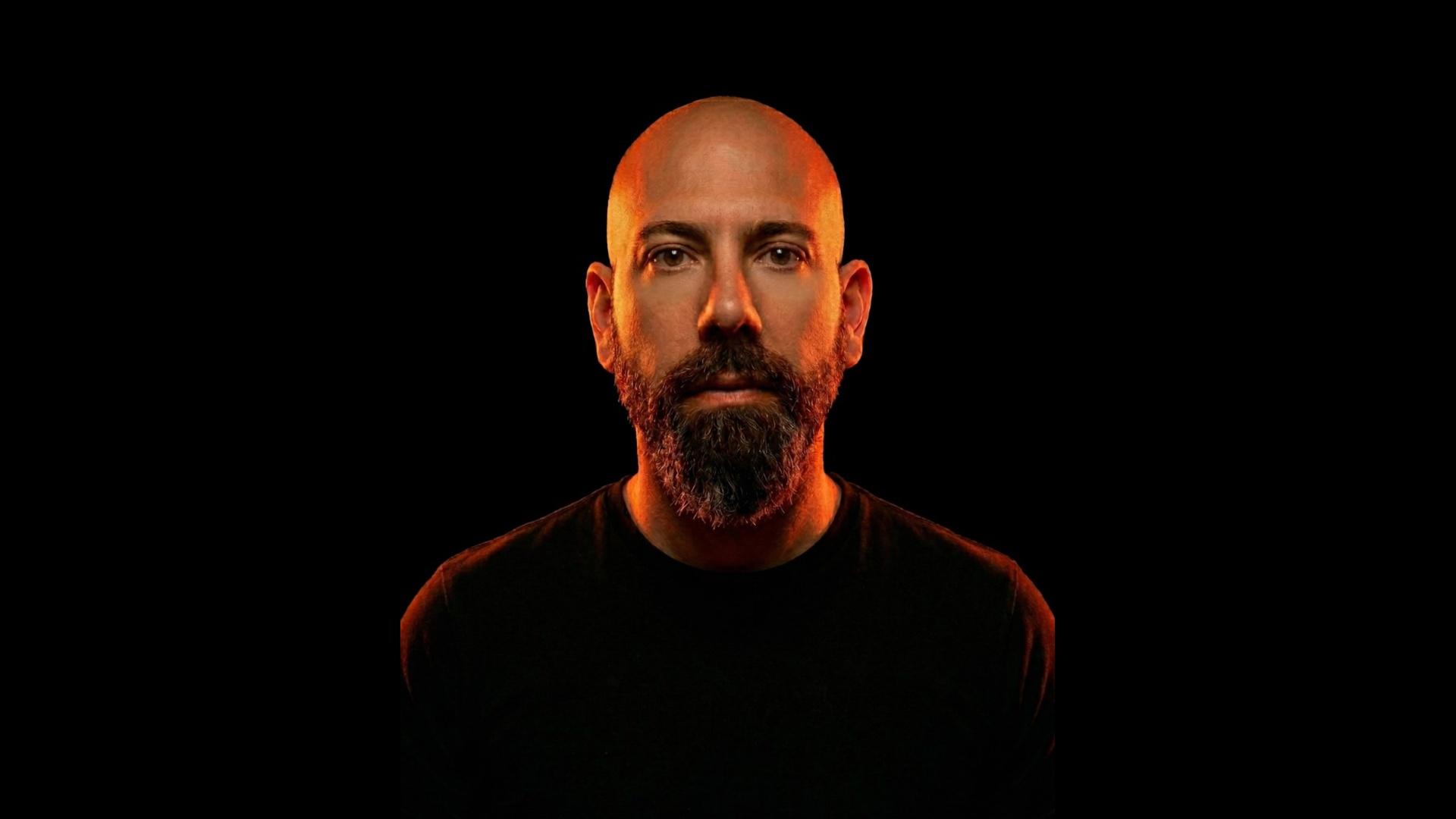
ICE CEO calls Hyperliquid bigger than NASDAQ, says he's met its founders
ICE CEO Jeffrey Sprecher praised Hyperliquid's trading volume and team, saying its rise exposes a U.S. regulatory gap.
Intelligence analysis by GPT-5.4 Mini

Jeffrey Sprecher said Hyperliquid is “bigger than Nasdaq” in trading activity and said ICE has met its founders more than once. He framed the platform’s growth as evidence that perpetual futures are already global and need clearer regulation.
A big market boss said a crypto trading place called Hyperliquid has become so busy that it is hard to ignore. He was not saying it is bigger in money value, but that lots of trading is happening there.
It is a bit like a small food truck serving more customers than a famous restaurant during busy hours. The food truck is still small, but the line outside shows people want it.
The story matters because lawmakers may need to decide how to treat these fast, always-open crypto markets. If they keep growing, the rules may have to change too.
Analysis
What Sprecher said
Jeffrey Sprecher, CEO of Intercontinental Exchange, told Bernstein that Hyperliquid is larger than Nasdaq in trading activity and described its core team as small but highly capable. He said ICE has met Hyperliquid’s founders multiple times, which suggests the venue is being taken seriously by a major Wall Street exchange operator.
Why Hyperliquid stands out
The article says Hyperliquid’s HYPE token has a market value far below Nasdaq’s corporate valuation, so Sprecher’s comparison is about trading activity rather than company size. Hyperliquid reportedly dominates more than 70% of the decentralized perpetual futures market and has drawn non-crypto traders by offering 24/7 oil derivatives trading, including weekends when ICE markets are closed.
The regulatory issue
Sprecher argued that perpetual futures on Hyperliquid are effectively swaps under U.S. law and fall into the scope of Title VII of Dodd-Frank. He said the current setup highlights a gap: ICE operates under those rules, while Hyperliquid is described as an unregulated foreign-incorporated venue. His view is that policymakers will soon have to choose between creating a new category for perpetual futures or bringing offshore venues under existing U.S. and European frameworks such as Dodd-Frank and EMIR.
Market angle
The story also shows how crypto infrastructure is bleeding into traditional market use cases. Sprecher said ICE noticed Hyperliquid partly because of weekend oil trading, and the article notes JPMorgan analysts have seen the same pattern of non-crypto traders using the venue for off-hours exposure.
Key points
- Jeffrey Sprecher said Hyperliquid is bigger than Nasdaq in trading activity, not in company valuation.
- He said ICE has met Hyperliquid's founders multiple times and praised their team.
- The article says Hyperliquid dominates more than 70% of the decentralized perpetual futures market.
- Sprecher argued that perpetual futures expose a gap in U.S. and European derivatives rules.
- He pointed to weekend oil trading as evidence that crypto-native markets are serving broader demand.