Ice cream: How the big firms innovate to stay ahead - BBC News
Major ice cream companies are leveraging innovation, including AI, to combat rising costs and intense competition, with a focus on energy efficiency and novel product development.
Intelligence analysis by Gemini 2.5 Flash
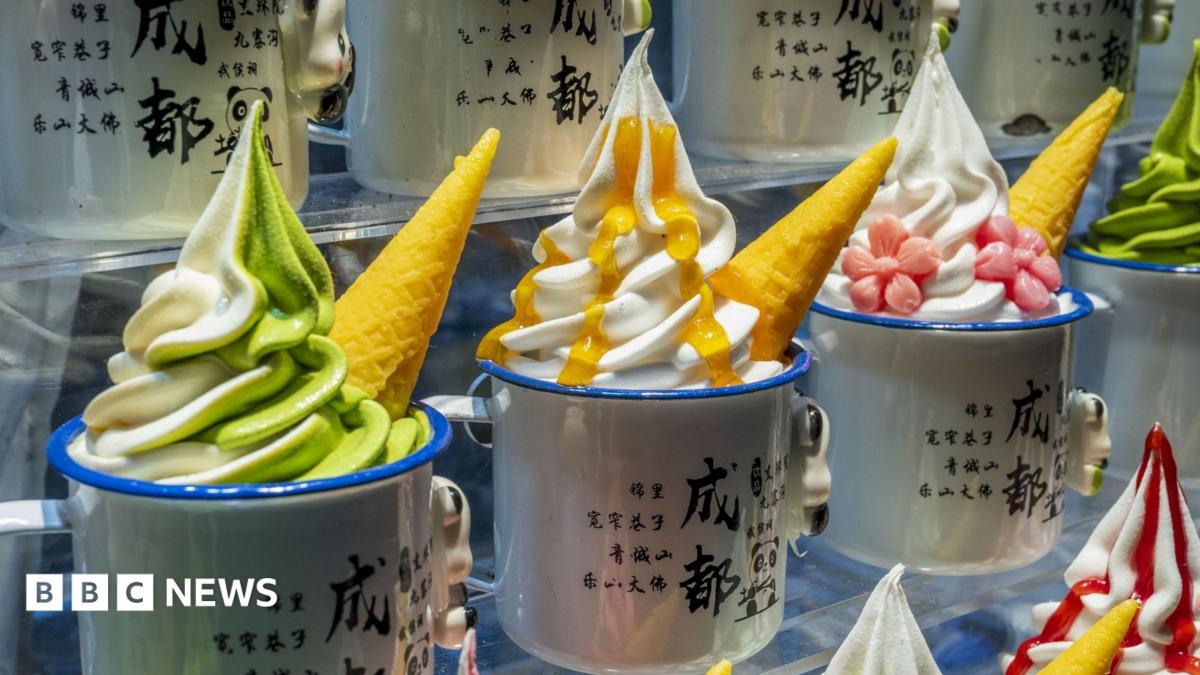
The global ice cream market, characterized by unpredictable prices and fierce competition, is pushing leading firms like Magnum to invest heavily in research and development. Innovations range from energy-efficient refrigeration systems powered by AI to exotic new flavors and health-conscious products, with Asia emerging as a key hub for culinary experimentation.
Imagine a big ice cream company like Magnum that wants to make sure everyone gets their favorite treat without it costing too much money. They put smart cameras inside their ice cream freezers, like a super-smart helper, that use special computer brains (AI) to count how many ice creams are left. This helps them know exactly when to send more, saving energy and making sure the shelves are never empty. They also invent super wild flavors, like pickled garlic, to keep things exciting!
Analysis
The ice cream industry, despite its seemingly simple product, faces significant challenges from volatile commodity and energy prices, as well as intense competition from both large rivals and artisan makers. This environment necessitates continuous innovation, not just in product development but also in operational efficiency, to maintain profitability and market share. The article details how major players are responding to these pressures by investing in advanced technologies and exploring new market trends.
Magnum
Magnum, identified as the world's largest publicly listed ice cream maker, exemplifies the strategic investment in innovation. Having been spun off from Unilever, the company boasts a substantial market capitalization, enabling it to fund extensive research and development efforts. A key area of focus for Magnum is its vast network of three million fridges globally, which are being upgraded with advanced technology.
These new fridges incorporate cameras that upload images to data centers, where AI systems analyze the content. The AI is trained to identify specific products and use depth-recognition to estimate stock levels, thereby predicting when a fridge needs restocking. This intelligent inventory management system aims to reduce empty shelf space and optimize supply chains, directly contributing to cost savings and improved efficiency in the cold chain, a notoriously energy-intensive part of the business.
Zbigniew Lewicki
Zbigniew Lewicki, Magnum's chief research, design & innovation officer, underscores the critical importance of these technological advancements. He states that innovations like the more efficient freezers are not merely desirable but are fundamental to the company's financial health and long-term resilience. Lewicki notes that modern freezers are 40% more efficient than those from 2010, a significant improvement in energy consumption.
His insights also extend to product innovation, particularly highlighting Asia as a leading source of inspiration and trends. Lewicki's travels have informed new product launches, such as the 'Volcanics' range in the UK and Europe, which features complex flavor and texture profiles. This demonstrates a strategic approach to leveraging global trends to drive new product development and capture consumer interest in diverse markets.
Asia
Asia is presented as the new epicenter of ice cream innovation, with countries like Japan, Korea, and China leading the charge in both market growth and product experimentation. Neil Yan, a market trends researcher for MMR, attributes this to a cultural shift where ice cream has become an integral part of the Chinese lifestyle, moving beyond a seasonal treat or social media trend. This deeper cultural integration fuels a dynamic market where experimentation is highly valued.
The region's innovative spirit is evident in its adventurous flavor profiles, which include unexpected ingredients like ham, pickled garlic, tahini, stinky tofu, and even foie gras with vodka and apple. This willingness to blend traditional Asian flavors and unconventional ingredients with ice cream formats represents a significant departure from Western market norms. The article suggests this era of bold experimentation is driven by a desire to transcend the flavor boundaries established over the past few decades, offering consumers novel and exciting experiences.
Key points
- Ice cream companies are innovating to combat price volatility, rising costs, and intense competition.
- Magnum uses AI-powered cameras in its three million fridges to monitor stock levels and optimize restocking, improving energy efficiency by 40% since 2010.
- Asia, particularly Japan, Korea, and China, is a leading hub for ice cream innovation, driven by cultural shifts and a willingness to experiment with unconventional flavors like pickled garlic and stinky tofu.
- Product innovation also includes health-focused options, such as protein-packed ice cream, appealing to consumers seeking satiety and aligning with trends like GLP1 user movements.
By embracing AI for operational efficiency and fostering rapid product innovation, ice cream companies can better navigate market volatility and rising costs. This strategic approach allows them to maintain profitability, reduce their environmental footprint through energy savings, and capture new consumer segments with diverse and exciting offerings.
Despite significant innovation efforts, the ice cream industry remains vulnerable to external factors such as unpredictable commodity prices, geopolitical events impacting supply chains, and intense competition. The high cost of developing and implementing advanced technologies like AI, coupled with the constant need for new product development, could strain resources for even large firms.