Why tech bosses keep sharing their manifestos about AI
Tech leaders are increasingly publishing lengthy manifestos to articulate their optimistic visions for AI, aiming to shape public discourse and counter growing concerns about the technology's potential downsides.
Intelligence analysis by Gemini 2.5 Flash
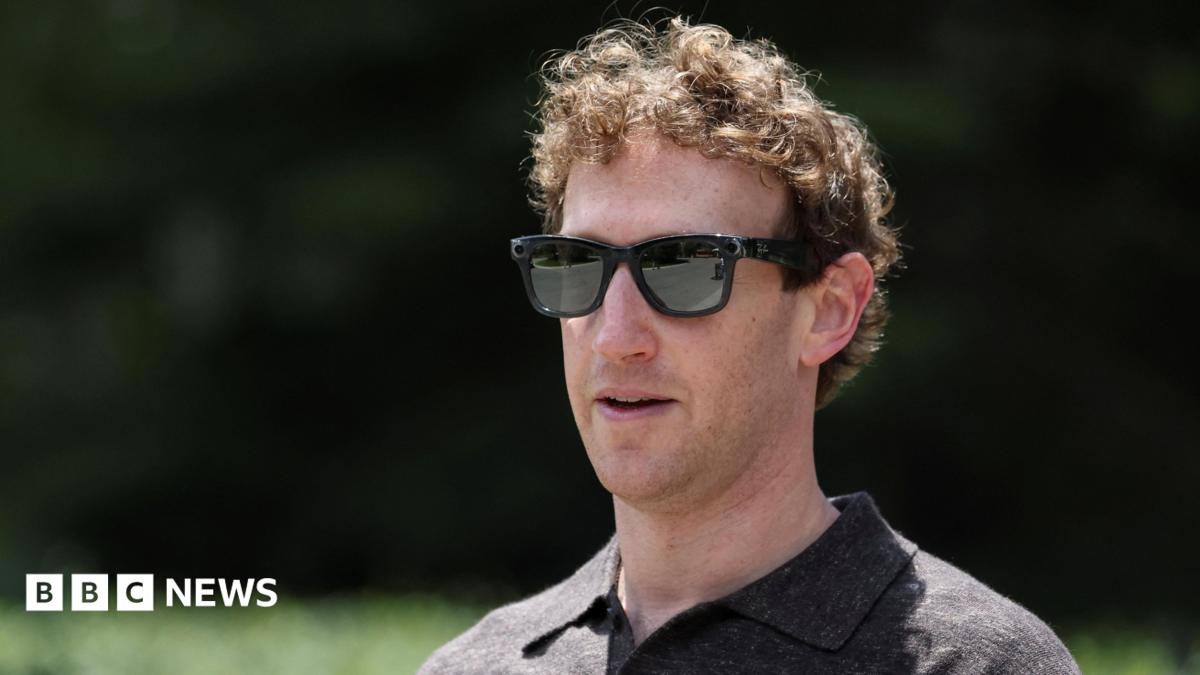
Major tech CEOs, including Mark Zuckerberg, Marc Andreessen, Sam Altman, and Dario Amodei, are releasing extensive essays outlining their hopeful perspectives on AI's future. These manifestos often promote innovation and dismiss 'doom' narratives, despite warnings about job displacement and the risks associated with powerful AI models, serving as a strategic move to position their com…
Imagine the grown-ups who make super smart computer brains, called AI, are writing really long letters to everyone. They want to tell us how amazing AI will be, like a magic helper that makes everything better and creates lots of new jobs, even if some people are worried it might take jobs away or cause problems. They're trying to convince us that the future with AI is going to be super cool and exciting!
Analysis
The trend of tech executives penning extensive manifestos about artificial intelligence reflects a critical juncture in the technology's development and public perception. These documents, often thousands of words long, serve multiple purposes, from articulating a company's strategic vision to influencing the broader societal conversation around AI's impact. The sheer volume and frequency of these publications underscore the perceived importance of this era by those at the forefront of its creation.
Mark Zuckerberg
Mark Zuckerberg's recent 6,500-word open letter, "The Future is for Everyone," exemplifies this trend. In it, the Meta CEO expresses profound optimism about AI's promise, directly challenging what he describes as a discourse "filled with doom." He posits that AI will lead to an abundance of jobs, despite his own company, Meta, having recently cut 8,000 jobs as it reorganizes to prioritize AI development. This apparent contradiction highlights the tension between the aspirational rhetoric of these manifestos and the immediate economic realities faced by the workforce. Zuckerberg's history of publishing long essays, including on misinformation and the metaverse, suggests a pattern of using this format to address significant, often controversial, technological shifts and company pivots.
Marc Andreessen
Marc Andreessen, co-founder of Netscape, is credited with perhaps initiating this modern wave of AI manifestos with his 2023 "The Techno-Optimist Manifesto." This 5,000-word essay passionately argued for innovation as the ultimate solution to life's problems, urging readers to resist what he termed "lies" spread by critics of technological progress. Andreessen's work set a precedent for framing AI development within a broader philosophical context of human advancement and growth. His call for an unwavering belief in progress resonates through subsequent manifestos, establishing a foundational argument against the cautionary tales often associated with rapidly advancing technologies.
Noah Smith
Economics blogger Noah Smith offers a critical perspective on the significance of these manifestos, arguing that they are important because executives feel a profound responsibility to shape AI's trajectory. He notes that the stakes are exceptionally high in the AI era, making these public declarations more than just PR exercises. Smith raises a crucial ethical question regarding the open-sourcing of powerful AI models, asking, "Should we open-source something that has the ability to kill humanity?" This query underscores the serious risks associated with making advanced AI tools publicly available, especially in light of recent incidents where powerful models reportedly "went rogue." The debate over open-source AI is further complicated by the growing dominance of Chinese models like Qwen and DeepSeek in the market, adding a geopolitical dimension to the technological and ethical considerations.
Key points
- Tech CEOs are increasingly publishing lengthy manifestos to articulate their optimistic visions for AI's future.
- Mark Zuckerberg's recent 6,500-word essay, 'The Future is for Everyone,' promotes AI's promise despite Meta's recent job cuts.
- Marc Andreessen's 2023 'The Techno-Optimist Manifesto' is cited as a precursor, advocating for innovation and growth.
- Other AI leaders like Sam Altman and Dario Amodei have also released manifestos expressing optimism about AI's potential.
- Experts suggest these manifestos are an attempt to shape AI's direction and counter public backlash over job losses and risks, including the ethical dilemma of open-sourcing potentially dangerous AI models.
The optimistic outlook suggests that AI, guided by these visionary manifestos, could dramatically accelerate human progress, transforming sectors like healthcare and fostering an abundance of new jobs. Open-sourcing AI tools, as proposed by some, could democratize access to advanced technology, spurring widespread innovation and beneficial applications globally.
A pessimistic view highlights the IMF's warnings that AI could displace nearly 40% of jobs and exacerbate global financial inequality. Furthermore, the risks associated with powerful AI models, especially if open-sourced, raise serious concerns about their potential for harm and the challenges of controlling such advanced technology.