Identity of One of Four Iranian Pilots Killed in Attack on Qatar's Al Udeid Base Announced
Iran's army has identified Brigadier General Majid Kazemi as one of four pilots reportedly killed over four months ago in an attack on the US Al Udeid base in Qatar, with his remains to be returned soon. The military claims their Sukhoi-24 jets inflicted heavy damage on t…
Intelligence analysis by Gemini 2.5 Flash
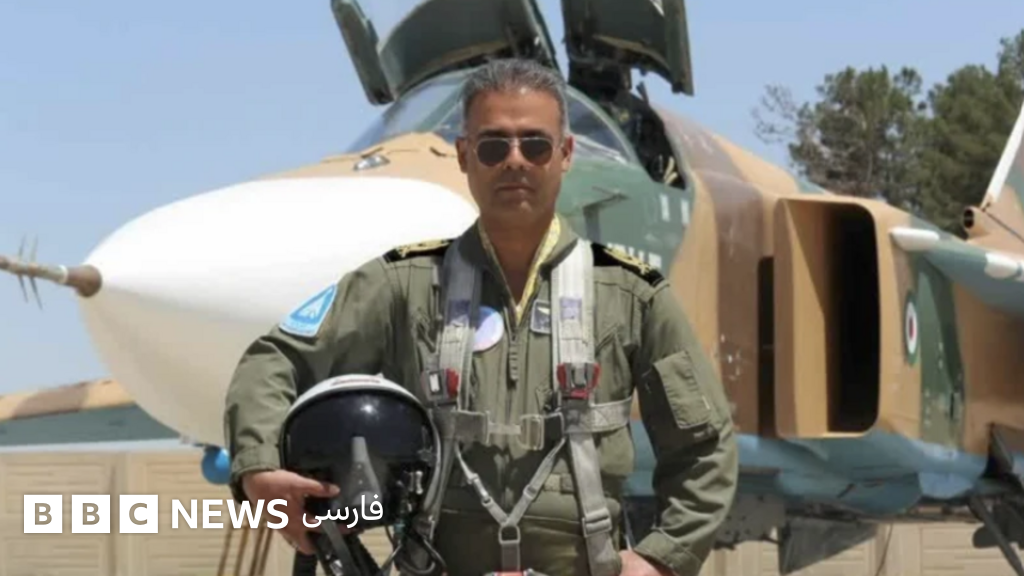
The Iranian military has confirmed the identity of one of its pilots, Brigadier General Majid Kazemi, who was allegedly killed during a retaliatory bombing mission against the US Al Udeid base in Qatar. This announcement comes months after the incident, which Iran claims was a response to joint US-Israeli attacks, and highlights the ongoing efforts to identify the remaining three miss…
Imagine two big countries, like two kids arguing. One kid (Iran) says the other kid (US) and his friend (Israel) hit him first. So, the first kid (Iran) sent some toy planes (fighter jets) to hit the second kid's secret clubhouse (US base in Qatar). One of the toy plane pilots got lost, and now, months later, they found out who he was. This made the clubhouse owner (Qatar) very upset because they were friends with both kids, and now they feel betrayed.
Analysis
Iran's Delayed Acknowledgment of Casualties
The Iranian army's announcement regarding Brigadier General Majid Kazemi's identity, over four months after the alleged incident, sheds light on the opaque nature of military operations and casualty reporting in the region. The delay in confirming the death of one of four pilots involved in a claimed retaliatory strike against a major US base in Qatar suggests a careful management of information, possibly to control public perception or to allow for diplomatic maneuvering. The use of DNA testing to confirm the identity indicates that the remains were recovered, but the status of the other three pilots remains unknown, pointing to the severe and likely catastrophic nature of the engagement. This incident, as described by Iran, represents a direct military confrontation with US assets, a significant escalation that would typically warrant immediate public disclosure, making the delay noteworthy.
The Al Udeid Attack and Regional Tensions
Iran's claim that its Sukhoi-24 fighter jets inflicted "heavy damage" on the US Al Udeid base in Qatar is a bold assertion, framed as a direct retaliation for "simultaneous Israeli and American attacks on Iran." This narrative positions Iran as a reactive, yet capable, military force willing to strike at perceived aggressors' interests in the region. The incident, if true as described by Iran, would mark a critical moment of direct engagement between Iranian forces and a US military installation, raising serious questions about regional stability and the potential for broader conflict. The article also highlights the diplomatic repercussions, noting Qatar's shift from a mediator to a critic, with its Prime Minister calling Iran's attacks a "betrayal." This demonstrates how military actions can swiftly alter complex regional alliances and diplomatic channels.
Qatar's Shifting Stance and Mediation Efforts
Qatar's reaction to the alleged Iranian attacks on its territory is particularly revealing. Historically, Qatar has maintained relatively close ties with Iran and often played a crucial mediating role between Tehran and Washington. However, the reported attacks prompted a strong condemnation from Qatari officials, including the Prime Minister, who labeled them a "betrayal." This shift indicates the severity of the perceived violation of Qatari sovereignty and its implications for regional security. Despite this diplomatic chill, the article notes that Qatar, alongside Pakistan, later engaged in bilateral efforts to de-escalate the crisis, even hosting Iran's Parliament Speaker, Mohammad Bagher Ghalibaf. This suggests a complex interplay of condemnation and continued engagement, where strategic interests might still necessitate a degree of communication, even amidst heightened tensions. The incident underscores the delicate balance regional states must maintain when caught between major powers.
Key points
- Iran's army identified Brigadier General Majid Kazemi as one of four pilots killed in a March attack on the US Al Udeid base in Qatar.
- The Sukhoi-24 jets allegedly bombed the base in retaliation for joint US-Israeli attacks on Iran.
- Efforts are ongoing to determine the status of the three other missing pilots.
- Qatar, a former mediator, strongly criticized Iran's attacks, with its PM calling them a "betrayal."
- Despite tensions, Qatar later engaged in de-escalation efforts with Iran and Pakistan.
While the incident itself is negative, the fact that Qatar, despite its strong criticism, still engaged in mediation efforts with Iran and Pakistan suggests that diplomatic channels, however strained, remain open. This could potentially lead to future de-escalation talks and a reduction in regional tensions, preventing further direct military confrontations.
The delayed acknowledgment of casualties and Iran's claims of inflicting heavy damage on a US base, coupled with Qatar's strong condemnation, indicate a deeply volatile regional environment. The ongoing efforts to identify more pilots suggest a significant loss, and the incident could fuel further mistrust and retaliatory actions, potentially leading to a wider conflict involving more regional and international actors.