Why a Mosque in Japan Has Become a Controversial Issue
A plan to build a mosque in the Japanese city of Fujisawa has sparked controversy, with some residents expressing concerns about the impact on the local community. The mosque is expected to be the first in the city, and its construction has raised questions about the role…
Intelligence analysis by Llama
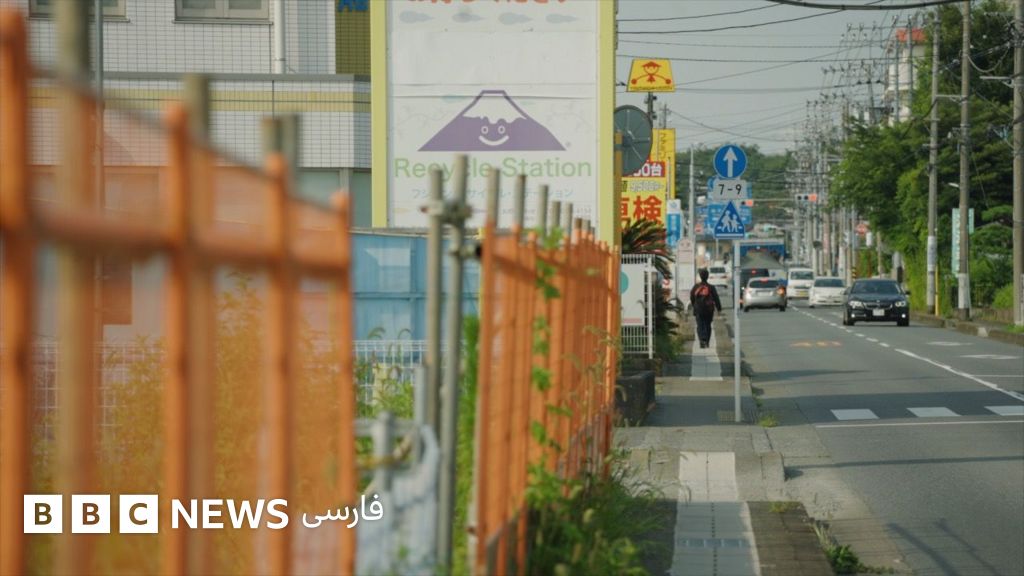
The construction of a mosque in Fujisawa, Japan, has sparked controversy, with some residents expressing concerns about the impact on the local community. The mosque is expected to be the first in the city, and its construction has raised questions about the role of Islam in Japan.
Imagine you're living in a small town in Japan, and suddenly a new mosque is built. Some people are happy to have a new place to worship, but others are worried that it will change the town's culture and make them feel uncomfortable. This is what's happening in Fujisawa, Japan, where a new mosque is being built and some people are protesting against it. It's a complex issue that involves understanding and acceptance of different cultures and communities.
Analysis
A Growing Muslim Community in Japan
The construction of a mosque in Fujisawa, Japan, has sparked controversy, with some residents expressing concerns about the impact on the local community. The mosque is expected to be the first in the city, and its construction has raised questions about the role of Islam in Japan.
The controversy surrounding the mosque's construction highlights the growing concerns about immigration and social change in Japan, a country that is struggling with a declining and aging population. Japan's population has been declining since 2010, and the country is facing a significant shortage of workers. To address this issue, Japan has been relying increasingly on foreign labor, which has led to an influx of immigrants from various countries, including Muslim-majority nations.
The presence of Muslims in Japan is not new, but it has become more visible in recent years. According to the Japanese Ministry of Justice, the number of Muslims in Japan has been increasing steadily, with over 200,000 Muslims living in the country as of 2020. This number is expected to continue growing, as more Muslims move to Japan for work, education, or other reasons.
The construction of the mosque in Fujisawa is seen as a symbol of the growing Muslim community in Japan. The mosque is expected to serve as a place of worship for Muslims in the area, as well as a cultural center for the local community. However, the construction of the mosque has also raised concerns about the impact on the local community, with some residents expressing fears about the potential for cultural and social changes.
The Concerns of Local Residents
The controversy surrounding the mosque's construction has highlighted the concerns of local residents about the impact of immigration on their community. Some residents have expressed fears about the potential for cultural and social changes, as well as concerns about the impact on the local economy.
One of the concerns is that the mosque will attract more Muslims to the area, which could lead to a change in the local demographics. Some residents have expressed fears that the mosque will lead to an influx of Muslims, which could alter the character of the community.
Another concern is that the mosque will create social and cultural tensions in the community. Some residents have expressed fears that the mosque will lead to conflicts between Muslims and non-Muslims, which could create social and cultural tensions.
The Importance of Understanding and Acceptance
The controversy surrounding the mosque's construction highlights the importance of understanding and acceptance in a multicultural society. The construction of the mosque is not just a matter of building a place of worship, but also a symbol of the growing Muslim community in Japan.
It is essential to understand and accept the presence of Muslims in Japan, as well as their cultural and social practices. The construction of the mosque is an opportunity for the local community to learn about and appreciate the Muslim culture, and to build bridges of understanding and acceptance.
In conclusion, the controversy surrounding the mosque's construction highlights the growing concerns about immigration and social change in Japan. The construction of the mosque is a symbol of the growing Muslim community in Japan, and it is essential to understand and accept the presence of Muslims in the country.
Key points
- The construction of a mosque in Fujisawa, Japan, has sparked controversy among local residents.
- The mosque is expected to be the first in the city, and its construction has raised questions about the role of Islam in Japan.
- The controversy highlights the growing concerns about immigration and social change in Japan.
- The construction of the mosque is seen as a symbol of the growing Muslim community in Japan.
- The project has raised concerns about the impact on the local community, with some residents expressing fears about the potential for cultural and social changes.
The construction of the mosque in Fujisawa could lead to a greater understanding and acceptance of the Muslim community in Japan. If the project is successful, it could pave the way for more mosques and Islamic cultural centers in the country, promoting greater cultural exchange and understanding.
The controversy surrounding the mosque's construction could lead to social and cultural tensions in the community. If the project is met with resistance and protests, it could create a hostile environment for Muslims in Japan, making it difficult for them to practice their faith and integrate into the community.