'If you started running, they shot you' - inside Nigeria's growing kidnapping crisis
Nigeria is grappling with a severe kidnapping crisis, particularly in the north-west, where bandit gangs terrorize communities, leading to mass displacement, killings, and a humanitarian emergency. The violence, often for ransom, is escalating and spreading across the cou…
Intelligence analysis by Gemini 2.5 Flash
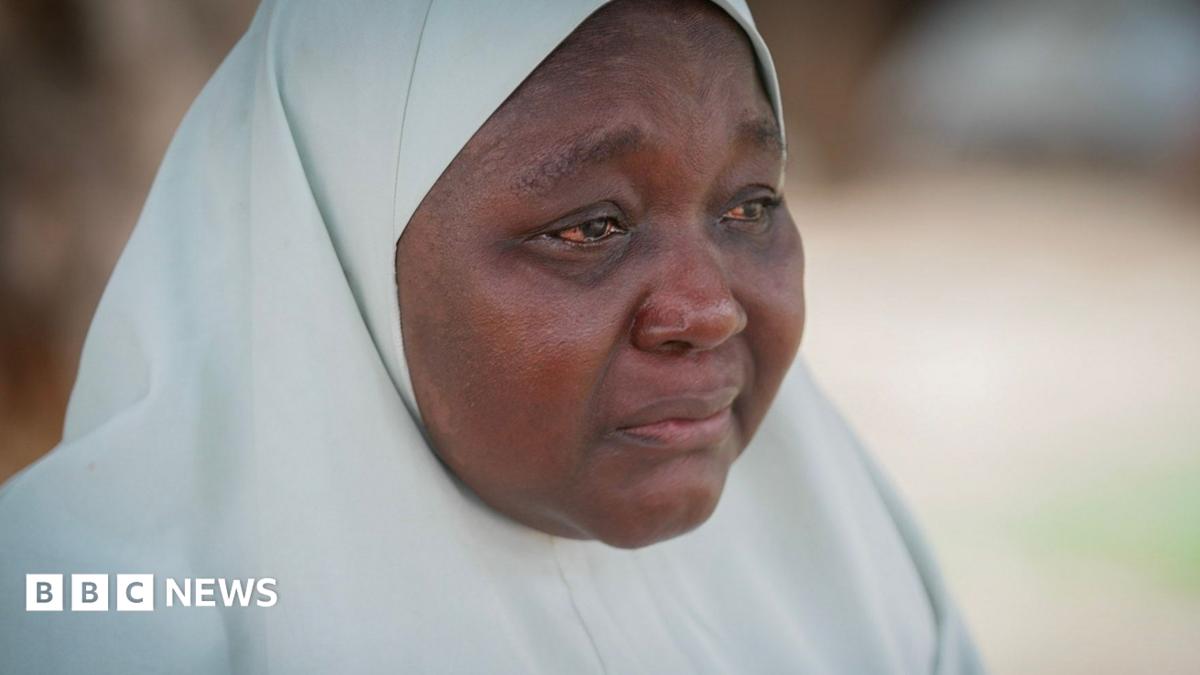
The article details the harrowing experiences of Nigerians, like Fatima, who have lost family members and homes to rampant bandit attacks and kidnappings in the north-west. These gangs, often Fulani, operate with impunity, forcing communities to flee, pay protection money, and live in fear, exacerbating an already complex security situation across the country.
Imagine bad guys on motorcycles attacking villages, stealing things, and taking people away to ask for money. People like Fatima have lost their homes and family members, and now live in crowded camps with little food, always scared. It's like a scary game of hide-and-seek, but with real danger and no safe place to go.
Analysis
The escalating kidnapping crisis in Nigeria's north-west represents a profound humanitarian and security challenge, with profound implications for the nation's stability and the well-being of its citizens. The article vividly illustrates the brutal reality faced by communities, where armed gangs, locally known as bandits, operate with increasing impunity, transforming daily life into a struggle for survival. This crisis is not merely a localized issue but a symptom of deeper governance and socio-economic fragilities that allow such criminal enterprises to flourish.
Fatima
The personal testimony of Fatima offers a harrowing window into the human cost of Nigeria's escalating violence. Her account of the attack on Bia Buki, where gunmen indiscriminately opened fire and set homes ablaze, underscores the extreme brutality employed by these bandit groups. Losing her husband and six siblings in a single incident highlights the devastating impact on families and the fabric of rural communities.
Fatima's subsequent displacement to an informal camp in Gusau, along with her seven children, illustrates the widespread humanitarian crisis. The conditions in these makeshift camps, characterized by scarce food, inadequate shelter, and persistent fear, reveal the severe challenges faced by an estimated 800,000 displaced Nigerians. The desperation is so acute that children are sent to gather firewood, exposing them to further risks, including abduction.
Bia Buki
The village of Bia Buki serves as a stark example of the scale of devastation wrought by bandit attacks. The reported killing of approximately 70 people, including children, in a single raid in June, demonstrates the gangs' capacity for mass casualty events. Such attacks not only result in immediate loss of life but also shatter community cohesion and economic activity.
The tactics described, involving large numbers of armed men on motorcycles surrounding villages and targeting fleeing residents, indicate a sophisticated and coordinated approach by the bandits. This level of organization allows them to overwhelm local defenses and escape before security forces can effectively respond, contributing to the pervasive sense of vulnerability among rural populations. The destruction of homes and livelihoods forces survivors to abandon their ancestral lands, creating a cycle of displacement and poverty.
Acled
Data from the international conflict monitoring group Acled provides crucial quantitative evidence of the crisis's rapid escalation. The reported 78% increase in incidents in the bandit heartlands of north-west Nigeria during the first half of this year, compared to the same period last year, confirms a significant deterioration in the security landscape. This surge in violence is mirrored by Nigeria's National Human Rights Commission data, which shows a doubling of kidnappings nationwide over the same period.
This statistical evidence corroborates the qualitative accounts of increased frequency and severity of attacks. The expansion of banditry, which Malik Samuel of Good Governance Africa notes now affects "no region in northern Nigeria," signifies a national security emergency. The shift by some Fulani individuals from traditional cattle herding to kidnapping and extortion underscores the economic motivations driving this criminal enterprise, presenting a complex challenge for authorities seeking to restore peace and order.
Key points
- Bandit gangs in Nigeria's north-west are causing widespread violence, kidnappings for ransom, and displacement.
- Fatima, a survivor, lost her husband and six siblings in an attack on her village, Bia Buki, which killed about 70 people.
- An estimated 800,000 Nigerians have been displaced in the north-west due to violence.
- Attacks are becoming more frequent, with incidents recorded by Acled rising 78% and kidnappings doubling in the first half of this year compared to last.
- The crisis is part of a broader security challenge in Nigeria, including Islamist insurgency and separatist unrest.
The article notes that military and government-backed vigilante patrols in Gusau have led to a reduction in the immediate threat of gunshots, suggesting that increased security presence, if sustained and effective, could offer some respite and improve safety for displaced communities.
The crisis shows a deteriorating pattern of violence and abductions, spreading southwards, with gangs increasingly turning to kidnapping and extortion as a primary source of income. This suggests a potential for further destabilization, increased humanitarian suffering, and a prolonged struggle for security forces to contain the widespread insecurity.