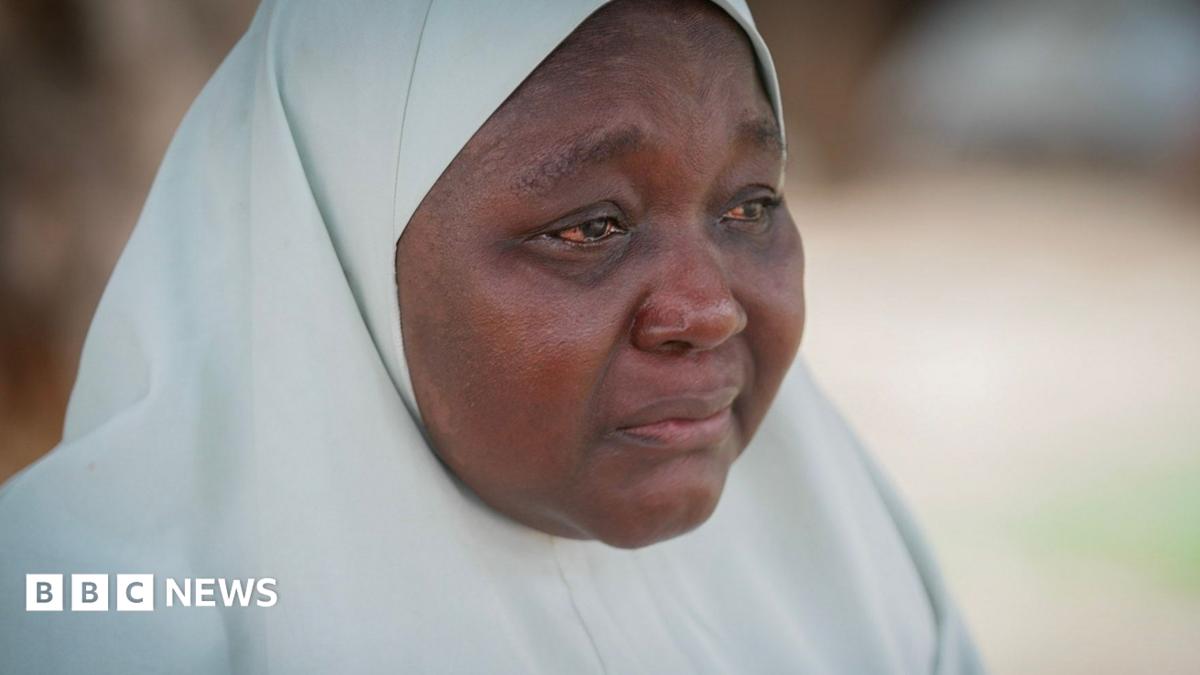
Nigeria: President Tinubu orders rescue operation after attacks in Niger State
Nigerian President Bola Ahmed Tinubu has ordered a coordinated rescue operation following "barbaric" attacks in Niger State that resulted in dozens killed and abducted, with assailants releasing a video of captives.
Intelligence analysis by Gemini 2.5 Flash
President Tinubu has vowed to bring to justice those responsible for recent attacks on four villages in Niger State, where many were killed and kidnapped. Security forces have been mobilized for a rescue mission, as a video purportedly showing the captives has surfaced, and the exact number of victims remains unconfirmed.
Imagine some bad guys attacked villages in Nigeria, taking many people, even kids, and making a video to show them. The country's leader, President Tinubu, got really upset and told all the soldiers and police to go find and save everyone who was taken. It's like when a bully takes your friends, and the grown-ups step in to get them back and make sure the bully can't do it again.
Analysis
The recent attacks in Niger State underscore the severe and ongoing security crisis plaguing parts of Nigeria, particularly the northwest and north-central regions. President Bola Ahmed Tinubu's swift order for a coordinated rescue operation signals a commitment to addressing the immediate humanitarian fallout and confronting the perpetrators. However, the incident also reveals the deep-seated challenges faced by Nigerian authorities in effectively securing remote communities and combating well-organized criminal and extremist groups. The unconfirmed death toll and the circulation of a video showing numerous captives highlight the psychological warfare employed by these groups, aiming to instill fear and undermine public trust in government capabilities. The involvement of various security agencies, including the armed forces, police, and intelligence services, indicates the multi-faceted nature of the response required to tackle such complex threats.
Lakurawa Group
Testimonies from residents suggest the assailants belong to the Lakurawa group, a self-defense militia that some researchers link to the Islamic State in the Sahel. This association is particularly concerning as it points to a potential nexus between local criminal gangs and broader jihadist networks, complicating counter-insurgency efforts. The presence of such groups near the Lake Kainji region, close to the borders of Benin and Niger, suggests a strategic interest in controlling key transit routes for weapons and other illicit goods. This geographical positioning allows them to exploit porous borders and evade capture, making regional cooperation essential for effective containment. The evolving nature of these groups, from localized militias to potentially ideologically aligned entities, represents a significant escalation in the threat landscape.
Borgu Local Government Area
The attacks occurred simultaneously in several localities within the Borgu local government area, indicating a coordinated and sophisticated operation. This area, like many others targeted by these groups, often comprises communities situated in difficult-to-access locations, which poses significant logistical challenges for security forces. The remoteness of these villages makes them vulnerable to extortion and kidnappings for ransom, as perpetrators can operate with relative impunity. The economic dimension of these crimes, particularly the reliance on ransom payments, provides a continuous funding stream for these groups, enabling them to sustain their operations and acquire more resources. Addressing the root causes of vulnerability, including poverty and lack of infrastructure, alongside robust security interventions, is crucial for long-term stability in areas like Borgu.
Ibrahim Abubakar
The identification of 13 individuals by Ibrahim Abubakar, a resident of Dekara village, from the video of captives circulating on social media, provides a poignant human element to the tragedy. His ability to recognize his neighbors underscores the personal devastation inflicted upon these communities and validates the authenticity of the abduction claims. Such direct testimonies are vital in confirming the scale of the crisis, even as official figures remain unconfirmed. The emotional impact on families and communities, witnessing their loved ones held captive, adds immense pressure on the government to act decisively. The incident highlights the urgent need for effective intelligence gathering and community engagement to locate and rescue the abducted individuals, while also rebuilding trust between the populace and security forces.
Key points
- Nigerian President Bola Ahmed Tinubu ordered a coordinated rescue operation after "barbaric" attacks in Niger State.
- Dozens of people were killed and abducted in attacks on four villages last Friday.
- Assailants released a video showing numerous captives, including men, women, and children.
- The exact number of victims remains unconfirmed by authorities.
- The attackers are presumed to be from the Lakurawa group, which some researchers associate with the Islamic State in the Sahel.
- The Lake Kainji region, near Benin and Niger borders, is a flashpoint for clashes between jihadist groups over weapon transit routes.
President Tinubu's direct order for a coordinated rescue operation, involving multiple security agencies, could lead to the successful recovery of the abducted individuals. This decisive action, if effective, might deter future attacks and demonstrate the government's commitment to protecting its citizens, potentially restoring some confidence in the state's ability to maintain security.
The unconfirmed number of victims and the circulation of a video showing captives suggest a significant and potentially prolonged crisis, with rescue efforts facing considerable challenges in remote areas. The presumed involvement of the Lakurawa group, possibly linked to the Islamic State, indicates a deepening insurgency that could further destabilize the region and lead to more violence and displacement.