If Your House Is Built on a Graveyard of 40,000 People, What Do You Do?
A Brazilian woman discovers a hidden graveyard beneath her home, containing the remains of thousands of African slaves. She works to preserve the site and raise awareness about the country's dark history.
Intelligence analysis by Llama
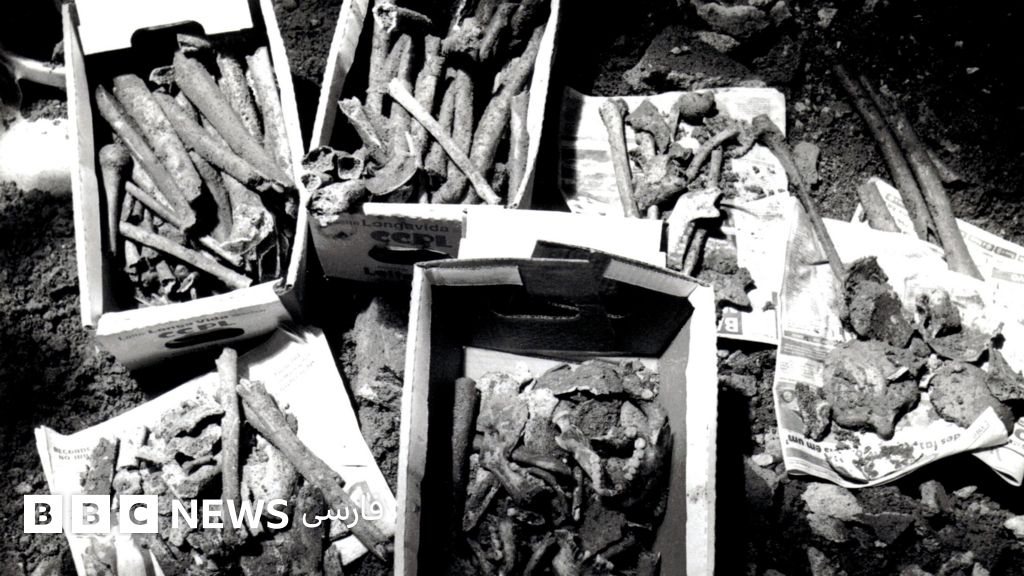
A Brazilian woman discovers a hidden graveyard beneath her home, containing the remains of thousands of African slaves. She works to preserve the site and raise awareness about the country's dark history.
Imagine you're building a new house, and you discover that it's built on top of a graveyard where thousands of people were buried. That's what happened to a woman in Brazil. She worked to preserve the site and raise awareness about the country's dark history.
Analysis
A Hidden History Beneath the Surface
In 1996, Mercedez Gimaraes dos Anjos, a mother of three, began building a new section of her home in Rio de Janeiro. The house, built in 1866, was the first she had ever owned. After six years of saving, the construction was finally underway. However, the work was halted after just a few hours when the workers stumbled upon human remains in the soil. Mercedez was initially skeptical, thinking the bones belonged to animals, but she soon realized that they were human. She began to dig and found a complete hand of a grown person, followed by another set of teeth belonging to a child. The discovery sent shockwaves through the community, and Mercedez soon realized that her home was built on a graveyard.
A Forgotten History
The graveyard, known as 'Pertus Novus,' was used to bury African slaves between 1770 and 1830. It is estimated that over 40,000 people were buried there. The site was known to historians, but its exact location was lost to time. The term 'Pertus Novus' referred to African slaves who were new to Brazil and still learning the Portuguese language. Many of the remains found at the site were of children, including infants and toddlers. The graveyard was not a secret, but its existence was largely ignored by the public until the 1990s.
Preserving the Past
Mercedez was initially hesitant to share her discovery with the public, but she eventually became a vocal advocate for preserving the site. In 2005, she co-founded the Institute of Research and Memorial 'Pertus Novus' with others. The site has since been transformed into a cultural center, with a museum, cafe, and library. The graveyard itself has been preserved, with a glass floor allowing visitors to see the remains. Mercedez's efforts have raised awareness about the dark history of slavery in Brazil and the importance of preserving the site.
A Legacy of Slavery
Brazil was the last country in the Western world to abolish slavery, in 1888. However, the legacy of slavery continues to impact the country today. The discovery of the hidden graveyard has sparked a renewed interest in the country's history and the need for greater awareness and preservation of the site. Mercedez's story serves as a reminder of the importance of preserving our collective history and acknowledging the dark chapters of our past.
Key points
- A Brazilian woman discovers a hidden graveyard beneath her home, containing the remains of thousands of African slaves.
- The graveyard was used to bury African slaves between 1770 and 1830, and it is estimated that over 40,000 people were buried there.
- The site was known to historians, but its exact location was lost to time.
- The woman, Mercedez, co-founded the Institute of Research and Memorial 'Pertus Novus' to preserve the site and raise awareness about the country's dark history.
- The site has been transformed into a cultural center, with a museum, cafe, and library.
The discovery of the hidden graveyard has sparked a renewed interest in Brazil's history, and efforts to preserve the site have raised awareness about the country's dark past. This could lead to a greater understanding and appreciation of the country's complex history.
The legacy of slavery in Brazil continues to impact the country today, and the discovery of the hidden graveyard has highlighted the need for greater awareness and preservation of the site. However, there is a risk that the site may be forgotten or neglected in the future.