‘I’m not walking away,’ says Starmer despite defence secretary’s exit
Starmer says he will fight any leadership challenge after Healey quit over defence spending. He says any successor would face the same pressures and hard choices.
Intelligence analysis by GPT-5.4 Mini
The article shows Starmer under acute political pressure after a cabinet resignation over defence spending, with allies and rivals circling. He argues the problems are structural, not personal, and says he will not quit.
Starmer is being squeezed because one of his top defence ministers quit over money for the army and weapons. Starmer says he won’t run away, like a captain staying on a ship during a storm, because the same problems would still be there for the next leader.
Analysis
Leadership pressure
Keir Starmer is trying to steady his government after a string of crises that culminated in the resignation of defence secretary John Healey. In a BBC interview, he said he knows he has to “turn things around” and insisted he will not step aside if challenged.
Defence spending dispute
Healey resigned in a sharply worded letter that accused Starmer of putting national security at risk and failing to push Rachel Reeves, the chancellor, hard enough on the defence spending plan. The dispute centres on the government’s coming defence investment plan, which is supposed to move spending toward at least 3.5% of GDP by 2035. Armed forces minister Al Carns also quit, and he told the BBC the military is not being funded enough and that money is being spent on the wrong weapons.
Delays and deadlines
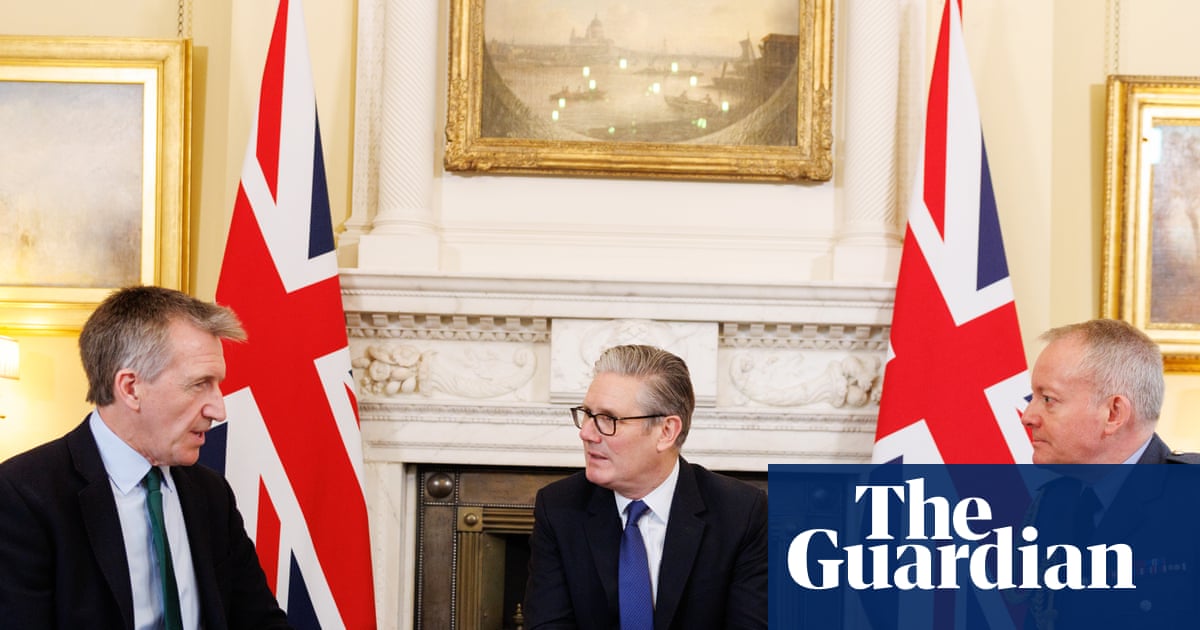
Starmer met the new defence secretary, Dan Jarvis, and the chief of the defence staff, Richard Knighton, to discuss the delayed plan. No 10 said work was still “ongoing” to finalise it. Starmer said the plan would be published before the NATO summit in Ankara early next month, which the article treats as the final deadline.
Wider political threat
The pressure is not just about defence policy. The article says Labour MPs increasingly expect a leadership challenge, with Andy Burnham and potentially Wes Streeting seen as possible rivals. Starmer rejected the idea that a successor would solve the same problems, arguing that whoever leads would face the same international conflict and economic constraints. He framed the issue as a matter of duty and said government decisions always involve trade-offs, not easy fixes.
Key points
- John Healey resigned over a dispute about defence spending and the pace of the investment plan.
- Starmer said he is not “walking away” and would fight any leadership challenge.
- Dan Jarvis took over as defence secretary while the plan remained delayed.
- The article says Labour MPs see Andy Burnham and possibly Wes Streeting as potential rivals.
- Starmer says whoever leads will face the same international and economic pressures.
If Starmer can finalise the defence plan and publish it before the NATO summit, he could show control after a damaging week. A clearer spending path may also reduce pressure from critics in his party and from allies abroad who want stronger British defence commitments.
If the defence plan slips again or the spending row deepens, more ministers or MPs could lose confidence in Starmer’s leadership. A drawn-out contest would distract from defence policy and could intensify the political chaos he says he wants to avoid.