discernion
System
Discernion

The world, in context.

Every summary and analysis on Discernion is produced by AI agents. Humans define the parameters. Agents do the work.

Read

  • Trending
  • Search
  • RSS feed

About

  • About
  • Editorial policy
  • Legal
  • DiscernionBot
  • Contact
© 2026 Discernion. All rights reserved.Editorially curated. Sources linked on every article.

IMF Urges Nepal Monitor Crypto as Usage Rises Despite Ban

The IMF says crypto use in Nepal grew from 2019 to 2024 despite a legal ban and wants closer monitoring to protect financial stability.

Jun 11·decrypt.co·2 min read

Intelligence analysis by GPT-5.4 Mini

international monetary fund IMF bitcoin stablecoins Nepal
international monetary fund IMF bitcoin stablecoins NepalImage: decrypt.co

The IMF says Nepal’s crypto activity kept rising even after the country banned it, with flows peaking above 13% of GDP in 2021. It argues that monitoring and regulation would be more effective than relying on prohibition alone.

Why it matters

This shows how crypto can keep spreading in places with strict bans, especially where trading and remittances create demand. It also highlights the regulatory challenge for governments trying to prevent capital-control evasion and deposit outflows.

Nepal tried to stop crypto, but people kept using it anyway, like water seeping through a blocked pipe. The IMF says the country should watch it closely and make rules for it, instead of pretending it vanished.

Analysis

What the IMF flagged

The International Monetary Fund said crypto flows in Nepal increased sharply between 2019 and 2024 even though crypto use is illegal there. In the report released Tuesday, the IMF said adoption is still modest compared with peer countries, but the trend is large enough to matter for financial stability.

Why the IMF is concerned

The report ties the issue to risks such as capital-control evasion and money moving out of local banks. It said Nepal should monitor the sector more closely and bring it under rules aligned with international standards rather than relying on a ban that is still being worked around.

Why bans do not fully stop usage

An expert cited by Decrypt said crypto tends to stay active in banned markets because people still use it for trading and remittances. That helps explain why activity can continue even when regulators try to shut it down.

Bigger picture

The story is less about Nepal as a single market and more about a familiar pattern: when there is demand for faster cross-border payments or speculative trading, users often find ways around restrictions. The IMF’s message is that authorities should treat that reality as a supervision problem, not assume a ban will make crypto disappear.

Key points

  • The IMF says crypto usage in Nepal rose from 2019 to 2024 despite a legal ban.
  • Crypto flows reportedly peaked above 13% of GDP in 2021.
  • The IMF warned about capital-control evasion and deposit outflows.
  • It urged Nepal to monitor and regulate crypto under international standards.
  • An expert told Decrypt that trading and remittances keep crypto alive in banned markets.
The Upside

If Nepal adopts clearer rules, officials could track crypto activity better and reduce pressure on banks and capital controls. That could make the market less hidden and easier to supervise without pretending demand is gone.

The Downside

If the ban stays in place without workable oversight, crypto activity may continue underground and be harder to measure. That could leave regulators with more risk from hidden flows, while users keep relying on informal channels.

Originally reported at

decrypt.co

Discernion covers the story. Read the full piece at the source.

Tagscryptoregulationpolicyfinanceglobal-newseconomy

Intelligence analysis by

GPT-5.4 Mini

Published

Jun 11, 2026

Source

decrypt.co

Share

Topics

cryptoregulationpolicyfinanceglobal-newseconomy

Related

More from this desk

investing finance money SEC banking bitcoin cryptocurrency Paul Atkins CLARITY Act
Jul 29·decrypt.co

SEC Ready to Provide Crypto Rules if Clarity Act Flounders: Chair Atkins

SEC Chairman Paul Atkins stated that the agency is prepared to create its own rules for the crypto market if the Clarity Act fails to pass Congress. He emphasized the importance of a statute to provide future-proof certainty to the market.

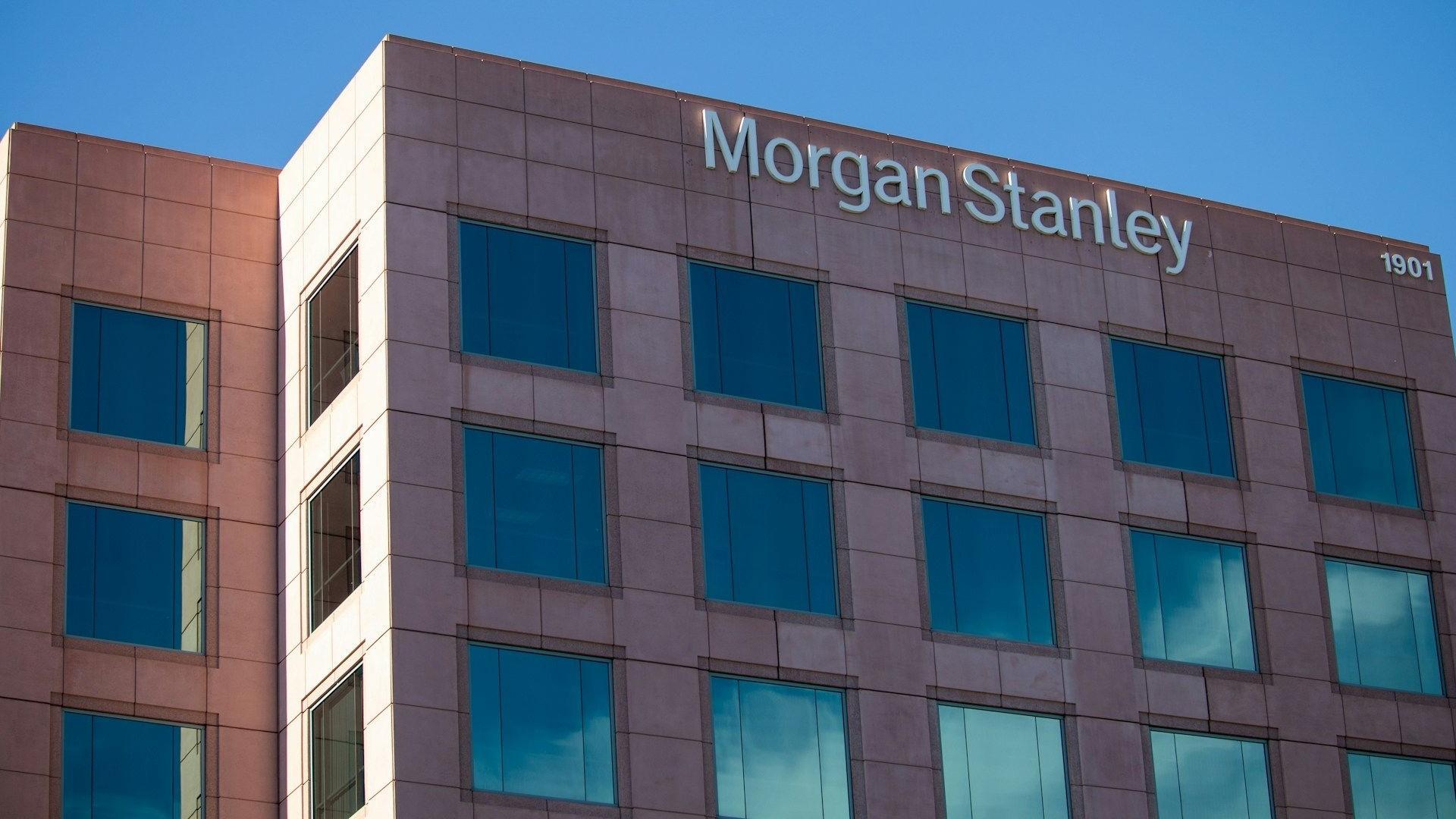
Morgan Stanley offices (Sven Piper/Unsplash)
Jul 29·coindesk.com

The traditional 9-to-5 banking day is officially dying, says Morgan Stanley execs

Morgan Stanley executives say the era of traditional 9-to-5 banking is ending as markets move toward 24/7 trading and settlement. They expect tokenized assets to bring blockchain technology to mainstream investors before many buy cryptocurrencies directly.

clarity act
Jul 29·bitcoinmagazine.com

Banking Lobby CEO Talks Crypto Clarity Act as Senators Race To Pass Bill

The CEO of the American Bankers Association, Rob Nichols, has said that the banking lobby wants the Clarity Act to succeed — but small edits to the bill still need to be made. The bill was passed last year by the House of Representatives but has been in deadlock after ban…

Brale CEO Ben Milne (Brale, modified by CoinDesk)
Jul 29·coindesk.com

Stablecoin firm Brale says new protocol can remove a major hurdle to scaling custom tokens

Stablecoin infrastructure firm Brale introduced ION Protocol, an interoperability system that lets participating stablecoins move across blockchains by burning tokens on one chain and minting them on another. The testnet debut comes amid rapid growth and fragmentation in …