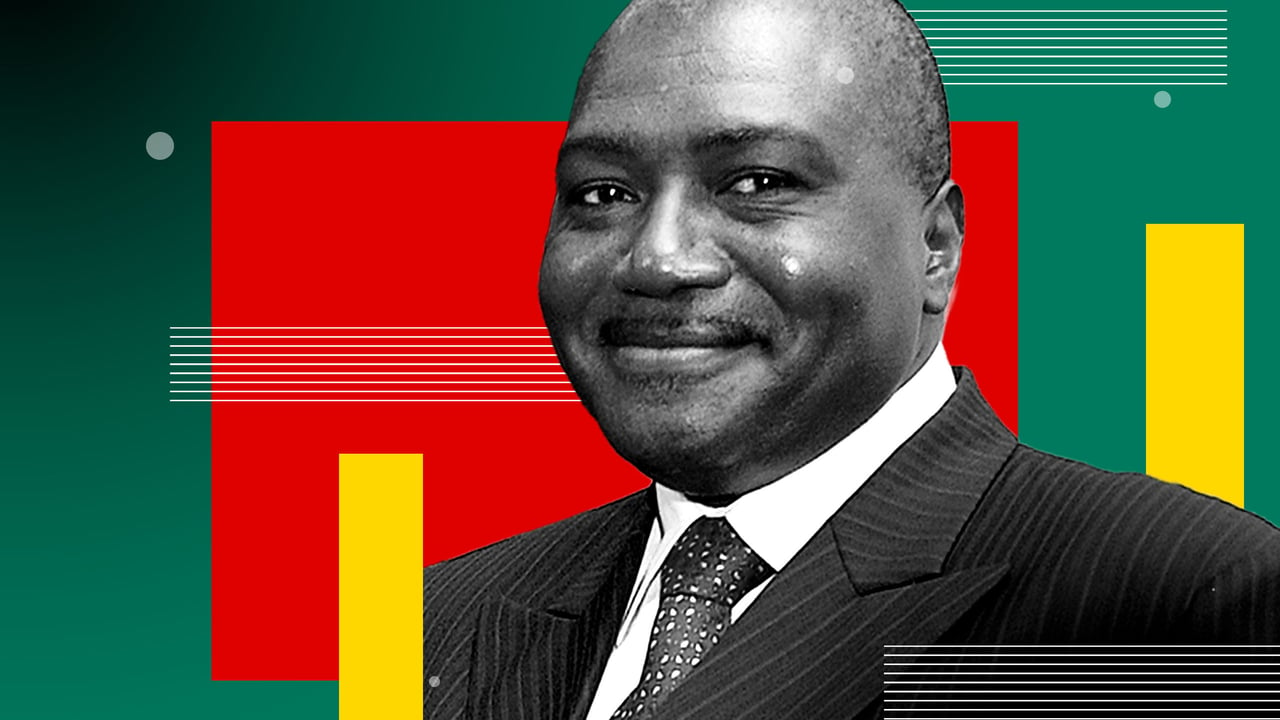
In Cameroon, the prolonged absence of President Paul Biya raises questions
Cameroonian President Paul Biya, 93, has been absent from the country for 44 days on a "short private stay in Europe," sparking rumors about his health and questions about governance. The opposition has called for a declaration of power vacancy, while the ruling party att…
Intelligence analysis by Gemini 2.5 Flash
Cameroon's 93-year-old President Paul Biya's 44-day absence in Europe has fueled speculation about his health and the continuity of state affairs. Opposition figures are pressing for a declaration of power vacancy, highlighting the lack of a vice-president and clear rules for presidential absences, while the ruling party insists power is not vacant.
Imagine your school principal went on a "short trip" but hasn't come back for over a month, and nobody knows exactly where they are or how they're doing. People would start wondering who's in charge and if everything is okay at school. That's kind of what's happening in Cameroon with their 93-year-old President.
Analysis
The Shadow of Presidential Absence
President Paul Biya's extended absence from Cameroon, now stretching 44 days since his departure for a "short private stay in Europe," has cast a significant shadow over the nation's political landscape. At 93 years old, his prolonged disappearance from public view has inevitably fueled a torrent of rumors concerning his health and capacity to govern. This situation is particularly acute given Biya's long tenure, making any uncertainty about his leadership a source of considerable anxiety for citizens and political observers alike. The ruling party, the RDPC, has attempted to quell these fears by asserting that "Power is not vacant. The Lion has not left," and by disseminating messages from the President to foreign counterparts via social media. However, these efforts appear insufficient to fully reassure a populace accustomed to a more visible and present head of state, especially when no other substantive news about his activities or whereabouts is provided.
Constitutional Ambiguity and Succession Concerns
The current political unease is exacerbated by a notable lack of clear constitutional provisions regarding the duration of a president's absence from national territory. While some analysts suggest a 45-day threshold might trigger a declaration of power vacancy, this remains an informal interpretation rather than a codified legal standard. This ambiguity creates a dangerous vacuum, allowing for speculation and political maneuvering rather than providing a clear path for governance continuity. Furthermore, the absence of a designated vice-president since the constitutional revision in April significantly complicates any potential succession scenario. Opposition parties, such as the UDC, have rightly highlighted that the stability of a republic should not depend on silence or suppositions, calling for an institutional framework to manage prolonged presidential absences. This institutional void underscores a critical vulnerability in Cameroon's governance structure, making it susceptible to crises during periods of presidential incapacitation or absence.
Implications for Cameroon's Stability
The ongoing situation carries profound implications for Cameroon's political stability and future. The calls from opposition figures like Jean-Michel Nintcheu for the Constitutional Council to declare a vacancy of power reflect a growing impatience and concern over the effective exercise of presidential responsibilities. Should the absence continue without a clear resolution or a transparent update on President Biya's status, it could lead to heightened political tensions, potential constitutional challenges, and even civil unrest. The lack of a clear succession plan, combined with the advanced age of the president, makes the country particularly vulnerable to a power struggle should a vacancy indeed be declared or become unavoidable. This scenario not only threatens domestic peace but also raises questions about Cameroon's international standing and its ability to maintain effective governance in the long term, underscoring the urgent need for institutional reforms to ensure a smooth and legitimate transition of power.
Key points
- President Paul Biya, 93, has been absent from Cameroon for 44 days on a "private stay in Europe."
- His prolonged absence has sparked rumors about his health and raised questions about governance.
- Opposition parties have called for the Constitutional Council to declare a vacancy of power.
- The ruling party insists power is not vacant and publishes messages from the President to other heads of state.
- Cameroon lacks clear constitutional provisions for the duration of a president's absence or a designated vice-president.
The ruling party's reassurances, coupled with the President's continued communication (even if via social media), could indicate that state affairs are still being managed, potentially preventing immediate political instability. A swift, healthy return of President Biya would quell rumors and reinforce the existing power structure.
The prolonged absence, coupled with the lack of a vice-president and clear constitutional provisions for such situations, could escalate political tensions, fuel further rumors, and potentially lead to a constitutional crisis or power struggle, undermining Cameroon's stability.