In China, the Middle-Class Home Aesthetic Is for Hire
China’s home-organizing boom turns tidying into a paid aesthetic service, with middle-class women shaping and selling the look of order.
Intelligence analysis by GPT-5.4 Mini
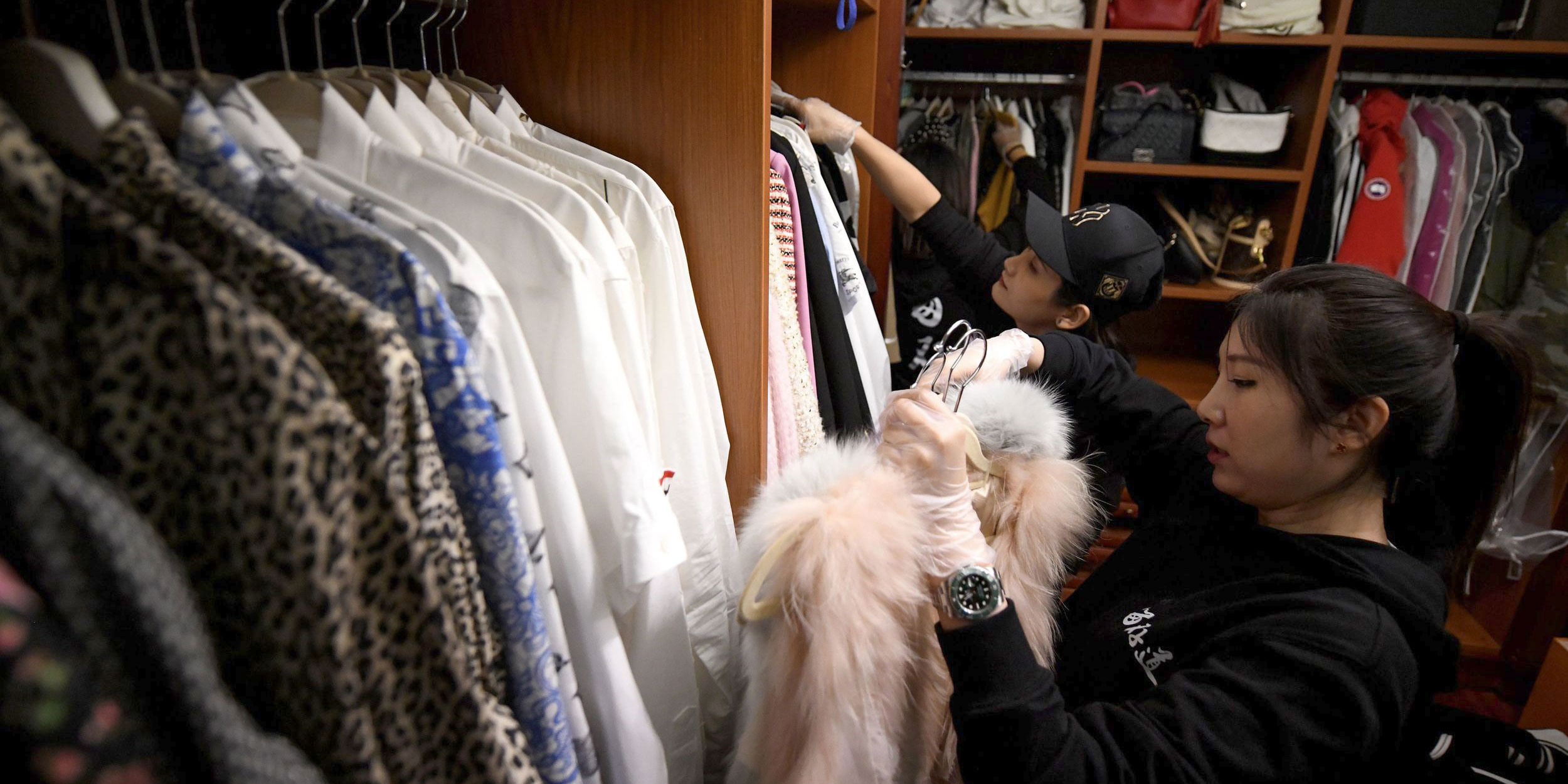
A fast-growing home-organizing industry in China is selling more than cleanliness: it is packaging middle-class taste into a service. The work is flexible, often part-time, and built around standardized aesthetics that promise homes that are both practical and visually polished.
This story is about people in China who get paid to make homes look neat and stylish, like arranging toys and books so a room feels like a magazine picture. It is a bit like hiring someone to turn a messy backpack into a perfectly packed one, but for an entire house.
Analysis
A new kind of home service
Sixth Tone reports that home organizing has become a rapidly expanding occupation in China. Between 2020 and 2023, the number of companies in the field rose sharply, and the government added “organizer” to its official list of occupations in 2022. The service is positioned differently from ordinary cleaning: it is sold as an aesthetic upgrade, not just a way to remove dirt.
Who does the work
The article is based on a 14-month field study at Pretty, a Shanghai organizing company founded in 2015 and said to employ about 500 organizers across Chinese cities. At the Shanghai branch, nearly all of the organizers and trainers studied were women, and most came from comfortable middle-class households themselves. Many had university degrees, spouses in professional jobs, and family incomes well above average.
How the aesthetic gets standardized
Pretty trains workers to follow company templates for home style. These include Japanese, industrial, artistic, and minimalist Scandinavian looks. The company’s process combines practical rules, like exact measurements for storage and reach, with visual rules about colors, folding methods, labels, plants, and decor. The company says these templates were built from research into hundreds of middle-class homes and are meant to balance usefulness with appearance.
Work, meaning, and limits
For organizers like Ruolan, the job offers flexible hours, some extra income, and a way to turn a personal habit into paid work. But the article also notes the limits: customer demand changes, the work is often part-time, and average monthly pay is modest. The broader picture is a service industry that turns domestic order into a marketable class aesthetic, while giving some women a way to monetize their taste and household experience.
Key points
- Home organizing in China is growing fast and is now an official occupation.
- The service sells aesthetics and lifestyle branding, not just cleanliness.
- Pretty’s organizers are mostly middle-class women with professional family backgrounds.
- The company uses standardized templates for different home styles and storage rules.
- The job offers flexibility and self-worth, but the pay is modest and demand is unstable.
If the trend continues, it could create more flexible work for women who want income without a full-time schedule. It could also help families make homes that are easier to use and more pleasant to live in.
The article shows that the work can pay less than cleaners in the same neighborhood and depends on changing customer demand. It may also deepen pressure to treat ordinary home life as a status display that must be professionally curated.