In first, California city overwhelmingly votes to permanently ban datacenters
Monterey Park voters are set to become the first in the U.S. to permanently ban datacenters by ballot measure. Early counts showed an 86.3% vote for the ban.
Intelligence analysis by GPT-5.4 Mini
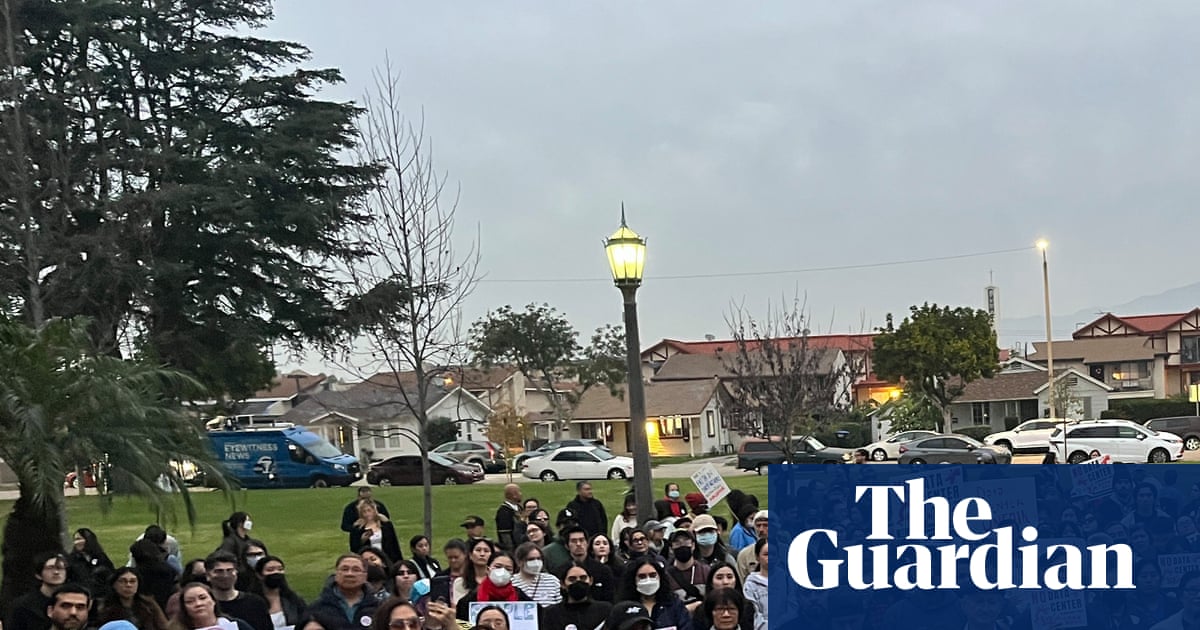
Monterey Park’s vote turns local backlash against a proposed datacenter into a precedent-setting public decision. Residents backed a citywide ban, while industry groups warned the move could deter investment, jobs and tax revenue.
Monterey Park voted on whether a giant computer warehouse should be allowed in town, and most people said no. It is like neighbors voting to keep a noisy, power-hungry factory out of their block.
Analysis
What happened
Residents in Monterey Park, California, voted on a ballot measure to permanently ban datacenters citywide. With more than 7,000 votes counted early on Tuesday night, 86.3% were in favor, making the result look like a decisive rejection of the industry’s local expansion.
Why the vote matters
The city had already passed an indefinite moratorium in April after pressure mounted around a proposed facility from HMC StratCap. According to the article, that project would have covered nearly 250,000 square feet before developers withdrew the application. The ballot measure was meant to make the restriction harder to undo and more defensible in court.
Residents and organizers argued that datacenters could hurt air quality, strain drinking water, raise utility costs and sit too close to homes. Local campaigners also said they moved quickly, with only about two months to organize flyers and mailers in English, Chinese and Spanish.
A broader test case
Other communities have pushed back against datacenters too, but mostly through temporary moratoriums or indirect limits. The article points to Port Washington, Wisconsin, Augusta Township in Michigan and Janesville, Wisconsin as places where voters or local officials have considered similar limits. Even so, Monterey Park appears to be the clearest example of a citywide ballot-backed ban.
Industry groups see the vote very differently. The Data Center Coalition argues that blocking projects sends a signal that the area is closed to business and could push jobs and investment elsewhere. That tension is the core of the story: a clash between local control and the economic case for more digital infrastructure.
Key points
- Monterey Park became the first U.S. city to vote on a permanent datacenter ban through a ballot measure.
- Early results showed 86.3% support, far above the 51% needed for passage.
- Residents cited air quality, drinking water, utility prices and proximity to homes.
- The city had already approved an indefinite moratorium after pressure over a proposed project from HMC StratCap.
- Industry opponents said the ban could discourage investment, jobs and tax revenue.
If the ban stands, residents will have a clearer, stronger tool to block projects they believe threaten air, water and neighborhood life. Other communities may also use the Monterey Park vote as a template for deciding how to handle datacenter proposals publicly.
The ban could steer datacenter projects, jobs and tax revenue to nearby cities or other states instead. Industry groups may keep arguing that the measure makes the area look closed to investment and could limit future development opportunities.